Last updated November 17, 2026


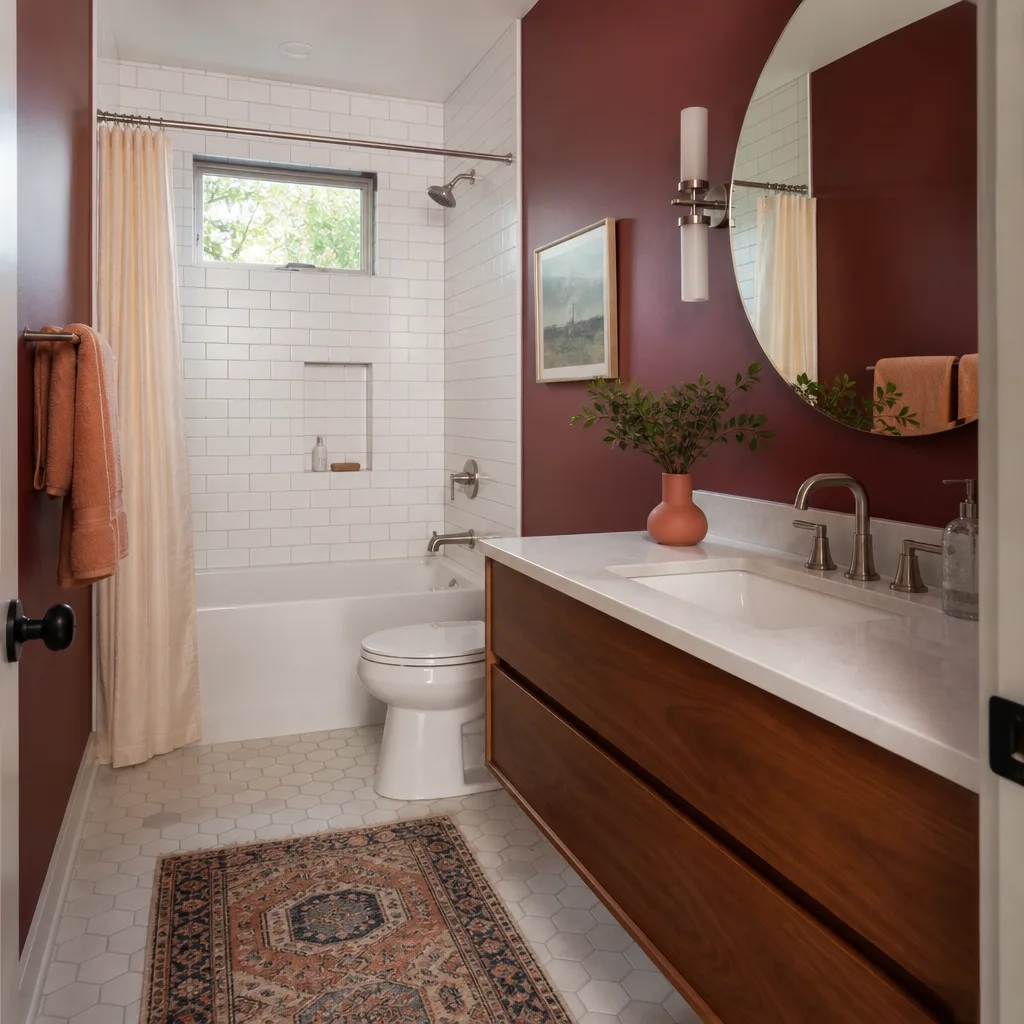


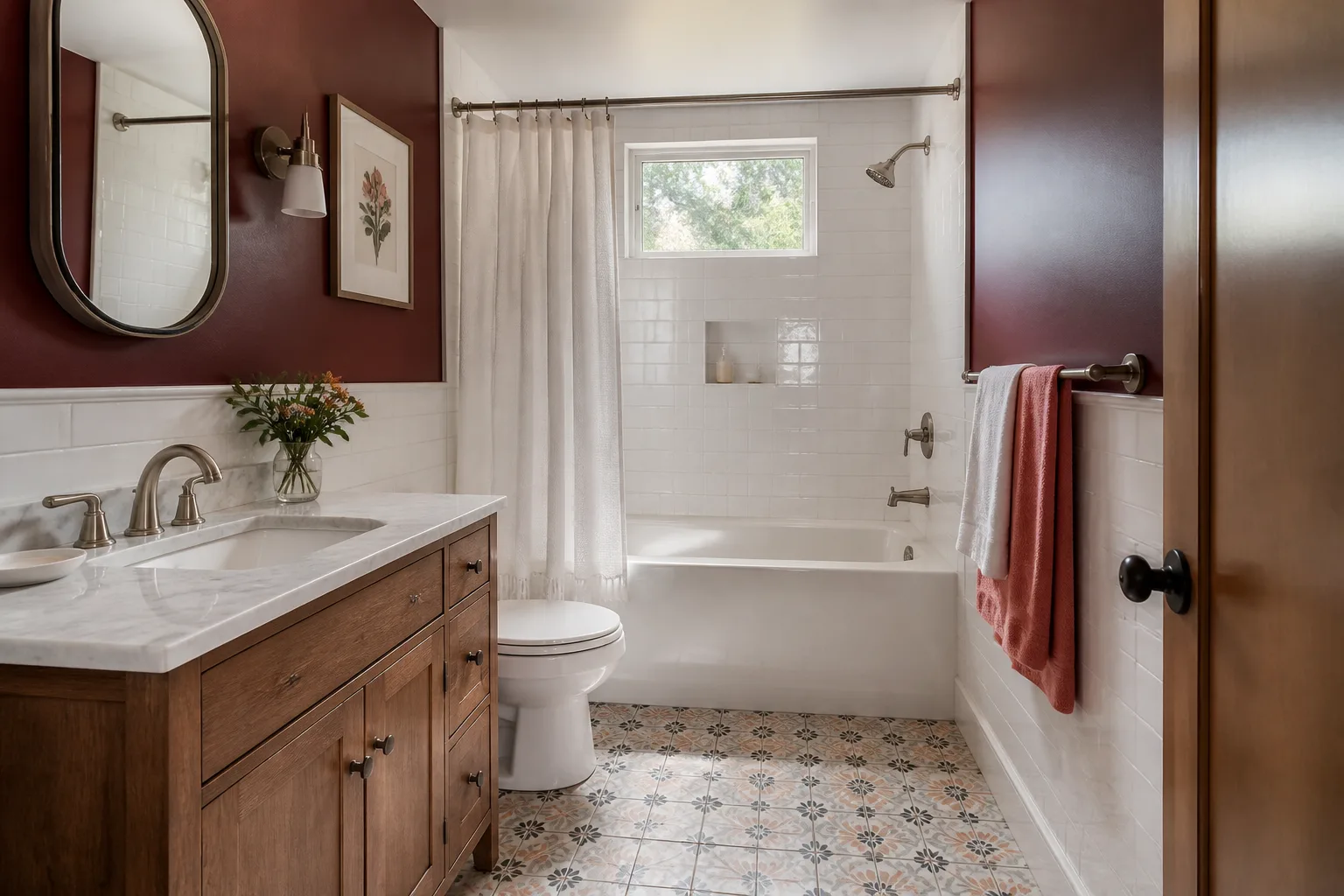
Free written scope consultation - allowances, timeline, and change-order rules on paper before a single trade is scheduled
The Complete General Contractor Guide for Irving Homeowners
Irving issued more than 4,000 residential building permits last year, and a good number of those projects started with nothing but a handshake and a verbal number. That’s the part nobody warns you about. The permit gets pulled, the demo starts, and only then does the homeowner discover what the “ballpark” actually covers. This guide is about what happens before the first nail goes in. You’ll learn how Irving’s Building Inspection Division reviews your contractor’s work, how Texas law separates a licensed GC from a registered contractor from a handyman, what a written contract must contain, and which Irving-specific conditions quietly drive your project cost up or down.
Quick Answer
A general contractor in Irving is a licensed professional who pulls your permits, coordinates every trade, and carries the legal responsibility for the finished project. The single most important step in hiring one is insisting on a written, line-item price before any work starts, plus proof they’re licensed with the Texas Department of Licensing and Regulation. Verbal estimates, missing contracts, and vague “allowances” are where most Irving projects go sideways.
Styles & brands we work with
- Kitchen remodeling
- Bathroom remodeling
- Home additions & ADU
- Roofing
- Windows & doors
- Driveway & pavers
- Fence
Table of Contents
- What Irving’s Building Inspection Division Requires From Your GC
- Licensed GC vs. Registered Contractor vs. Handyman in Texas
- How to Vet a General Contractor in Irving: A Step-by-Step Process
- What a Written Contract Must Contain
- Why Allowances Balloon a Budget and How to Spot Them
- Irving-Specific Factors That Affect Project Cost
- Red Flags to Watch For
What Irving’s Building Inspection Division Requires From Your GC
Every structural change, addition, electrical rough-in, plumbing move, and mechanical install in Irving needs a permit, and the permit is pulled by your contractor, not you. The City of Irving’s Building Inspection Division reviews plans, issues the permit, and sends inspectors out at defined stages: foundation, framing, rough-in, insulation, and final. Work that fails inspection gets flagged in the city’s system, and that record is public. So is the track record of the contractor attached to it.
Here’s what most homeowners don’t realize: you can look at that record yourself before you sign anything. Pull the contractor’s name and license number through the Texas Department of Licensing and Regulation’s online search, then ask Irving’s Building Inspection Division whether the contractor has open permits or failed inspections on file. It takes ten minutes.
What your GC is legally responsible for
- Pulling the permit under their license, not yours
- Posting the permit at the job site in plain view
- Scheduling inspections at every required stage
- Correcting failed inspections at their own cost
- Getting the final sign-off before you make the last payment
One detail worth flagging: never let a contractor ask you to pull an “owner-builder” permit to save time. That permit transfers all the liability of the work onto you. If a project is too complicated to permit under the contractor’s own license, that’s the answer you needed.
Licensed GC vs. Registered Contractor vs. Handyman in Texas
Texas does not issue a general “general contractor” license. What it does issue is trade-specific licenses through TDLR, which covers electrical, plumbing, HVAC, and appliance work. A “registered contractor” in Texas is typically a specialty trade that has registered specific qualifications with the state. A handyman, as a category, has no state license at all, and the value of any handyman’s work caps out at the Texas Property Code threshold for what counts as a “home improvement” versus a “construction project.”
What that means practically for your Irving project:
- Cosmetic repairs under the threshold – patching drywall, painting, regrouting a shower – can legally be done by a handyman.
- Any work requiring a permit – moving a wall, adding a bathroom, replacing a water heater, rewiring – requires a licensed specialty trade and a permitting GC.
- Anything over a certain dollar value – a full kitchen or bathroom remodel – is a “home improvement” contract under Texas law, which means it must be in writing if it exceeds $5,000, and the homeowner has a three-day right of cancellation.
The practical test: if your project needs a permit, you need a GC who can legally pull it. The General Contractor in Irving we place on your job is licensed, insured, and licensed to pull Irving permits under their own name.
How to Vet a General Contractor in Irving: A Step-by-Step Process
This is the part most homeowners rush. Don’t. Here’s the sequence that protects you, in order:
- Verify the license first. Search the contractor’s name and license number on TDLR’s website. Confirm the license is active, not expired or suspended.
- Check Irving’s permit history. Call the Building Inspection Division and ask for open permits and failed inspections on file for that contractor.
- Ask for a certificate of insurance directly from the carrier. Not a photocopy the contractor sends you – call the insurance company and confirm the policy is active and covers residential construction.
- Request three references from projects finished in the past 18 months. Old references tell you nothing. Recent ones tell you whether the contractor’s current crews are on their game.
- Get three written bids on the same scope. Ask each contractor to bid the same work so you’re comparing apples to apples. A bid without a scope document isn’t a bid – it’s a guess.
- Read the contract before you sign. Not the summary page. The full contract. We’ll cover what it must contain in the next section.
- Authorize a small deposit, never a large one. A deposit over 10 to 15 percent of the contract value is a warning sign in any market.
We’ve watched homeowners in Irving skip steps three and four because they were under a deadline. Those are precisely the steps that turn into a five-figure problem when the contractor disappears with a deposit or the work fails inspection.
What a Written Contract Must Contain
Under Texas law, any home improvement contract over $5,000 must be in writing. But the legal minimum is not the same as a contract that actually protects you. A contract worth signing in Irving includes every one of these elements:
- A written, line-item price. Not a range. Not an estimate “subject to change.” A written number broken out by labor and materials.
- A defined scope of work. Exactly what’s included, and explicitly what isn’t. Demo, permit fees, haul-away, painting, trim, final cleaning.
- Named product specifications. Not “customer choice of cabinets” – a specific cabinet line, door style, and finish. In our experience, the contractors who source through recognized brands like KraftMaid, Wellborn, Cambria, and Moen can name products in writing because they’ve already committed to a supply chain.
- A payment schedule tied to milestones. Payments released at the completion of defined stages, including a final payment held back until the city’s final inspection passes.
- Explicit allowance caps. Every allowance must carry a dollar amount and a clear statement of what happens if the actual product exceeds that amount.
- Guarantee and warranty terms in writing. What’s covered, for how long, what voids it, and exactly what happens when a claim is filed.
- A three-day right of cancellation notice, required by Texas law for home improvement contracts.
The Penhallow Remodeling Irving home page spells out the guarantee in plain language: a written price before any work starts, a real arrival window we commit to, a clean job site, and a written guarantee on every project. That guarantee is called the 365-Day Done Right Promise. If the work fails within that year, we come back and fix it at no charge.
Why Allowances Balloon a Budget and How to Spot Them
An allowance is a placeholder dollar amount in a contract for a material that hasn’t been selected yet. In principle, allowances protect the homeowner: if you can’t decide on tile before signing, the contractor budgets a reasonable number, and you settle the actual product later. In practice, allowances are the single most common reason a verbal estimate balloons into an overrun.
Here’s how the trap works. A contractor bids a bathroom remodel at $24,000 with a $1,500 tile allowance. Sound reasonable? Now go look at what $1,500 in tile actually buys you in Irving at a quality showroom. It buys standard porcelain 12x24s at around $4 to $6 per square foot. If you want marble-look porcelain or a large-format tile, that’s $9 to $14 per square foot, and your $1,500 allowance is now a $3,200 line item. Same for plumbing fixtures, cabinetry, and lighting. The bid looked like $24,000. The final invoice is $29,000.
How to spot the problem before you sign
- Every allowance has a stated dollar amount – not “allowance TBD” or “TBD with customer”
- Every allowance lists the specific products it’s meant to cover, with real brand and price points
- The contract states explicitly what happens when you exceed an allowance – markup percentage, change order process, everything
- No “miscellaneous” or “contingency” line items without a stated dollar figure
The fix is simpler than the problem: get the materials specified in writing before the contract is signed, not after. A real written price doesn’t leave $4,000 of tile selections to “be determined later.”
Irving-Specific Factors That Affect Project Cost
Irving sits in the Blackland Prairie on a thick layer of expansive clay. That single fact drives more construction cost in this city than any other. Clay soil swells when wet and shrinks when dry, shifting foundations seasonally. In older neighborhoods like the Heritage District, you’ll find post-war slab construction where the original footing depth assumed a stable subgrade. When a hundred feet of plumbing needs to move during a bathroom remodel, the contractor may need to cut into that slab, and the soil conditions around it affect how the trench is dug and backfilled.
Three other factors come up on nearly every project we see:
- Heritage District slab construction. Homes built between the 1940s and 1960s often have original cast-iron drain lines and galvanized supply lines that fail once they’re disturbed. A bathroom remodel in the Heritage District routinely runs $2,000 to $5,000 above a comparable project in newer construction because of underground plumbing replacement alone.
- Valley Ranch HOA approval timelines. Exterior changes – roof replacement, siding, window replacement, additions – generally need HOA architectural committee approval, and the approval window is typically 30 to 60 days. Build that into your project schedule or you’ll be sitting with a crew that’s ready to work and a permit that isn’t issued yet. James Hardie siding and Therma-Tru exterior doors are frequent Valley Ranch selections because they clear most HOA palettes without a fight.
- Clay soil drainage work. Any project that adds square footage requires attention to site drainage, because roof runoff concentrating on expansive clay is a fast route to foundation movement. That’s often a $3,000 to $8,000 line item for French drains or grading work that a verbal bid will simply omit.
A typical Irving kitchen remodel runs $22,000 to $65,000 depending on cabinet line and countertop material; a bathroom remodel runs $12,000 to $38,000; and a whole-home remodel runs $85,000 to $220,000 depending on square footage and how much of the home is being opened up. Those ranges are real, and any contractor who won’t give you a number in writing before you sign is asking you to trust something they haven’t committed to.
One more note on the trades involved: Irving has a strong specialty contractor market, but the GC coordinating them is responsible for every one of them. If your GC can’t name the electrician, plumber, and tile setter they’re using before the contract is signed, ask why. The Bathroom Remodeling in Irving guide covers how a bathroom remodel sequences its trades step by step, and the Kitchen Remodeling in Irving guide does the same for kitchens.
Red Flags to Watch For
None of these are subtle, but they’re easy to miss when you’re excited about the project and the contractor is charming. Read through them before your next estimate call.
- A verbal estimate, no written bid. If the number only exists in conversation, it changes whenever the contractor wants.
- No license number on the bid or vehicle. Texas requires specialty trade licenses, and a GC operating legitimately puts their license number on their materials.
- “We’ll handle the permit later.” No. The permit gets pulled before demo, not after.
- Large deposit demand. A 30 to 50 percent deposit up front is a sign the contractor is using your money to fund their existing jobs.
- Warranty that exists only verbally. “We guarantee our work” means nothing if it’s not written into the contract with a specified term and a stated remedy.
- No physical address or verifiable local presence. Published address, published phone, verifiable reviews – a contractor serving Irving should have all three.
- Allowance line items without dollar amounts. “Tile allowance: TBD” is a blank check you signed.
Common Mistakes to Avoid
- Comparing bids without comparing scope. A $19,000 kitchen bid and a $32,000 kitchen bid rarely describe the same work. If one doesn’t include cabinets, countertops, or permit fees, you’re comparing a partial bid to a complete one.
- Signing before the permit is issued. In Irving, a signed contract plus demo starting before the permit posts is your liability, not the contractor’s. Wait for the permit.
- Ignoring the HOA approval timeline. In Valley Ranch, exterior projects lose 4 to 8 weeks every year because homeowners assume “we’ll get approval as we go.” You won’t. Get approval first.
- Paying for “estimates” that turn into sales calls. A real estimate is free and doesn’t pressure you to sign that day. Walk away from any contractor who won’t leave a written number with you overnight.
- Treating the warranty as an afterthought. A verbal warranty is worth exactly nothing. The written guarantee with a stated term and stated remedy is the only one that matters when something fails.
- Skipping the three-reference check. Recent references, not decade-old ones. Ask for projects completed in the past 18 months, and don’t be shy about asking what went wrong on those jobs.
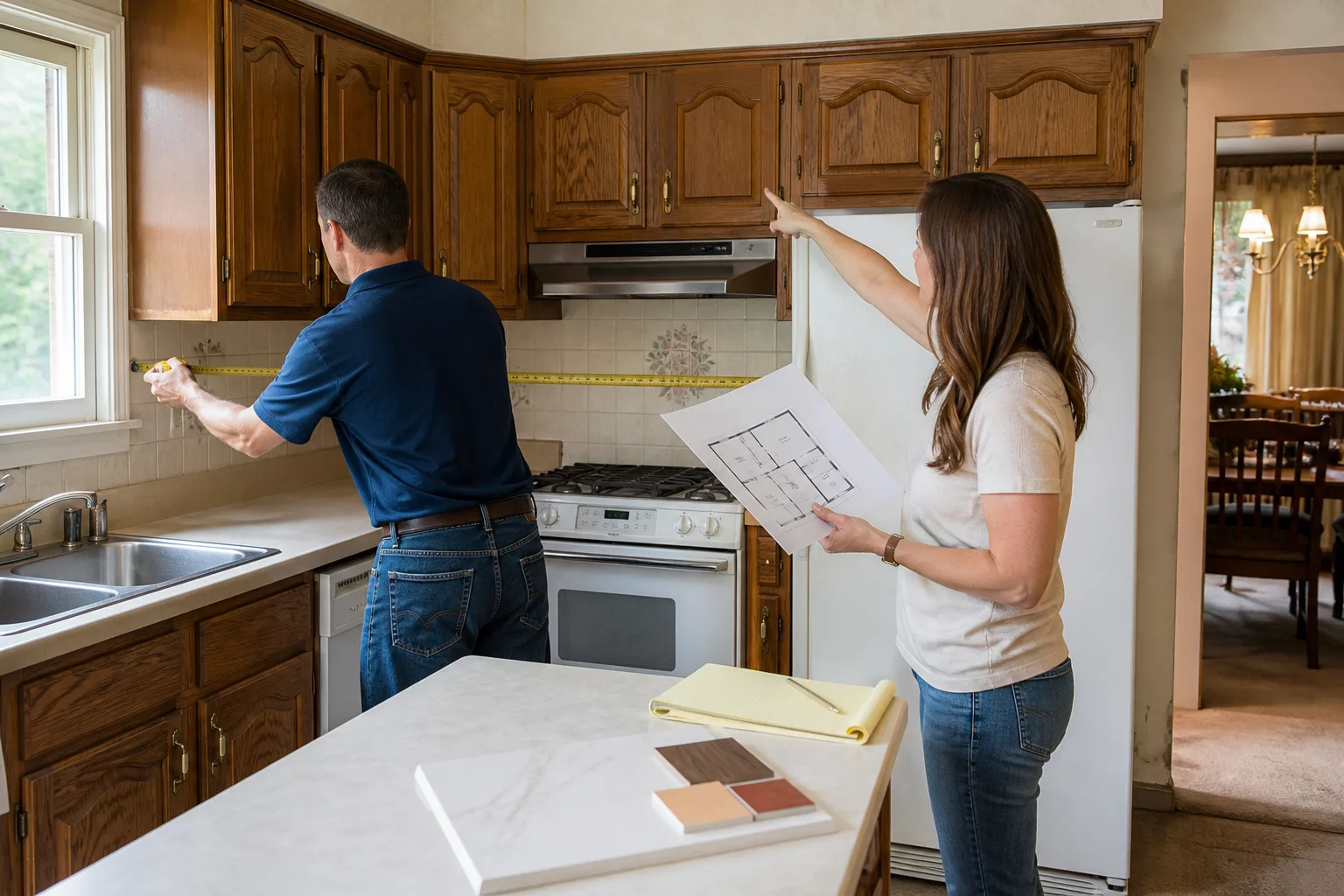
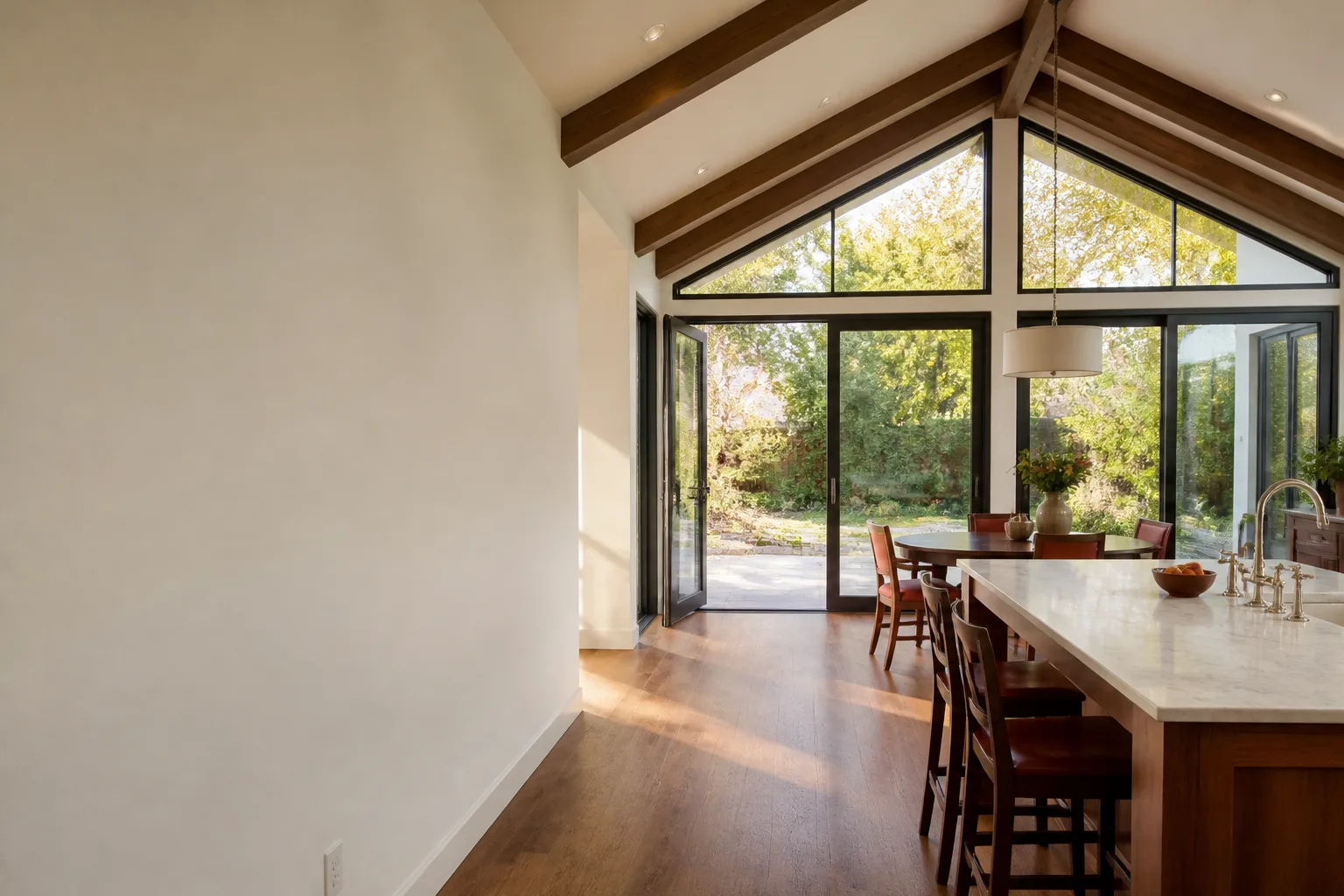
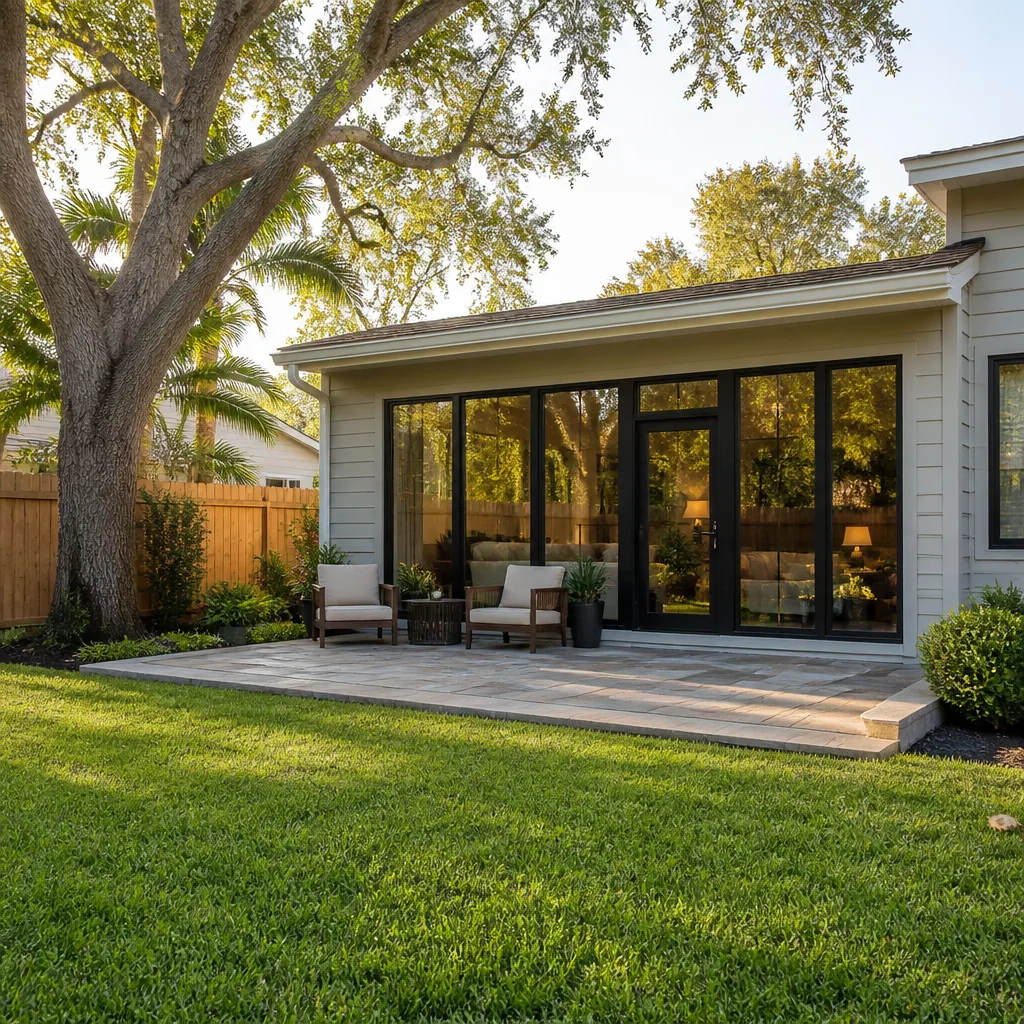
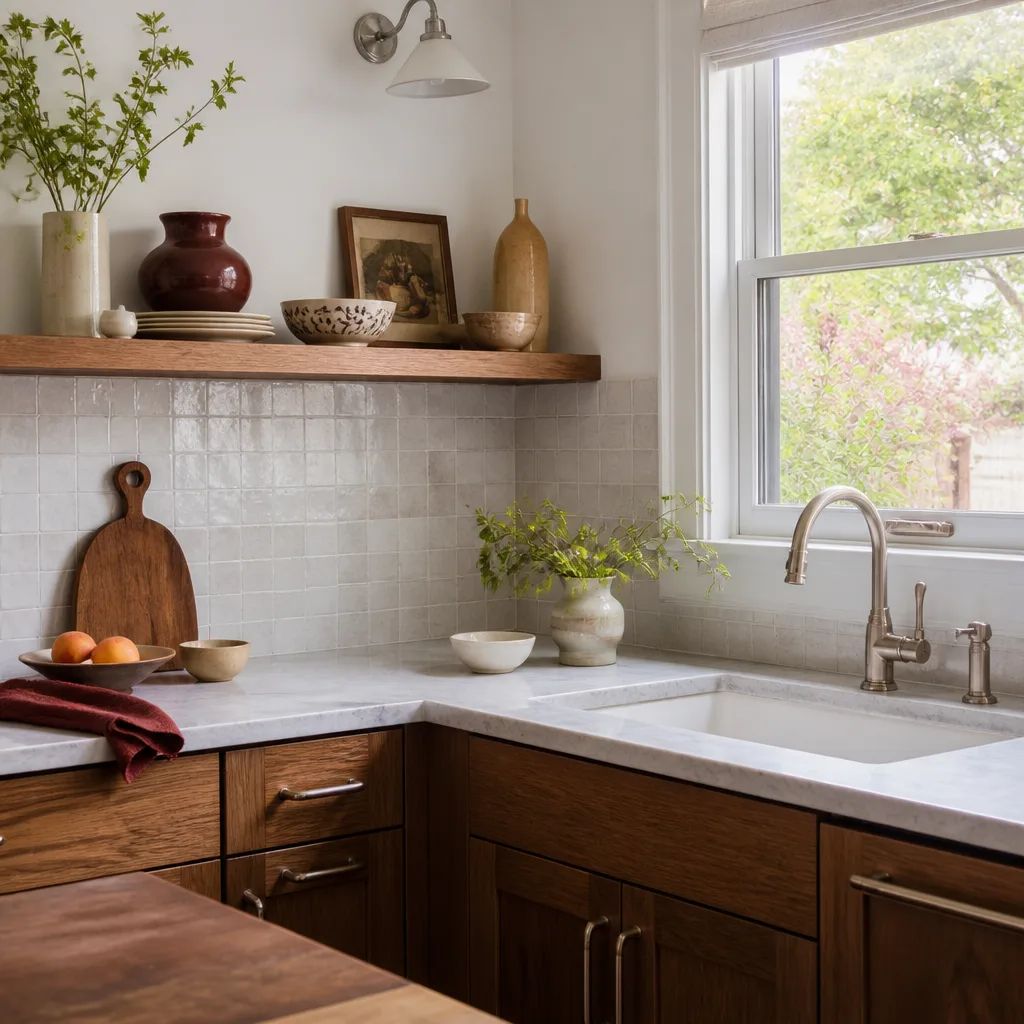
See the difference
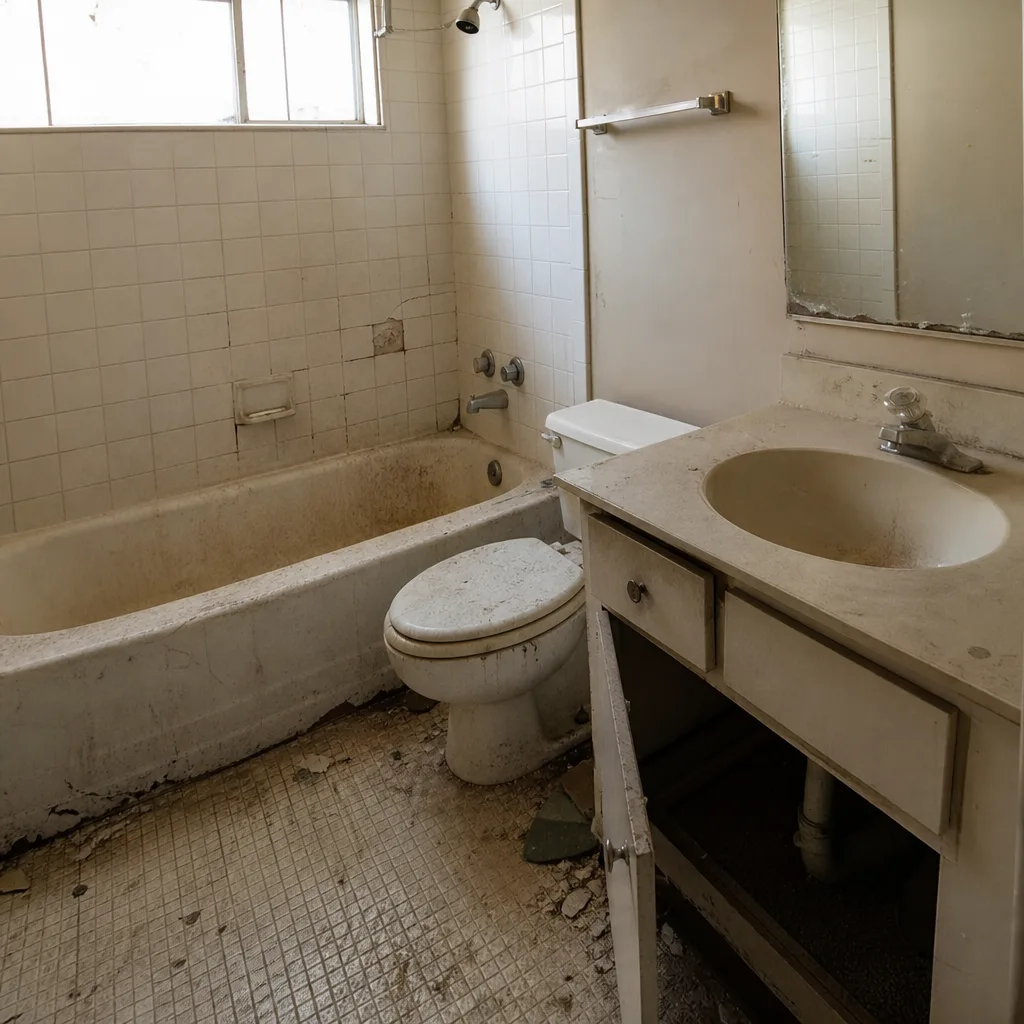 Before
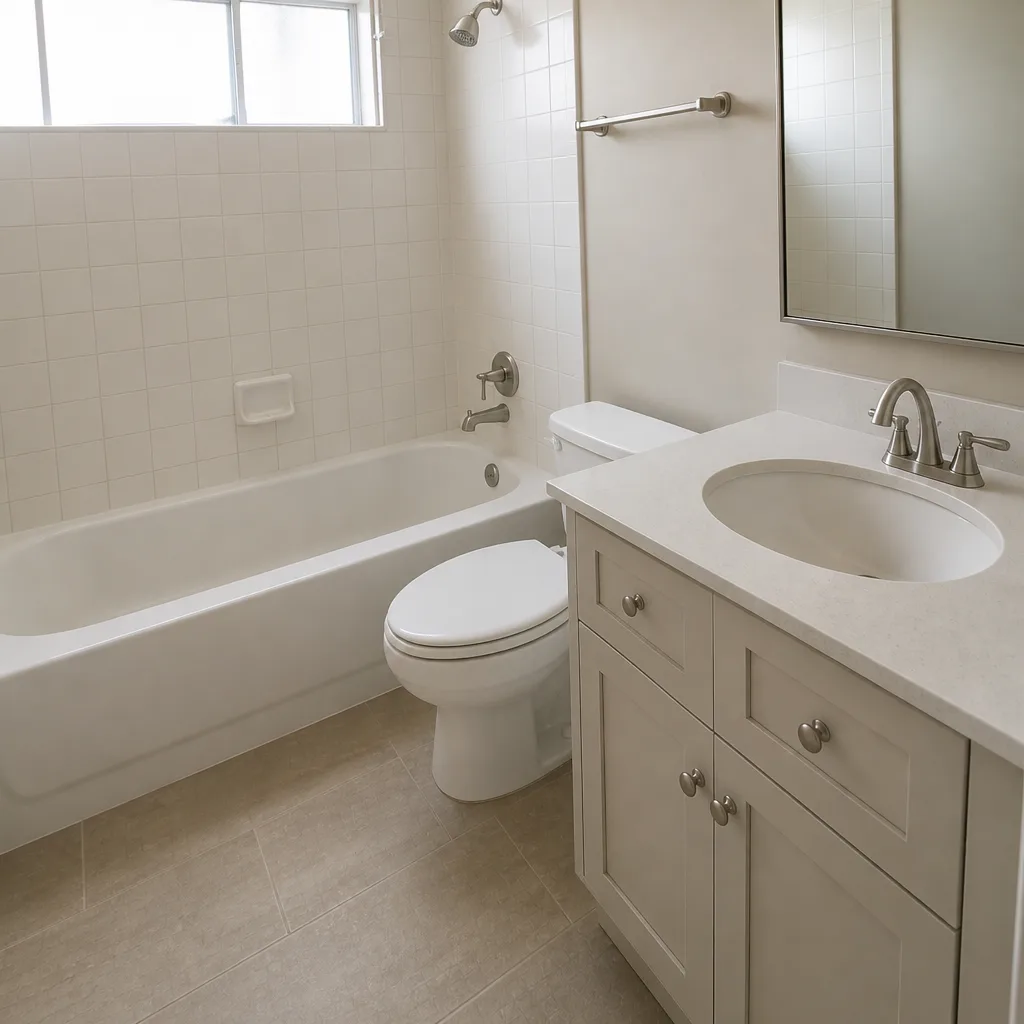 After
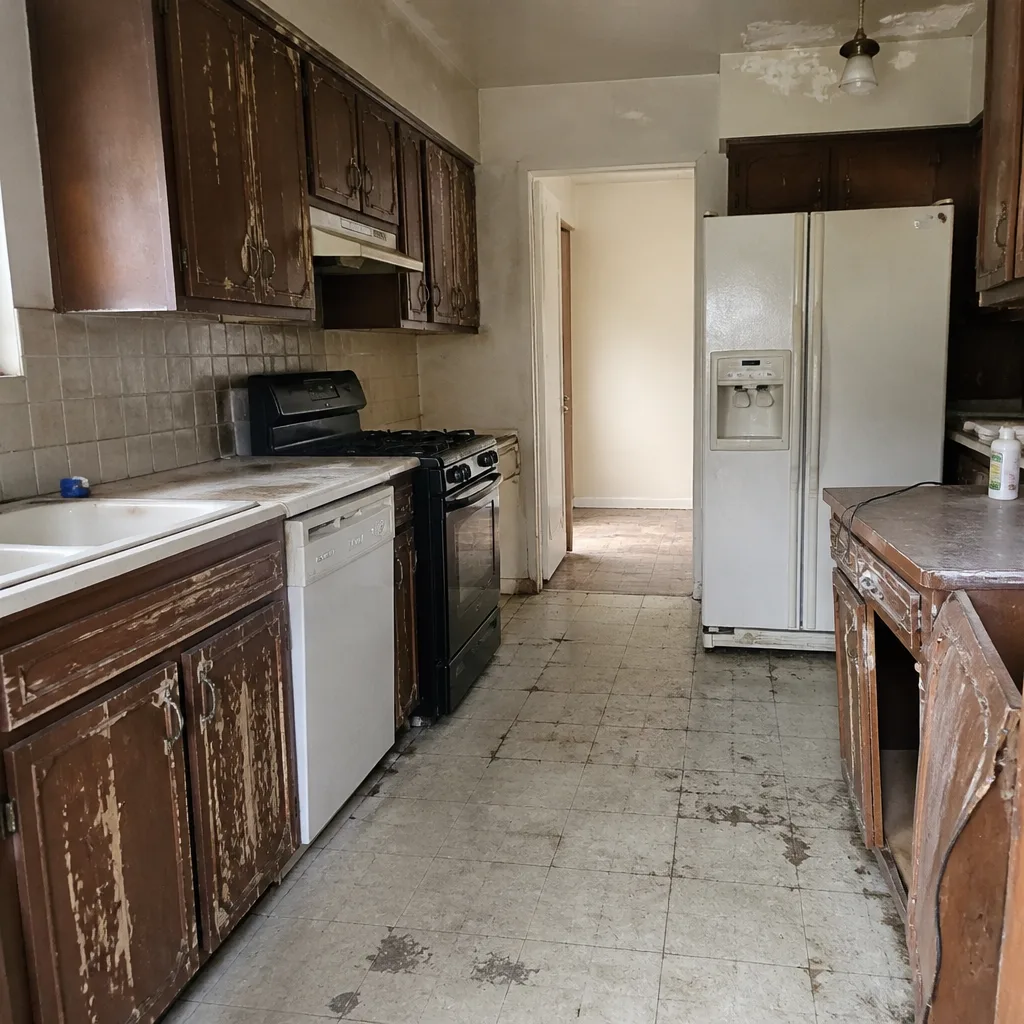 Before
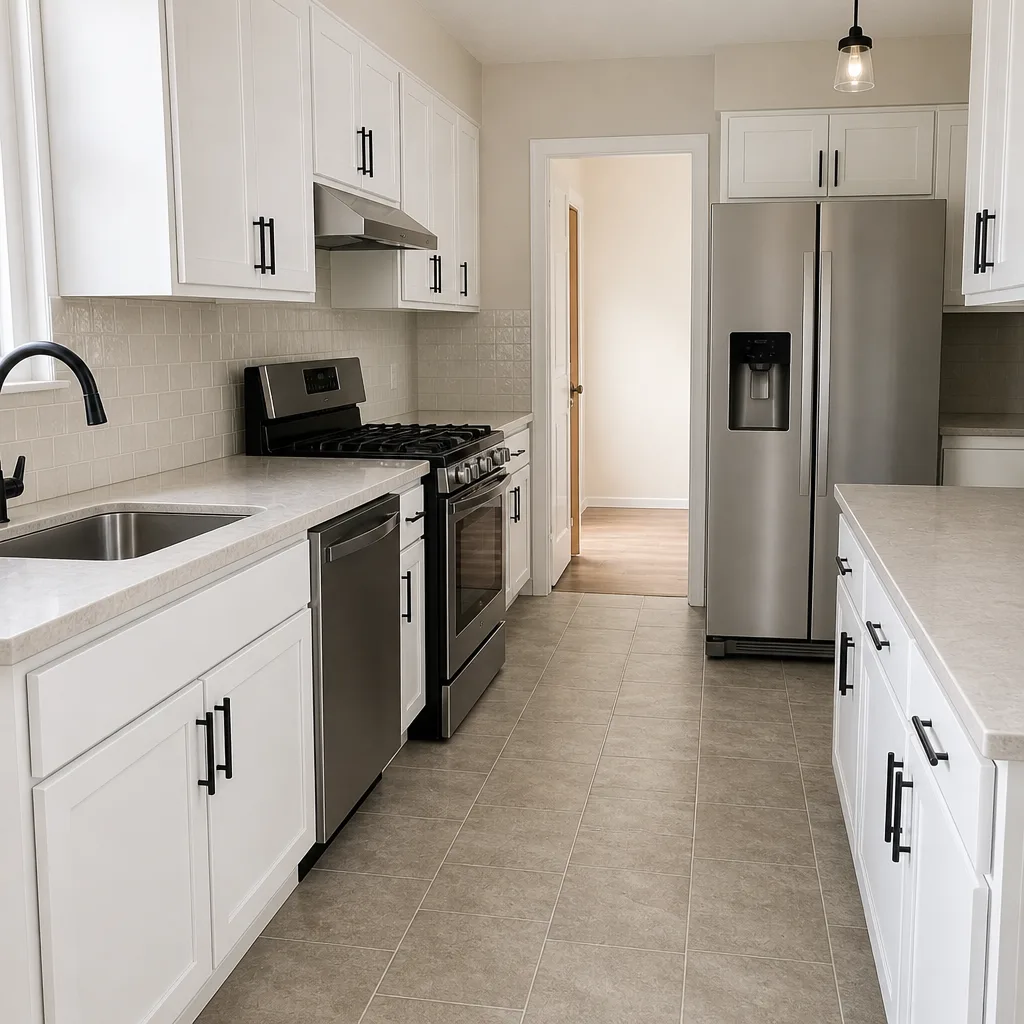 After
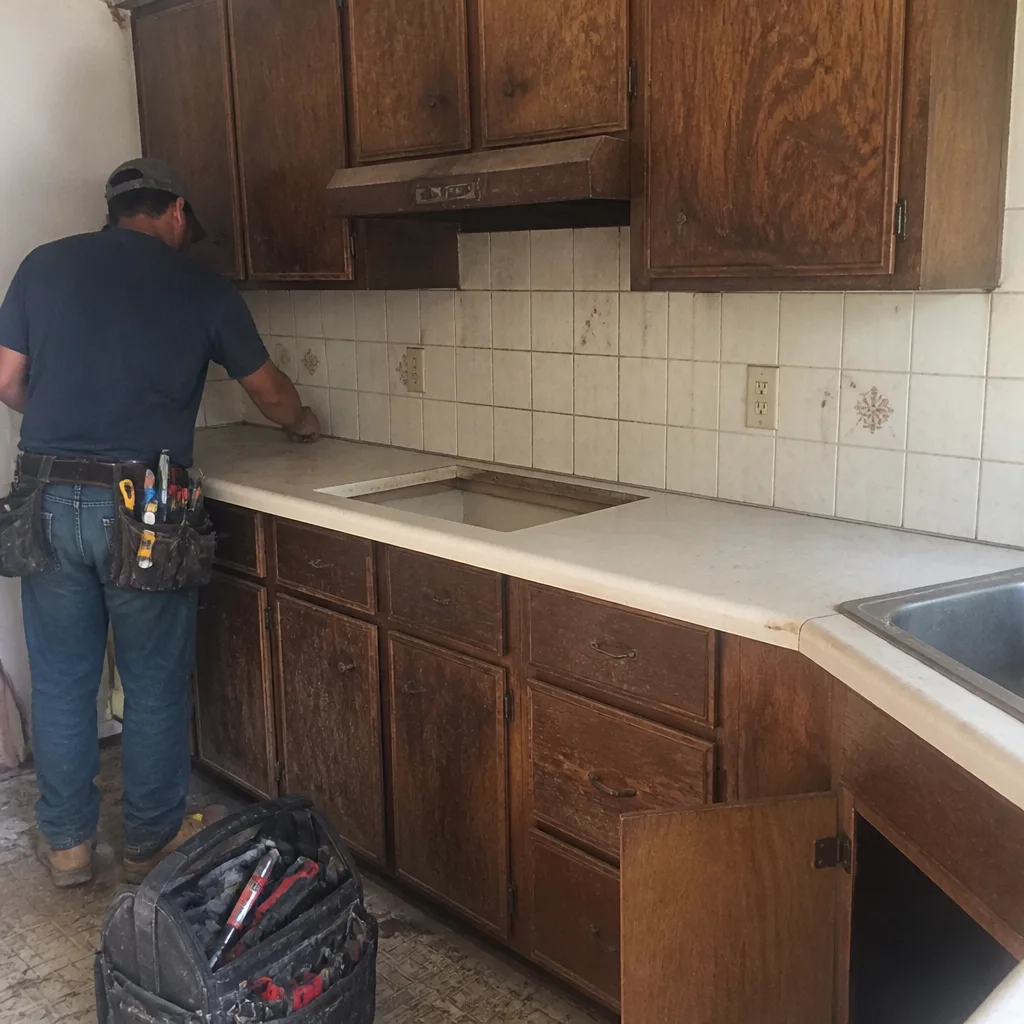 Before
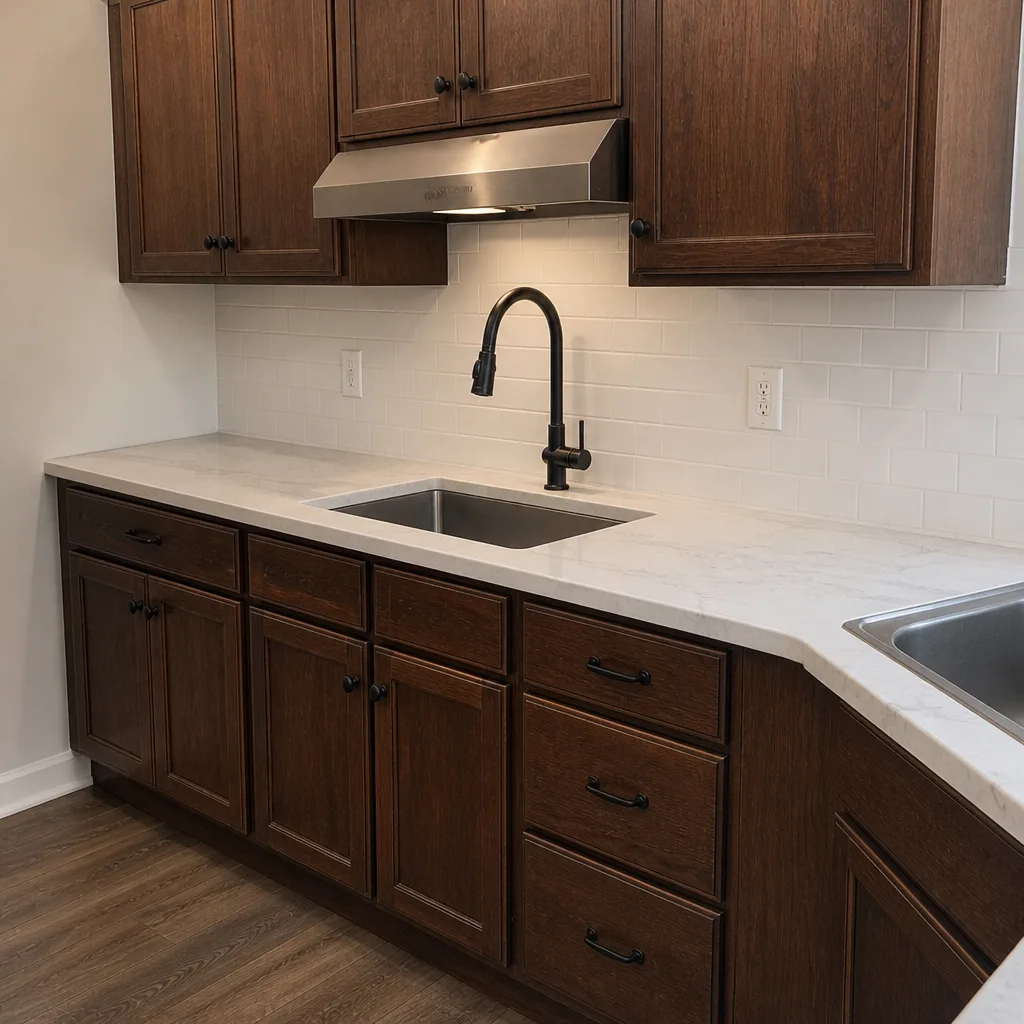 After
When to Call a Professional
Some projects genuinely need a licensed GC. Structural changes, any wall removal that isn’t a confirmed non-bearing partition, bathroom or kitchen remodels requiring plumbing or electrical relocation, and any addition to your home all require permits in Irving. So does replacing a water heater, upgrading an electrical panel, or moving a gas line. Those are the easy calls. The harder question is the smaller project that starts to grow once you look at it closely – the “tile patch” that turns out to have water damage behind it, the “one outlet” that reveals knob-and-tube wiring. Past a certain point, a licensed professional is cheaper than a handyman who’s over his head. Penhallow Remodeling Irving offers free estimates in Irving – call (844) 320-5939 to schedule yours.
Frequently Asked Questions

Yes, for any project that requires a building permit, including structural changes, additions, electrical, plumbing, or mechanical work. Texas doesn’t issue a general “GC” license, but it does require trade-specific licenses through TDLR for electrical, plumbing, HVAC, and appliance work – and a legitimate GC holds those through their trade partners and pulls permits under their own name. For cosmetic work under $5,000, a handyman is legally sufficient, but anything above that threshold deserves a written contract under Texas law.
Irving general contractors typically charge a markup of 15 to 25 percent on the total project cost, or a fixed fee for defined scope projects. For a $40,000 kitchen remodel, expect around $6,000 to $10,000 as the contractor’s fee. Some contractors quote an all-in number instead of a fee-plus-materials structure. Either works – what matters is that the number is written, line-itemed, and doesn’t change mid-project. Call (844) 320-5939 for an exact written quote on your project.
A bathroom remodel typically takes 4 to 7 weeks from demo to final inspection. A kitchen remodel runs 6 to 12 weeks depending on cabinet lead times, and a whole-home remodel runs 4 to 8 months. Irving permit review adds 2 to 3 weeks at the front end, and Valley Ranch HOA approval adds 4 to 8 weeks if exterior work is involved. Get the schedule in writing and hold the contractor to it.
Allowances are fine when they carry specific dollar amounts and named products. They’re dangerous when they read “allowance TBD” or carry unrealistically low dollar figures. The most common scenario we see in Irving is a bathroom tile allowance set at $1,500 that ends up $3,200 once the homeowner sees what’s actually available. Insist that every allowance has a stated amount and explicit products before signing – it is the single biggest protection against a budget overrun.
Irving follows the 2021 International Residential Code with local amendments, so any addition or structural change will require engineered drawings and specific foundation requirements, especially given the expansive clay soil throughout the city. The Heritage District has additional design review requirements for exterior changes to historic homes. Valley Ranch has HOA architectural review that sits on top of city code. Ask your contractor which of these applies to your specific address before signing anything.
The written guarantee is only as good as the company behind it. This is why the term matters. A one-year written guarantee with a stated remedy – “we return and fix it at no charge” – is meaningful in any market. “Lifetime warranty” with no named company or remedy does nothing. Read the guarantee’s remedy clause, confirm the company name is on the document, and understand what happens if a repair claim is filed. Call (844) 320-5939 to ask exactly how the 365-Day Done Right Promise works on your project – estimates are free.
The Bottom Line
The most important purchase you make in an Irving remodel isn’t the cabinets or the tile. It’s the contract. If the contractor can’t put the price, the scope, the schedule, the permit responsibility, and the guarantee in writing before demo starts, you’re not hiring a contractor – you’re funding an experiment. Texas gives you three days to cancel any home improvement contract over $5,000, but the real protection is in getting the contract right the first time. Verify the license. Verify the permit. Insist on named allowance amounts. Get the warranty in writing with a stated remedy. Do those four things and your project starts on solid ground.
Penhallow Remodeling Irving works to The Kingswell Way: say the price before the work, show up in the window we gave, leave the place cleaner than we found it. Call (844) 320-5939 for a free estimate and a written price before any work starts.
Written by the team at Penhallow Remodeling Irving.