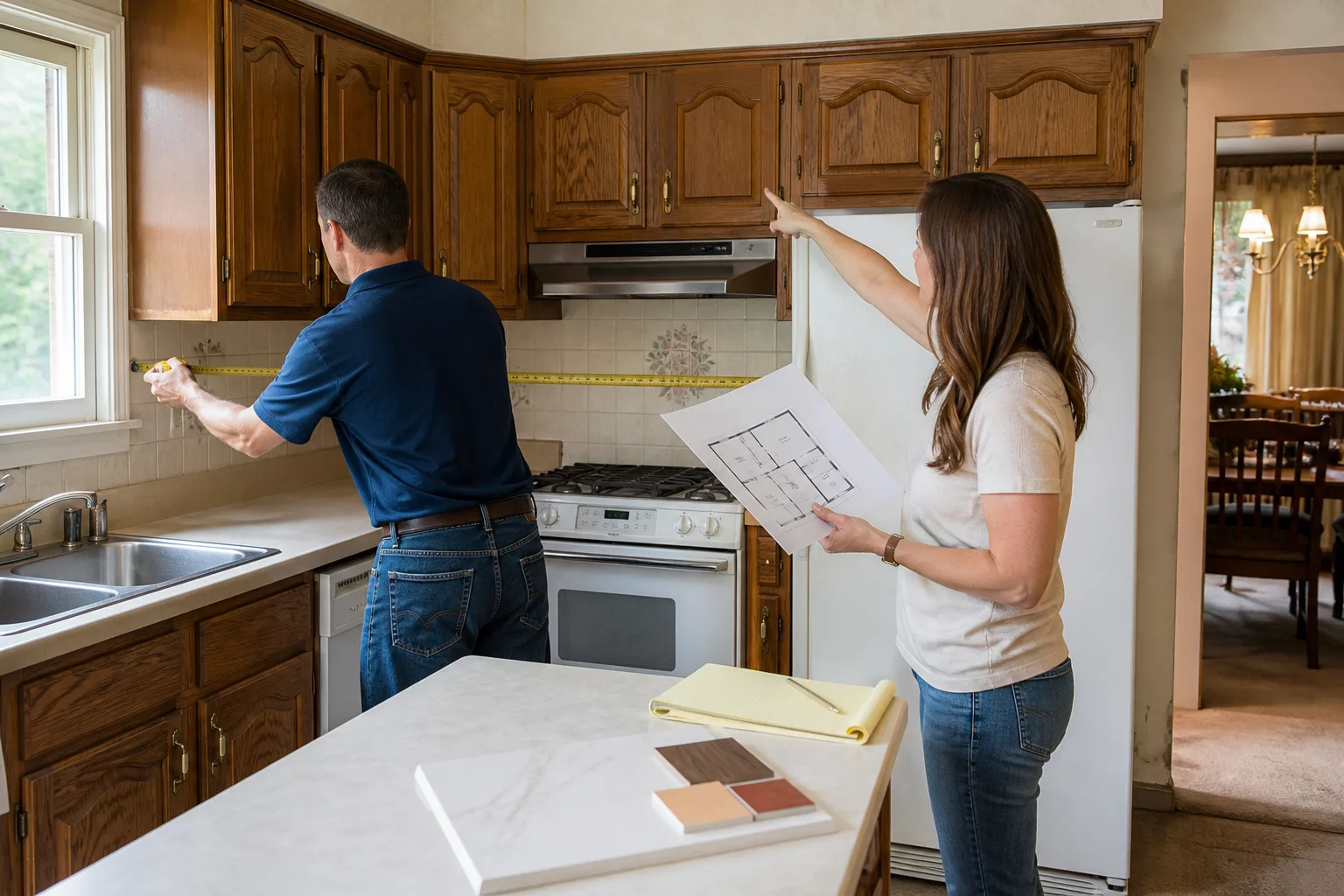
Last updated November 17, 2026

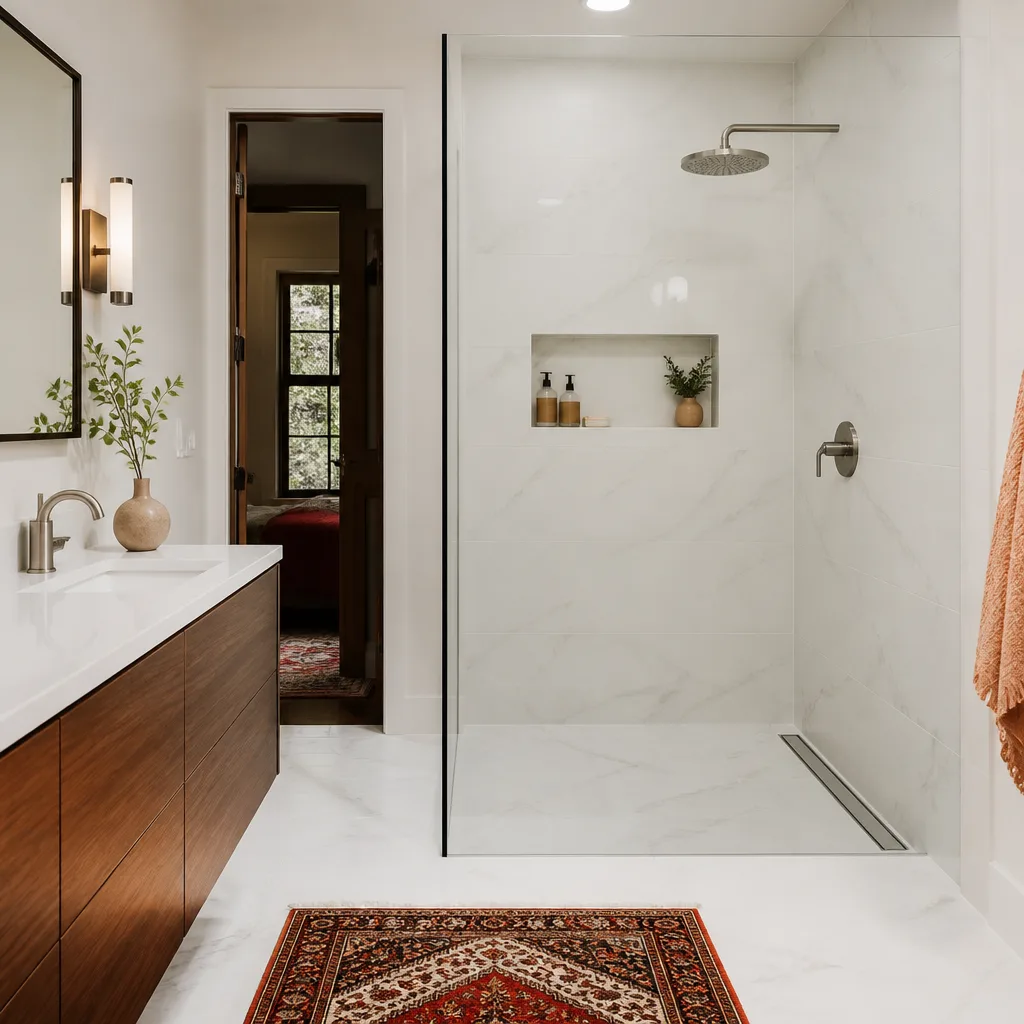
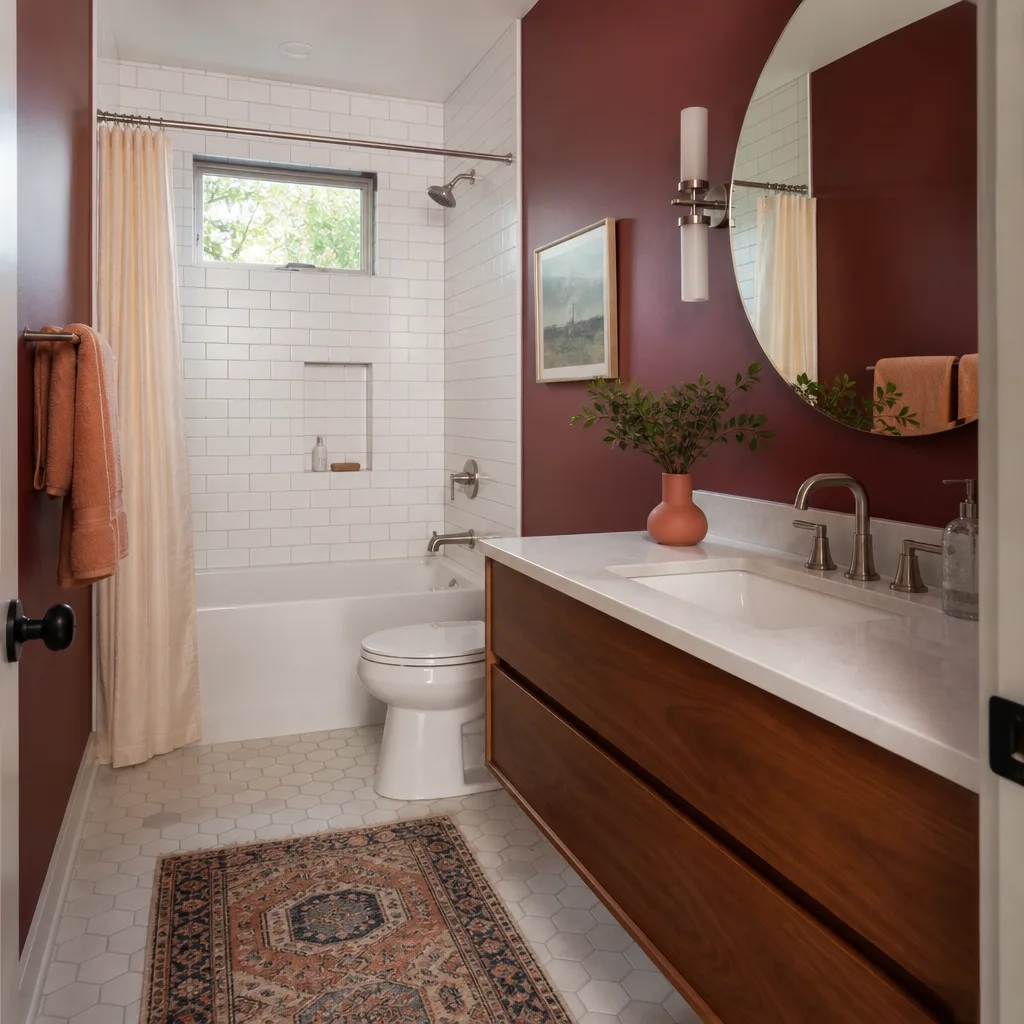
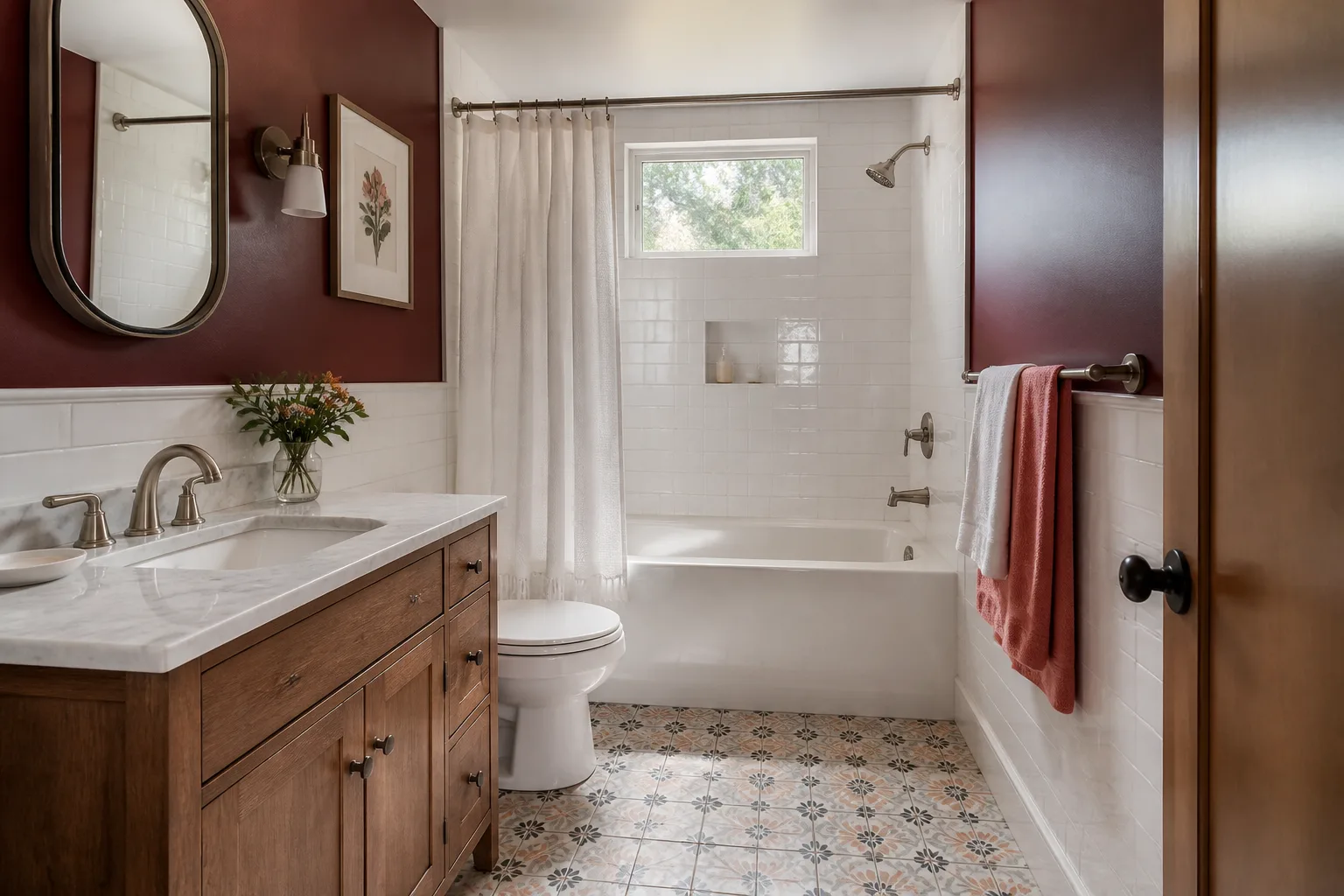




Free written scope consultation - allowances, timeline, and change-order rules on paper before a single trade is scheduled
Bathroom Remodeling Warning Signs Every Homeowner Should Know
Most bathroom remodeling disasters in Irving aren’t caused by a bad tile setter or a slow plumber. They’re caused in the first fifteen minutes of a conversation, when a homeowner hears something that sounds efficient, friendly, or normal, and doesn’t know it’s a warning. A contractor who hands you a price over the phone without ever standing in your bathroom isn’t being quick, he’s guessing, and the gap between his guess and your actual plumbing will reappear as a change-order invoice long after your old tub is in the dumpster. This guide walks through the red flags that show up before you hire, during the job, inside the walls of a previously remodeled bathroom, and in the paperwork most homeowners never read closely. It’s written from Irving, where we’ve seen every one of these plays.
Quick Answer
The biggest bathroom remodeling red flags are a verbal-only price with no written scope, no license number offered when asked, a deposit demand above roughly 10 percent, vague “we stand behind our work” guarantees with no cure period, and any contractor who starts demolition before permits are pulled. Mid-job warning signs include disappearing for days without communication, scope-creep language (“while we’re in there, you should probably…”), and refusing to show you the inspection sign-off. If you spot two or more of these, slow down and get a second written bid.
Styles & brands we work with
- Kitchen remodeling
- Bathroom remodeling
- Home additions & ADU
- Roofing
- Windows & doors
- Driveway & pavers
- Fence
Table of Contents
- Red flags before you hire: what to listen for in the first fifteen minutes
- Mid-job warning signs that show up after demolition
- What a written guarantee should actually say
- Physical red flags inside a previously remodeled bathroom
- The questions that separate a prepared contractor from one winging it
- The Irving permit reality nobody explains upfront
- What a legit bathroom remodel costs in Irving, and what drives the number
- Common mistakes to avoid
Red Flags Before You Hire: What to Listen for in the First Fifteen Minutes
The first conversations tell you almost everything. A prepared contractor asks about the age of the house (Irving has a lot of 1960s and 1970s ranch homes near the old downtown corridor alongside newer builds out by Valley Ranch, and they fail differently). He asks what’s under the tile, whether there’s a window in the shower, and how many people share the bathroom. A contractor winging it talks about tile and price and little else.
Here’s what to actually listen for:
- A price quoted before he’s seen the bathroom. Real numbers require eyes on the substrate, the drain, and the shutoff valves. A verbal ballpark over the phone is a guess dressed up as customer service.
- No license number offered when you ask. In Texas, general contractors aren’t licensed at the state level the way electricians and plumbers are, but a serious contractor can still produce his registration, insurance certificate, and the license numbers of the trades he subs out. If he dodges the question, that’s the answer.
- A deposit demand above 10 percent. Ten percent or a materials deposit tied to a specific line item is normal. Asking for 30, 40, or half upfront before any material is ordered is a cash-flow signal, not a scheduling one.
- “We don’t need a permit for that.” Almost every bathroom remodel that moves plumbing, electrical, or a shower pan needs an Irving permit. Anyone who says otherwise is either avoiding inspection or doesn’t know the code.
- A guarantee described in adjectives only. “We stand behind our work” is not a guarantee. It’s a slogan.
One more: a contractor who won’t put the scope in writing line by line, with what’s excluded as clearly as what’s included. The exclusions matter more than the inclusions. That’s what a written bathroom remodeling in Irving bid should give you before a single box is opened.
Mid-Job Warning Signs That Show Up After Demolition
Most of the pain in a bad bathroom remodel starts the day the old tile hits the floor. That’s when unknowns appear, and how a contractor handles the unknowns separates the professionals from the rest.
- He disappears for two or three days without a text. Weather, other jobs, supply delays happen. Silence doesn’t. A real contractor gives you a heads-up before he’s unreachable, not after.
- The scope-creep language starts. “While we’re in there, you should probably redo the whole plumbing stack.” Sometimes that’s true and necessary. Often it’s a way to fatten the job after the price is locked. Ask for the finding in writing, with a photo, before agreeing to anything.
- The price changes and the reason isn’t documented. A rotted subfloor is a legitimate change order. “We ran into some things” is not. You should see the disintegrating wood yourself before you sign off on extra labor.
- He won’t show you the inspection card. Every Irving inspection generates a paper trail. If your contractor can’t produce the sign-off, assume it wasn’t pulled.
- Materials arriving don’t match the bid. If the contract says KraftMaid cabinets and a different brand shows up at the curb, that’s a conversation you want to have before the installers open the boxes.
- The crew changes weekly. Subcontractors rotate; that’s normal. A completely different crew every Tuesday with no explanation usually means the original subs quit or weren’t paid.
Every one of those problems gets easier to catch when the contractor gives you a written scope and a fixed daily arrival window. That’s what our general contractor in Irving team builds into every job: the price on day one is the number on the invoice, and the crew that shows up is the crew you were told would show up.
What a Written Guarantee Should Actually Say
“We stand behind our work” means nothing in a dispute. A real written guarantee answers four specific questions, and you should be able to point to each one in the document:
- What’s covered. Labor and materials, or labor only? Does it cover the waterproofing if the shower pan leaks? Does it cover the tile if a grout line cracks? List the trades and products that are in and the ones that are out.
- How long it lasts. A one-year cure period catches nearly every construction defect that would show up from shoddy work, because if it’s going to fail, it fails inside that window. Anything shorter than a year is a marketing gesture.
- Who pays for labor if a defect shows up in month ten. This is the sentence most guarantees bury. “Materials only” means you pay the crew to tear out and reinstall. A real guarantee covers labor on a covered defect.
- What the process looks like. Who do you call, how fast do they respond, and does the return visit cost anything? “Free second visit if the repair fails, no service-call fee” is a promise you can actually hold someone to.
Manufacturer warranties sit underneath the contractor’s guarantee. Cambria quartz carries its own lifetime warranty alongside the installer’s. Kohler and Moen fixtures have their own coverage. That’s a layer of protection, not a substitute for the contractor’s own written promise. When we quote a bathroom in Irving, we put in writing what our 365-Day Done Right Promise covers, because a guarantee you can read is worth ten you have to take on faith.
Physical Red Flags Inside a Previously Remodeled Bathroom
If you’re buying a house in Irving, or moving into a bathroom that was “just remodeled” by the previous owner, walk in with a critical eye. The physical evidence tells you how the last job was done.
- Grout cracking at the pan seam. A hairline crack where the shower floor meets the wall tile usually means movement, and movement means the pan wasn’t set on a stable substrate. It’s the first sign of a leak you can’t see yet.
- Soft drywall behind the toilet. Press gently near the base of the toilet tank. If the drywall gives, there’s been a slow leak feeding moisture into the wall for months. You’ll be tearing it out.
- Tiles that sound hollow near the shower floor. Tap with a coin. A solid thud is good; a hollow ring means the thinset didn’t bond, and water will get behind those tiles inside a year or two. This is the classic sign of a tile-over-tile shortcut.
- Caulking everywhere. Silicone smeared along every seam, over grout, over old caulk, is a cosmetic patch over a waterproofing failure. Real waterproofing lives behind the tile, not on top of it.
- No visible access panel for the shower valve. Every valve needs service eventually. If the only way to reach it is to cut drywall, the last remodeler cut a corner.
- A wobble in the toilet base, or a toilet that rocks when you sit. A rocking toilet means a failed flange or a bad wax ring, and both leak into the subfloor underneath.
North Texas heat and clay soil work against you here. The expansive clay under most Irving homes shifts with every wet and dry season, and that movement is hard on the joints in a bathroom, especially on slab foundations. A remodel done without proper backer board (the cement board that goes behind tile and doesn’t swell when wet) will show its seams within two or three summers. That’s why we insist on proper substrate in every bathroom we touch, from the older homes near Senter Park to the newer builds in Las Colinas.
The Questions That Separate a Prepared Contractor From One Winging It
Ask these five questions. The way the contractor answers tells you whether he does this work seriously or talks about it well. A prepared contractor answers them in full, without hedging.
- “What waterproofing membrane do you use and why?” You want a specific product name (Schluter-Kerdi, RedGard, Wedi, or a comparable system) and a reason. “We use cement board and thinset” is not waterproofing. Cement board is a substrate; the membrane is the actual water barrier. If he can’t name the barrier, he doesn’t have one.
- “What’s your process when you find a rotted subfloor?” You want a description of stopping work, documenting with photos, giving you a written change order before proceeding, and the option to pause. Anyone who says “we just fix it” without discussing cost with you is going to bill you for it.
- “Who pulls the permit, you or me?” The answer should be him, and he should be able to tell you the approximate permit cost and the inspection stages. A contractor who asks you to pull the permit is transferring legal risk onto your shoulders.
- “Can I have the names and addresses of the last three bathrooms you did?” Call one of them. Ask that homeowner specifically about change orders, communication during the job, and whether the crew was on time.
- “What does your written guarantee say specifically?” If he answers in adjectives, ask again. If he still answers in adjectives, walk.
For the record: our answer to the first question is that we use a full waterproofing system, not a paint-on shortcut, and our answer to the fifth is that the 365-Day Done Right Promise is in writing on every job.
The Irving Permit Reality Nobody Explains Upfront
Bathroom remodeling in Irving requires a permit whenever you change plumbing, electrical, or the shower pan, and often when you’re moving walls. That’s not a technicality. It’s the difference between a bathroom that’s documented with the city and one that can complicate your insurance claim or your eventual sale.
Here’s what most homeowners don’t realize until it bites them:
- Unpermitted work can void homeowner’s insurance claims. If a fire starts at an unpermitted electrical junction, or a shower pan leak damages the room below, the insurer can deny the claim on the basis that the work was never inspected.
- It complicates a sale. A buyer’s inspector finds evidence of a remodel and pulls the permit history. If it isn’t there, the buyer’s lender may require retroactive permitting, which is more expensive than pulling it upfront.
- You can verify the permit yourself. Ask the contractor for the permit number and call the city’s permit office. The permit should be posted on the job site during the work; inspections get recorded in the city’s system as they pass.
- The inspection sign-off is a document, not a handshake. Get a copy. It’s proof of code compliance, and it’s the paper you’ll want in your files if you ever sell the house.
If a contractor tells you a permit isn’t needed for an Irving bathroom remodel, ask him to put that in writing on his own letterhead. He won’t.
What a Legit Bathroom Remodel Costs in Irving, and What Drives the Number
Cost is where the guessers get caught. Here are the ranges we see in the Irving market, broken out by scope. These are for a full-gut remodel with new tile, new fixtures, new vanity, and proper waterproofing, not a cosmetic refresh.
- Hall bathroom, full remodel: $14,000 to $24,000, depending on tile selection, vanity size, and whether the shower valve moves.
- Primary bathroom, full remodel: $22,000 to $42,000, driven mostly by square footage, curbless shower systems, and whether you’re doing a freestanding tub with a floor-mounted filler.
- Cosmetic refresh (paint, fixtures, no tile or plumbing move): $3,500 to $7,500.
- Shower-only redo with proper waterproofing: $7,000 to $13,000.
- Irving permit: typically a few hundred dollars, and it belongs in the written bid as a line item, not hidden in “miscellaneous.”
What drives the number up in Irving specifically: slab plumbing relocations, since moving a drain in a slab costs more than moving one in a pier-and-beam crawlspace; and shower waterproofing, because doing it right requires a system that costs more than a paint-on shortcut. What drives it down: keeping the existing layout and re-tiling over a sound substrate.
A verbal estimate will always undershoot these numbers, because a verbal estimate was never anchored to anything. A written bid, itemized, is where the real number lives. That’s what every Penhallow bathroom quote delivers, and it’s why the number doesn’t move after demolition day.
Common Mistakes to Avoid
- Accepting a phone quote without a site visit. A contractor who hasn’t seen your valves, your substrate, and your shutdown access is guessing, and his guess will show up on a change order.
- Paying more than 10 percent upfront. Deposit demands grow with the contractor’s cash-flow problems, not with his confidence. A real contractor can order materials on a standard deposit.
- Skipping the permit to save a few hundred dollars. In Irving, an unpermitted bathroom can void an insurance claim and stall a home sale. The permit is the cheapest part of the job.
- Accepting an oral guarantee. “We stand behind our work” is not a promise. A written guarantee with a one-year cure period, labor coverage, and a defined process is a promise.
- Not asking what’s excluded from the bid. The inclusions look complete. The exclusions are where the money gets spent. Read them line by line before signing.
- Moving forward without a written arrival window. If the bid says “start date will be arranged,” you’ve agreed to the contractor’s convenience, not yours.
- Ignoring hollow tiles and cracked pan seams in a “recently updated” bathroom. Those signs mean the last remodel was cosmetic, and the real bill is coming.
See the difference
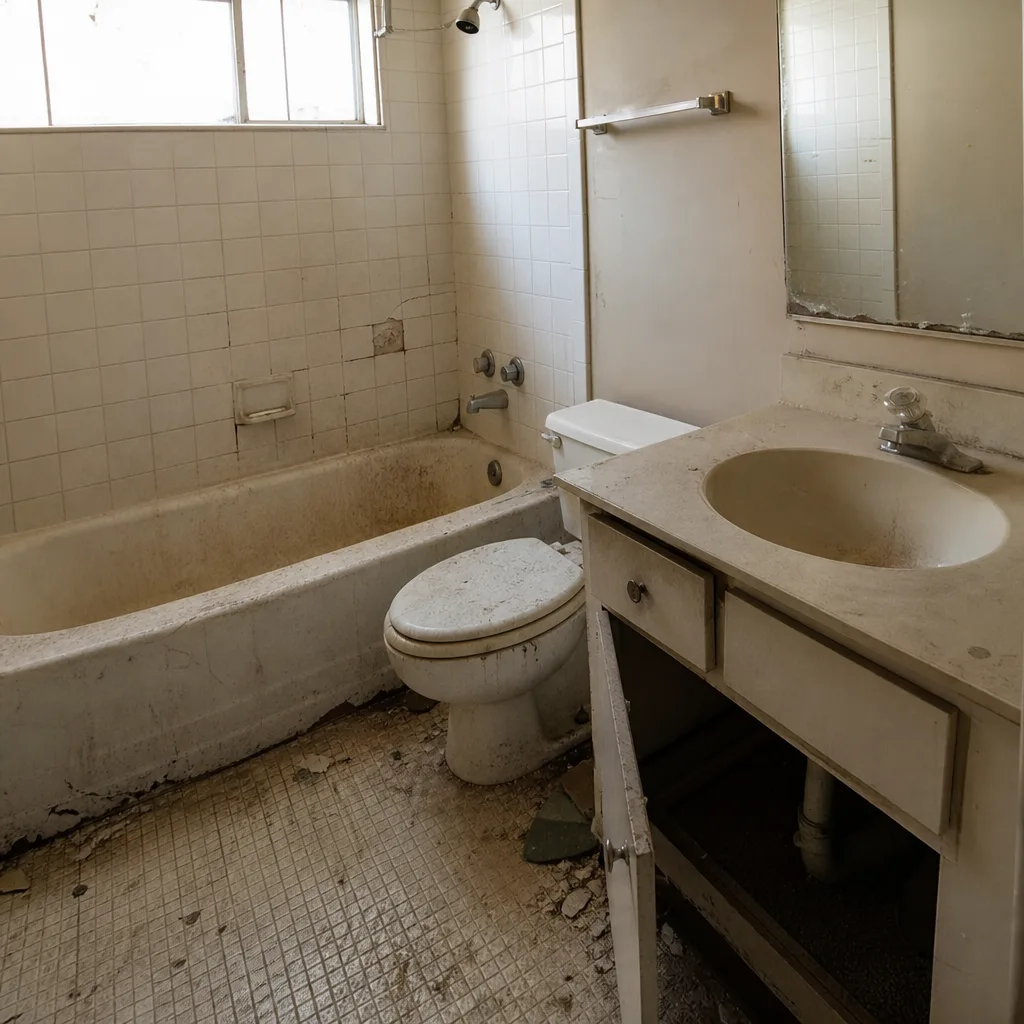 Before
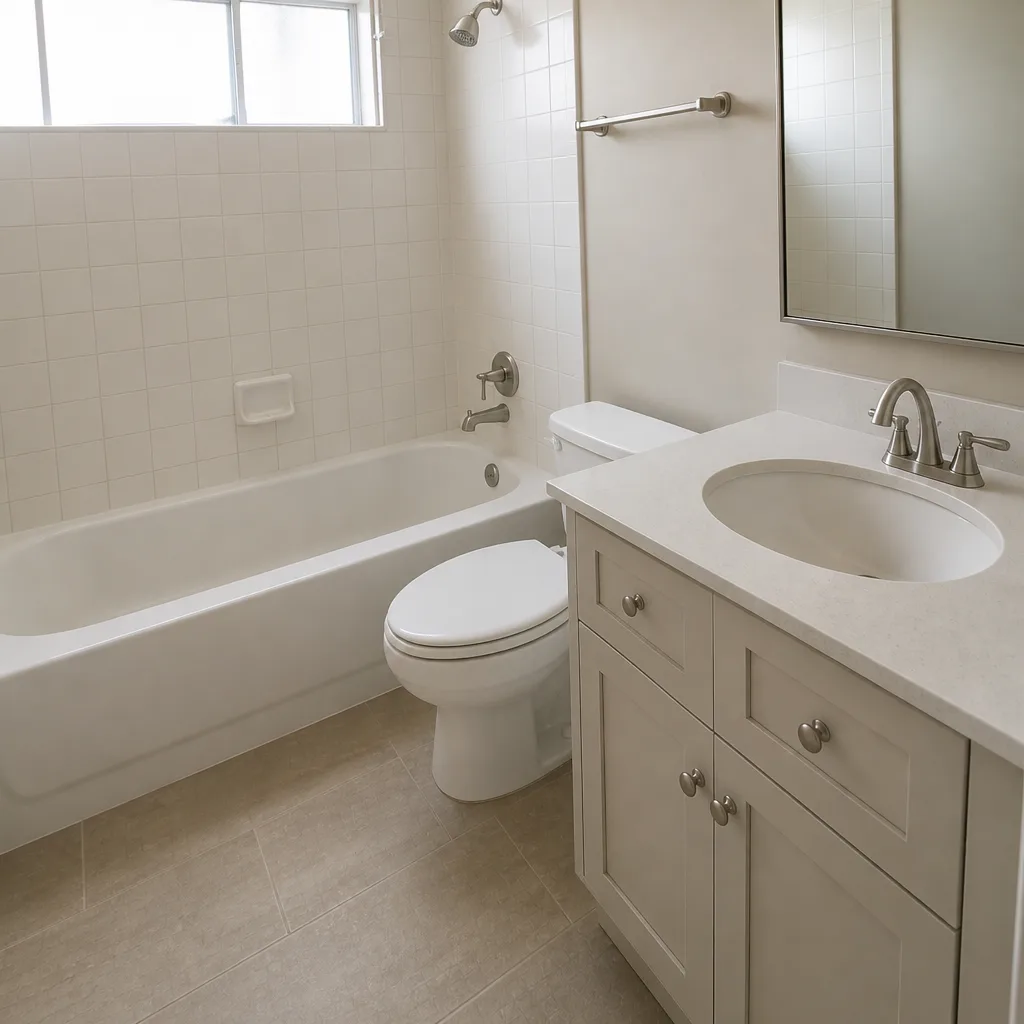 After
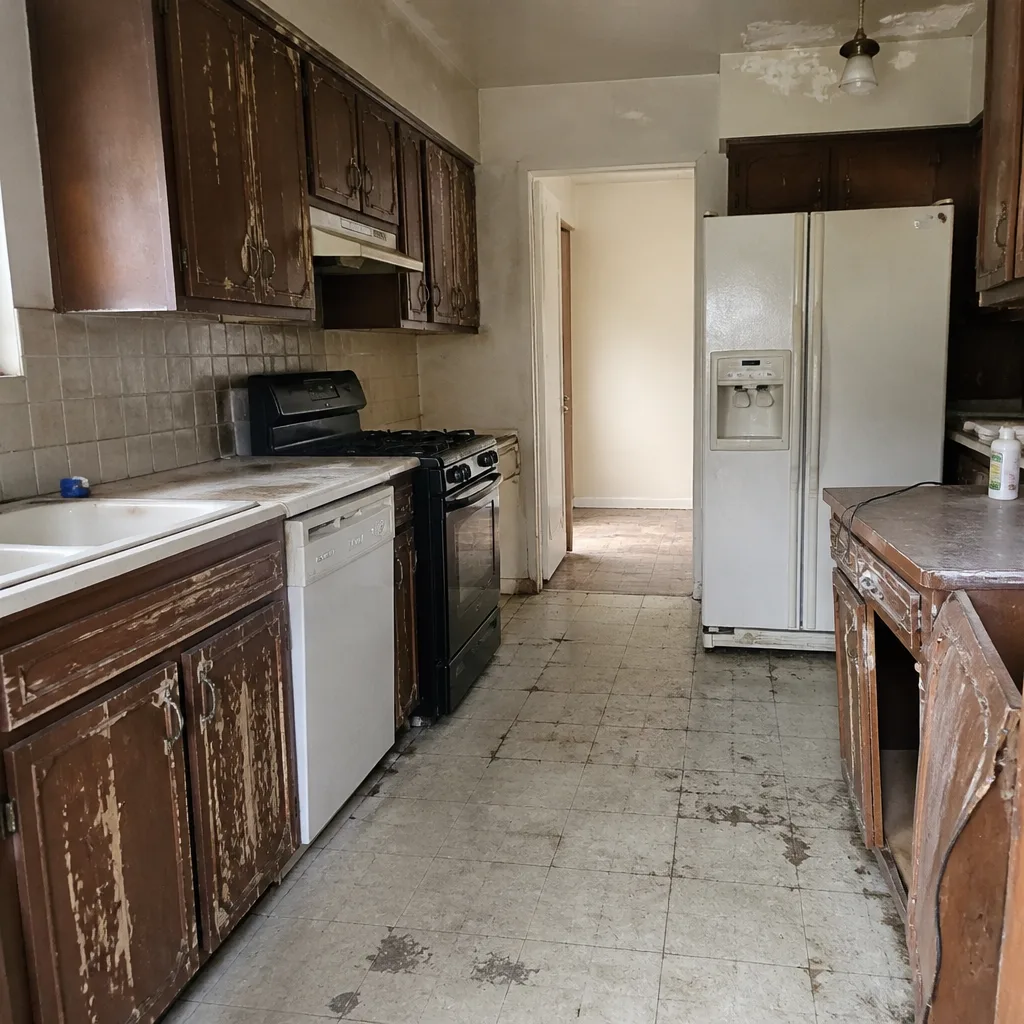 Before
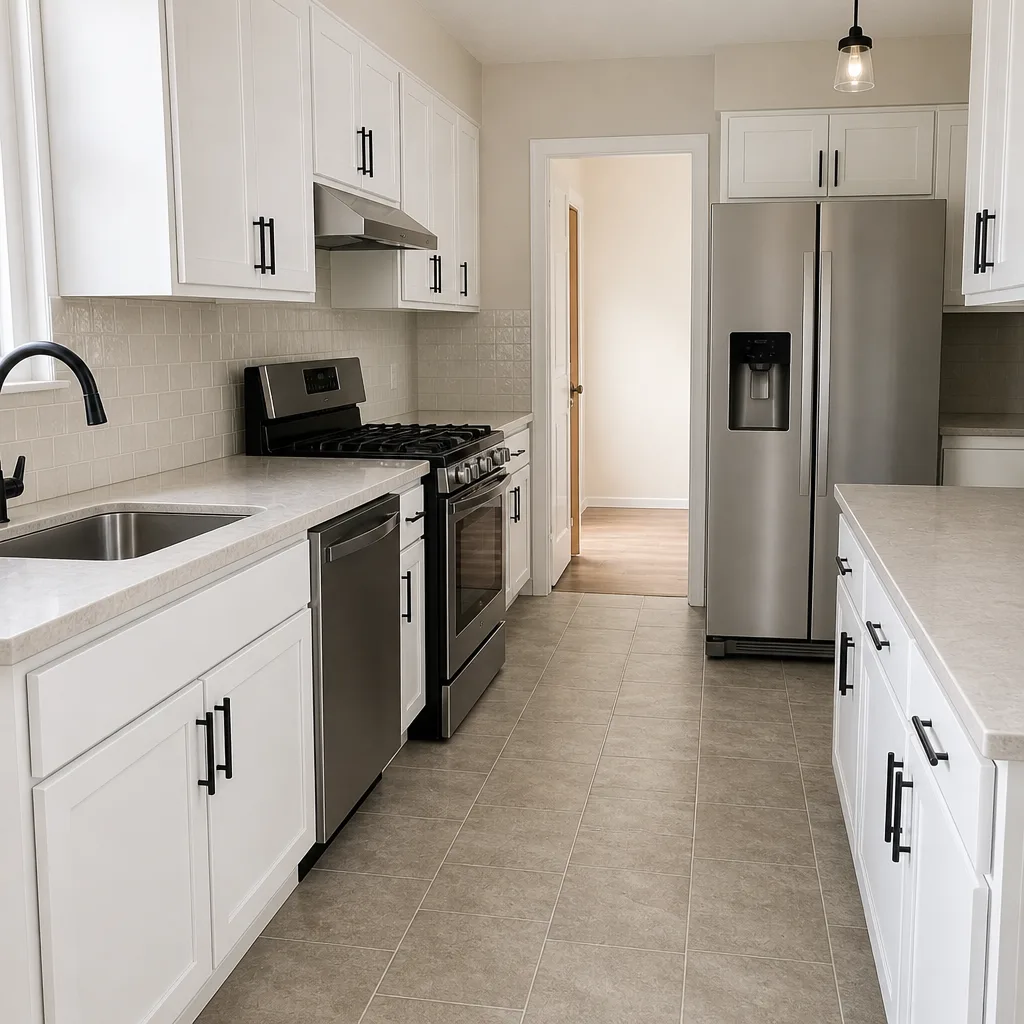 After
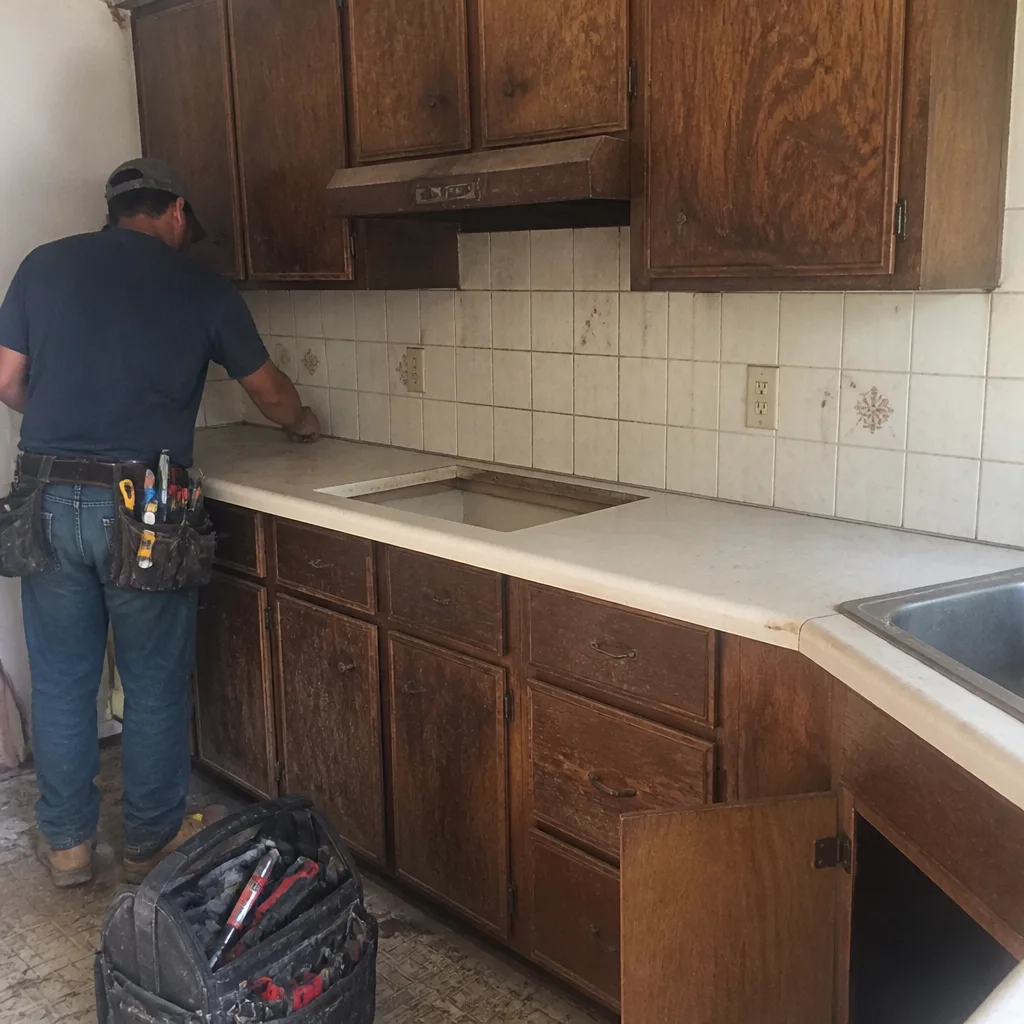 Before
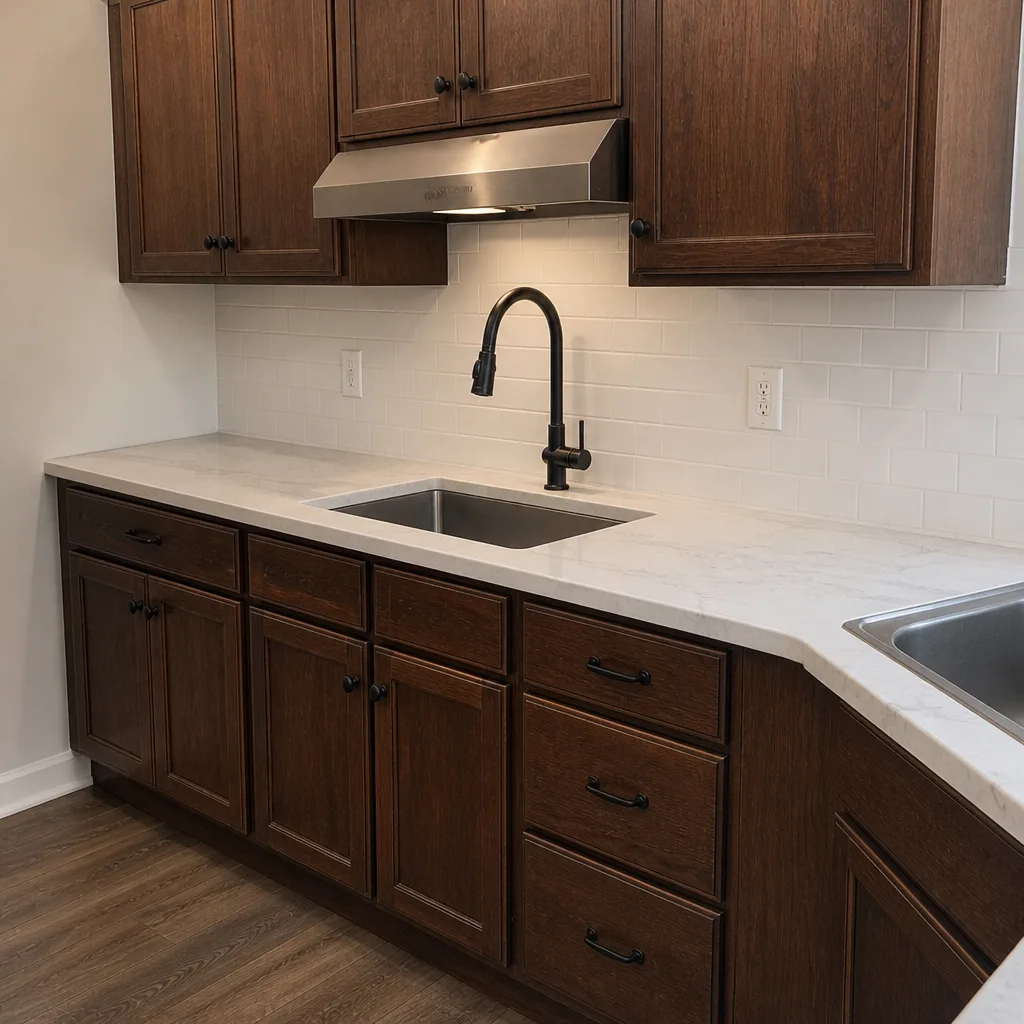 After
When to Call a Professional
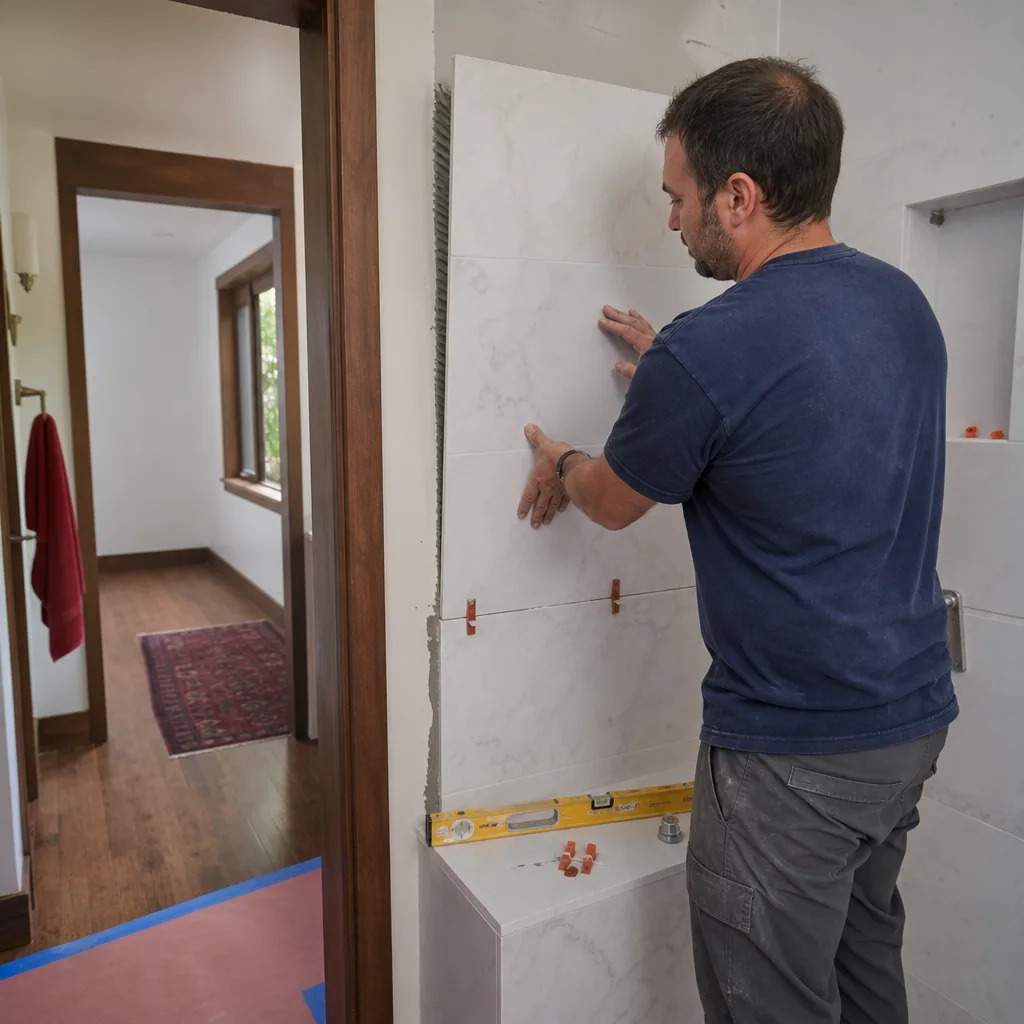
Some of these red flags are decisions you can make alone. A hollow-sounding tile in a shower, water behind a toilet wall, or a wobbling toilet base isn’t a weekend fix; those are signs that the waterproofing under the tile has already failed and needs to be rebuilt properly. If you’ve had a contractor walk away mid-job, if a previously “finished” bathroom is leaking into the room below, or if you’re staring down an Irving permit you’re not sure was ever pulled, call someone who can document the current state before more damage spreads. If you’ve never seen a written guarantee from any contractor you’ve ever hired, that’s a reason to call now, before this job rather than after.
Penhallow Remodeling Irving offers free estimates in Irving and walks through the bathroom with you, in person, before quoting a number. Call (844) 320-5939. Every visit produces a written price, a written scope, and a written guarantee, and a live person answers the phone any time of day or night.
Frequently Asked Questions
A hall bathroom remodel in Irving typically runs $14,000 to $24,000, and a primary bathroom runs $22,000 to $42,000, depending on layout, tile selection, and whether the shower valve moves. Cosmetic refreshes without tile or plumbing changes fall in the $3,500 to $7,500 range. Call (844) 320-5939 for an exact written quote, which is free.
Ask for a written bid with line-item scope and exclusions, the certificate of insurance, the permit plan, and a copy of the written guarantee. A legitimate contractor produces all four without stalling. If any of them are “coming later,” slow down and get a second bid from someone else.
A real written guarantee covers labor and materials on the trades listed, lasts at least one year (a cure period long enough to catch nearly every construction defect), names who pays for labor on a covered failure, and describes the process and any cost for a return visit. “We stand behind our work” doesn’t cover any of that.
Yes, whenever you move plumbing, electrical, or the shower pan, and usually when you move walls. Unpermitted work can void a homeowner’s insurance claim and stall a home sale, and the permit is a relatively small line item against the total job. Ask your contractor for the permit number and verify it with the city yourself.
Grout cracking at the shower pan seam, hollow-sounding tiles near the shower floor, soft drywall behind the toilet, a rocking toilet base, and caulking smeared over every joint. In Irving’s clay soil, movement shows up at seams within two to three summers, which is why proper substrate and waterproofing matter more here than the tile you pick.
It shouldn’t for anything in the written scope. It will only change if the contractor documents a genuine finding (rotted subfloor, failed drain line) with photos and a written change order you approve before the work continues. Anyone who changes the number without that paper trail isn’t running a job, he’s running an invoice.
The Bottom Line

The most expensive bathroom remodeling mistakes are made in the first fifteen minutes, before you’ve signed anything. A verbal price with no site visit, a guarantee made of adjectives, a permit quietly skipped, a deposit that tells you more about the contractor’s cash flow than his confidence; each one feels like a small thing at the time. Each one costs real money later. The cure is a written price before work starts, a written guarantee with a one-year cure period, a permit you can verify, and a contractor who answers the phone. Those four things narrow the field fast. If you want to see what that looks like in person, the team at Penhallow Remodeling Irving will walk your bathroom with you, put the scope and price in writing, and stand behind the work. If you’re thinking about the kitchen too, our kitchen remodeling in Irving guide covers the red flags specific to that job.
Call (844) 320-5939 for a free estimate. A live person answers any hour of the day, every day.
Written by the team at Penhallow Remodeling Irving.