Last updated November 17, 2026







Free written scope consultation - allowances, timeline, and change-order rules on paper before a single trade is scheduled
General Contractor Warning Signs Every Homeowner Should Know
The contractor who pushes hardest for a quick yes and a big deposit upfront is usually the one most likely to leave your job half-finished. Urgency is a sales tactic, not a sign of a full calendar. A contractor with real work lined up doesn’t need to pressure you into signing at the kitchen table. In our experience working with homeowners across Irving, the warning signs that predict a bad remodel almost always show up before the first hammer swings – in the estimate, the contract language, and the very first conversation. This guide names the specific behaviors that separate contractors who protect themselves from the ones who protect you.
Quick Answer
The biggest red flags when hiring a contractor are a verbal estimate that “firms up after demo,” a deposit demand above what Texas norms support, an expired or suspended TDLR license, contract language that shifts all risk to you, and any refusal to put a written guarantee in writing. If a contractor shows two or more of these behaviors, stop and get another bid. None of these signs are subtle once you know what to look for, and every one of them is visible before work starts.
Styles & brands we work with
- Kitchen remodeling
- Bathroom remodeling
- Home additions & ADU
- Roofing
- Windows & doors
- Driveway & pavers
- Fence
Table of Contents
- Why a Verbal Estimate That Firms Up After Demo Isn’t an Estimate
- The Deposit Structure Warning Sign: What’s Reasonable in Texas
- How to Verify a Contractor’s License in Irving
- Contract Clauses That Shift Risk to the Homeowner
- What a Refused Guarantee Tells You
- The First Conversation Reveals the Whole Job
- Irving Permit and Code Realities Worth Knowing
- How to Check References and Photos Properly
Why a Verbal Estimate That Firms Up After Demo Isn’t an Estimate
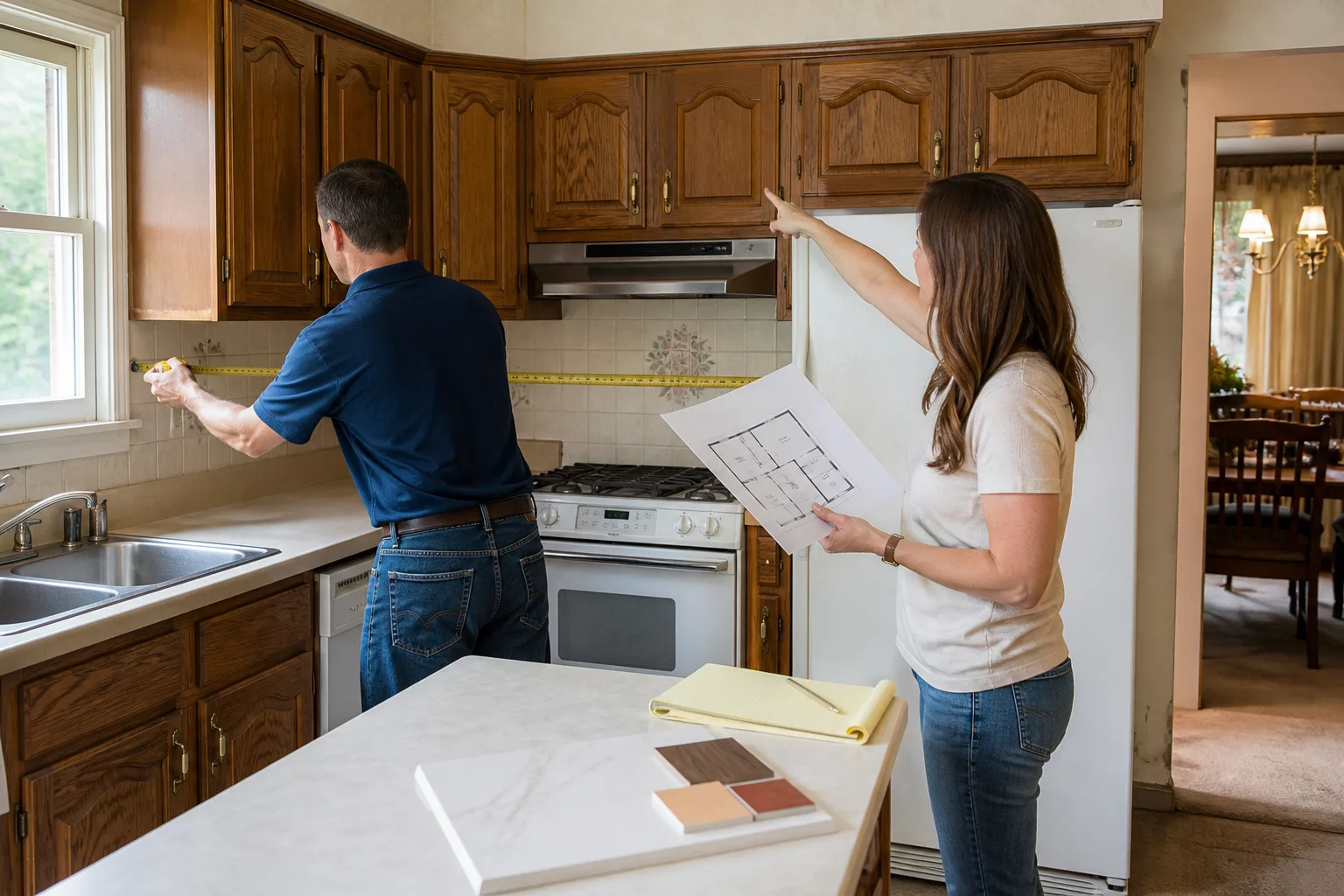
A verbal ballpark is not a price. It’s a number shaped to get a signature, with an escape hatch built in for later. When a contractor tells you a kitchen “should run around $30,000, but we’ll firm it up after demo,” what they’re really telling you is that nobody has looked closely enough at your cabinets, your wall coverings, or your plumbing to know. That number will move, and it will move in one direction. You’ll hear the phrase “once we open it up, we’ll see what we’re dealing with,” and by then the crew is already onsite and the deposit is already gone.
In Irving, we regularly see this play out in older neighborhoods where the homes were built in the 1970s and 1980s – housing stock that often hides surprises behind the drywall. A wall covering that hides galvanized plumbing, or a subfloor that’s seen forty years of slow leaks, is exactly the kind of thing a real estimator catches with a careful walkthrough. If they don’t look, they don’t know. And if they don’t know, they shouldn’t be quoting you a number at all.
Here’s the language that signals a fake estimate:
- “We’ll firm up after demo.” Translation: the number you’re about to sign against is not real.
- “Should come in around…” If the word “should” is doing the work instead of “will,” you don’t have a price.
- “We’ll work it out as we go.” This means you’re financing an unknown quantity with no ceiling.
- A single lump-sum line item with no breakdown. No line items for demo, framing, cabinet install, countertops, plumbing rough-in, tile, or finish. Without line items, you have no way to compare bids or question a change.
- Handwritten numbers on a business card. A real quote comes on letterhead with scope, inclusions, exclusions, and a signature line.
A written price before any work starts isn’t a luxury – it’s the baseline. The number on day one should be the number on the invoice. If it changes, it should change because you asked for something new, not because the contractor found “unforeseen conditions.” Look for a contractor in Irving who puts the price in writing and stands behind it. That’s the starting point, not the gold standard.
The Deposit Structure Warning Sign: What’s Reasonable in Texas
Deposit requests are the fastest signal of a contractor’s financial health. A reasonable deposit covers material ordering and mobilizing your job. It should not be so large that you lose the ability to walk away. In Texas, the norm on a residential remodel is a deposit that covers materials and the first phase of labor – enough to start, not enough to fund someone else’s payroll. Any contractor asking for the majority of the job upfront is borrowing from your project to pay for the last one, or the one before that.
Here’s the structure we consider healthy on a typical Irving kitchen or bathroom remodel:
- Materials and mobilization deposit: covers the cabinet order, countertop slab order, and the delivery window. Sized to the actual material cost on your specific job.
- Progress payments: tied to defined phases – demo complete, rough-in inspected, cabinets hung, countertops templated. You pay for what’s been done, not what’s promised.
- Final payment: held until the punch list is closed and you’ve signed off. This protects you at the moment when a contractor’s attention tends to wander to the next job.
A contractor asking for 50% to 60% upfront on a kitchen remodel of, say, $35,000 is asking you to hand over nearly $20,000 before a single cabinet is pulled. That’s not normal. Some contractors will tell you it’s for materials – but if they had good credit with their suppliers, they wouldn’t need it. Cash flow problems show up in the deposit structure first, and they show up in the finish date second. If the truck leaves, the deposit leaves with it.
One more thing. A contractor who won’t take a credit card or a check and demands cash is telling you something about how they run their books. Cash doesn’t leave a paper trail, and neither does their warranty.
How to Verify a Contractor’s License in Irving
Texas doesn’t license every general contractor, but it does license certain trades and specialty categories, and Irving issues permits requiring licensed subs on electrical, plumbing, and mechanical work. The first phone call you should make before signing anything is to the Texas Department of Licensing and Regulation – the TDLR – to check the status of the license any contractor presents. A license that’s expired, suspended, or revoked is a stop sign, not a speed bump.
Here’s the step-by-step process for checking a contractor’s license for an Irving job:
- Ask for the license number in writing. A contractor who’s proud of their license will send it without hesitation. One who’s cagey about it isn’t. Skip anyone who says “we don’t need one.”
- Look up the number on the TDLR’s online license search. Search by name or number, and read the status carefully. You’re looking for “Active” or “Current.” Anything else – “Expired,” “Suspended,” “Delinquent,” “Revoked” – is a real warning sign.
- Check the expiration date. A license that expires next week isn’t a problem. A license that expired eight months ago and hasn’t been renewed is a big one.
- Look for the discipline history. TDLR publishes disciplinary actions. A single old complaint from years ago isn’t necessarily disqualifying, but a pattern of complaints is.
- Confirm your specific subcontractors are licensed too. The general contractor on your job may be licensed, but if the electrician or plumber they bring in isn’t, you’re the one holding the permit problems.
In Irving, permits for structural, electrical, and plumbing work go through the city’s Development Services office, and a real licensed contractor knows the process cold. Someone who tells you permits aren’t needed for an interior wall change or a bathroom rough-in doesn’t know the code or doesn’t plan to pull them. Either way, you’re on the hook if the work is inspected later.
Contract Clauses That Shift Risk to the Homeowner
The contract is where risk gets moved – often quietly, often in language that sounds fair. The clauses below are the ones we see most often in Irving, and each one does the same thing: it moves a problem that belongs to the contractor onto your shoulders.
- “Unforeseen conditions.” The phrase exists to cover genuinely unforeseeable things – a buried tank, a structural issue behind a wall. But in the wrong contract, it’s the override clause that lets the contractor change the price after demo. A real contract defines what counts as unforeseen, caps the added cost, and requires your written approval before any work continues.
- Open-ended allowances. You’ll see a budget line for “tile allowance: $1,200.” That sounds fine until you learn the allowance is short of the tile you actually want. Real allowances are based on the material you’ve selected, or the contractor gives you credit back if you spend less. Open-ended ones let the contractor set the baseline low and blame you for the overage.
- No-penalty scheduling language. A contract with no defined start date, no defined completion window, and no penalty for blowing past it is a contract where the contractor has all the flexibility and you have none. “Work to begin within a reasonable time” is not a start date.
- Arbitration and venue clauses you didn’t read. Some contracts require disputes to be settled in a county far from Irving, which makes it expensive for you and cheap for them. These clauses are legal, but they’re one-sided, and they tell you where the contractor thinks disputes will end up.
- No written change-order process. If the contract doesn’t specify how changes get priced and approved, changes happen by text message and get billed at the end. That’s how a $28,000 kitchen becomes a $41,000 one.
Read the whole contract. Circle every clause that mentions a change in price, a change in schedule, or a limitation on the guarantee. If any of those circles doesn’t have a clear answer, ask before you sign.
What a Refused Guarantee Tells You
A contractor’s willingness to put a guarantee in writing tells you everything about how they see the job. If the work is going to be done right, the guarantee is easy – it’s a promise they expect to keep. If a contractor refuses to put anything in writing past the invoice, or offers a “guarantee” that only covers materials and not labor, they’ve just told you they expect problems to come from the labor side of the job and they don’t plan to own them.
Here’s the difference in plain terms:
- Materials-only guarantee: “If the cabinet fails, we’ll replace the cabinet.” The manufacturer’s warranty on the KraftMaid or Wellborn cabinetry covers the product. Your contractor isn’t adding anything.
- Labor guarantee with a real term: “If the tile cracks within 365 days, we come back and fix it at no charge – no service call, no return-trip fee.” That’s a promise that costs the contractor if they get it wrong, which is why it matters.
The strongest guarantees come in two layers. A Cambria quartz countertop carries its own manufacturer warranty, and a contractor’s labor warranty sits on top of it. Cambria, Silestone, and Caesarstone countertops all carry real manufacturer coverage, and a good installer adds a workmanship guarantee on the fabrication, template, and seam work that the manufacturer doesn’t cover. A contractor who specifies these materials and puts their own promise in writing behind the install is telling you they stand behind both the product and their hands.
Ask two questions before signing: What does your guarantee cover, labor included? And what happens if a repair fails – do you come back free? Any pause before the answer is a red flag. Look for a contractor in Irving general contracting who answers both in the first five minutes.
The First Conversation Reveals the Whole Job
Pay attention to how the contractor handles the very first phone call, because it’s a preview of how they’ll handle the whole project. A contractor who answers the phone – actually answers it, with a live person – is a contractor you can reach when something’s wrong in week four. A contractor who routes you to a voicemail maze and schedules a callback window that comes and goes is promising you the same experience on every future call.
Watch for these behaviors in the first ten minutes:
- They ask about your home before they ask about your budget. A real contractor wants to see the room, the age of the house, and how you use the space. One who leads with budget is shopping for a number to meet, not a project to solve.
- They give you a written price before the meeting is over. Not a range. A number. If they need a second visit to measure, they schedule it and come back – not “we’ll send it over” with no date.
- They tell you what’s not included. Real bids are honest about scope. If a contractor can’t name three things that aren’t in the price, they haven’t thought about your job.
- They mention the brands by name. A contractor working with KraftMaid, Cambria, or Kohler knows the lead times, the finish options, and the warranty terms. Someone vague about materials is vague about everything.
- They don’t promise the moon on the first call. Speed claims are fine on an emergency, but on a planned kitchen or bathroom remodel, nobody can finish a real project in a day. A contractor who promises the impossible is selling, not building.
In Irving, the plumbing standards around the city vary a lot by decade of construction – some neighborhoods have had more recent upgrades, others are still carrying original galvanized lines. A contractor who asks the age of your house and what’s still original is one who knows what they’re looking at.
Irving Permit and Code Realities Worth Knowing
Irving requires permits for structural changes, electrical work, plumbing work, and any project that changes the footprint or use of a room. That’s the baseline. Where it gets interesting is the local knowledge that separates a real Irving contractor from someone who treats every city the same.
- Permits get pulled before work starts. Not “we’ll pull them next week.” Permits are a condition of doing the work, not a paperwork detail to handle later. If a contractor is willing to start without one, they’re willing to leave you holding the inspection problem.
- Inspection scheduling matters. Rough-in inspections on electrical and plumbing happen at defined points. A contractor who knows the Irving process schedules those inspections with breathing room. One who doesn’t end up with a stalled job while the inspector catches up.
- Older Irving housing stock has traps. Homes built in the 1970s and 1980s have plumbing and wiring that often needs updating as part of a remodel. A good bid recognizes this upfront. A bad one “discovers” it after demo and bills you for it as an unforeseen condition.
- Climate affects material choices. The North Texas heat and the occasional hard freeze put real stress on exterior materials and plumbing. A contractor who specifies James Hardie siding knows why it holds up. One who specs whatever’s cheapest at the home center doesn’t.
- Foundation issues show up in remodeling. Irving’s clay soil moves with the seasons. Any interior remodel that changes walls, tile, or cabinets should account for level and movement. A contractor who ignores this leaves you with cracked tile and sticking doors a year later.
How to Check References and Photos Properly
A reference list is only as useful as the questions you ask. And photos only tell you what the contractor wants you to see unless you know what to look for. The trick with both is specificity – vague questions get vague answers, and vague answers are the red flag.
Here’s how to actually check a reference:
- Call the reference, don’t just read the review. A live call reaches a real person who can tell you whether the contractor showed up when they said, whether the price held, and whether the finish date slipped.
- Ask three specific questions: Did the final invoice match the written price? Did the crew arrive in the promised window? Did anything fail after the job, and did the contractor come back to fix it? Any hesitation on the third question is the answer.
- Ask for a reference that’s six to twelve months old, not last month’s. The newest reference is the least likely to reveal problems. A job from a year ago tells you whether the work held up.
- Look at photos of the in-progress work, not just the finished room. A beautiful finished photo can hide bad prep. In-progress photos of framing, plumbing rough-in, and cement board substrate (the moisture-resistant layer behind the tile) tell you whether the bones were right.
- Check the review pattern, not the count. A contractor with a few consistent reviews that mention specific Irving neighborhoods and specific projects is more credible than one with dozens of generic five-star posts.
Common Mistakes to Avoid
- Signing at the first visit because the price felt good. The first number is rarely the real number. Get a written price from at least two Irving contractors and compare the line items, not the totals – that’s where the difference lives.
- Paying a deposit without a written price in hand. Money moves last, not first. A contractor who needs a deposit before they’ve put a number on paper has it backwards.
- Assuming a verbal “guarantee” means anything. If it isn’t in writing on the contract, it isn’t a guarantee. It’s a sentence that gets forgotten when the job ends.
- Skipping the TDLR check because “they seem nice.” Nice is not a license status. The lookup tool is free and takes two minutes. Use it on every contractor you’re considering.
- Accepting open-ended allowances without asking what they cover. The allowance is the line where a good bid turns into a change order. Ask what the allowance assumes and what happens if you go over.
- Ignoring the start date and only asking about the finish date. A start date that never arrives is how a “three-week remodel” becomes three months. Get both in writing.
- Treating a fast deposit request as a sign of a full schedule. Urgency is a sales tactic. A real contractor with a full schedule tells you the next opening and lets you decide about the start date.
See the difference
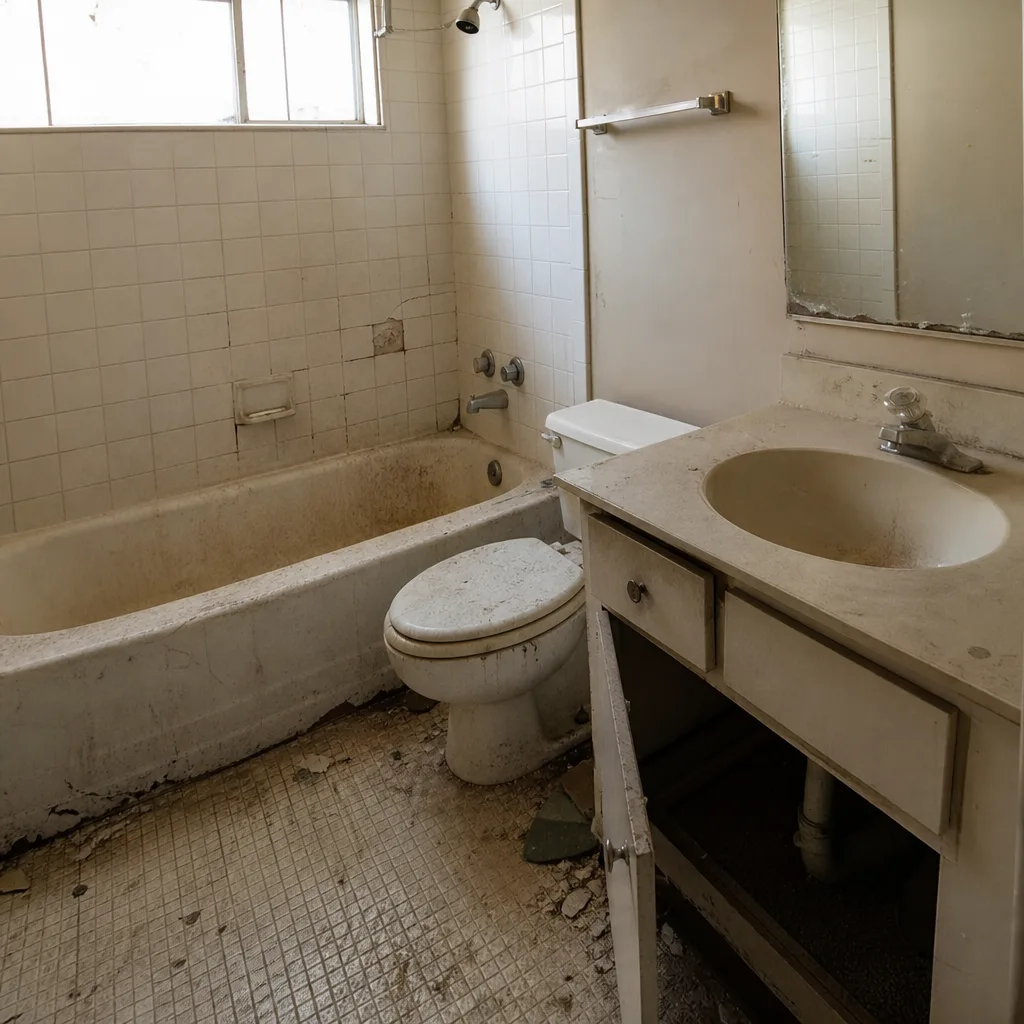 Before
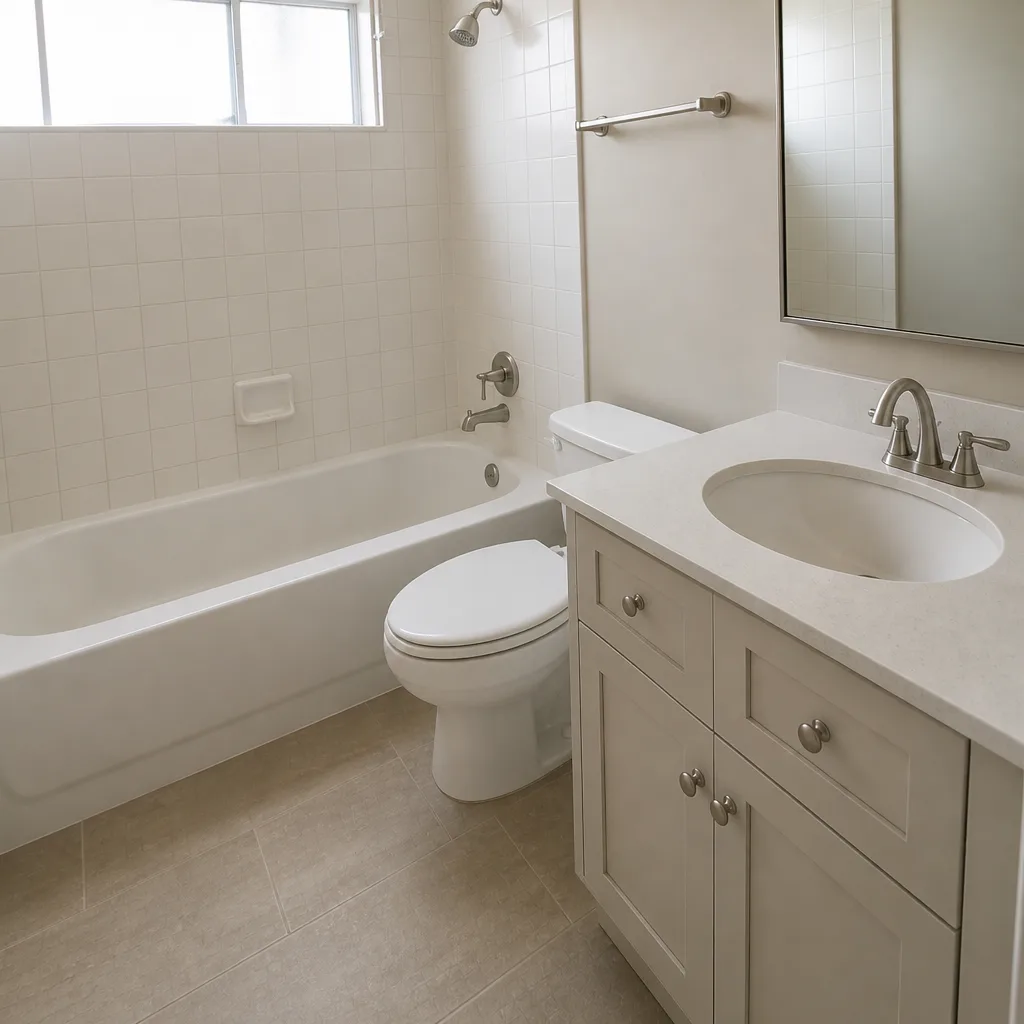 After
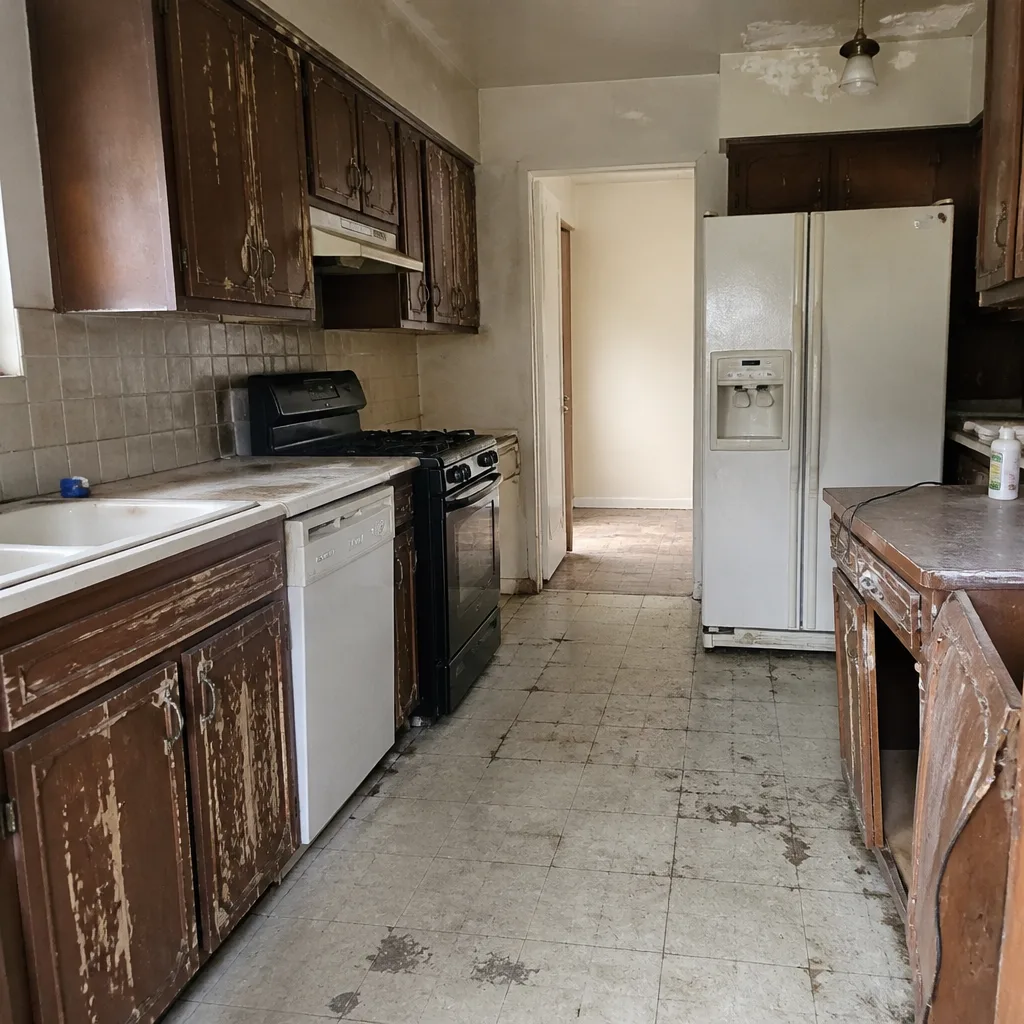 Before
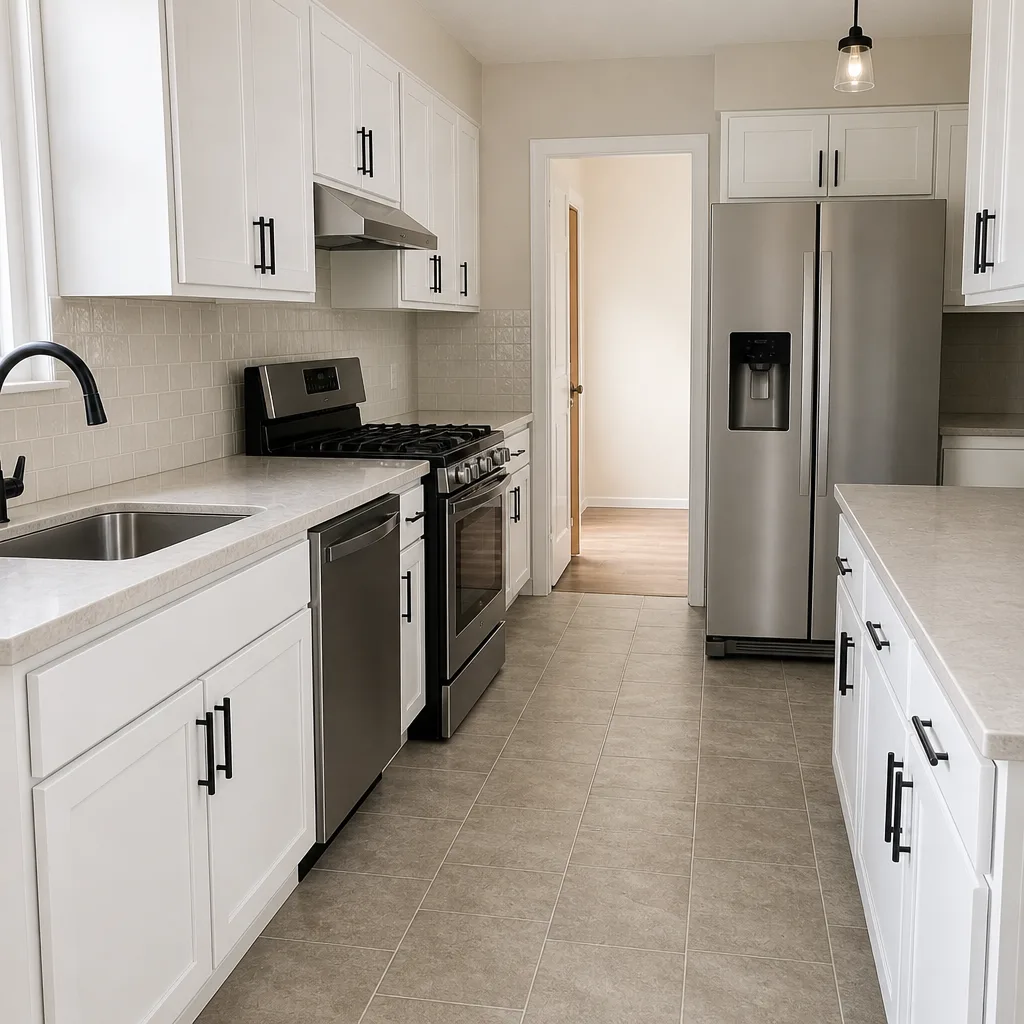 After
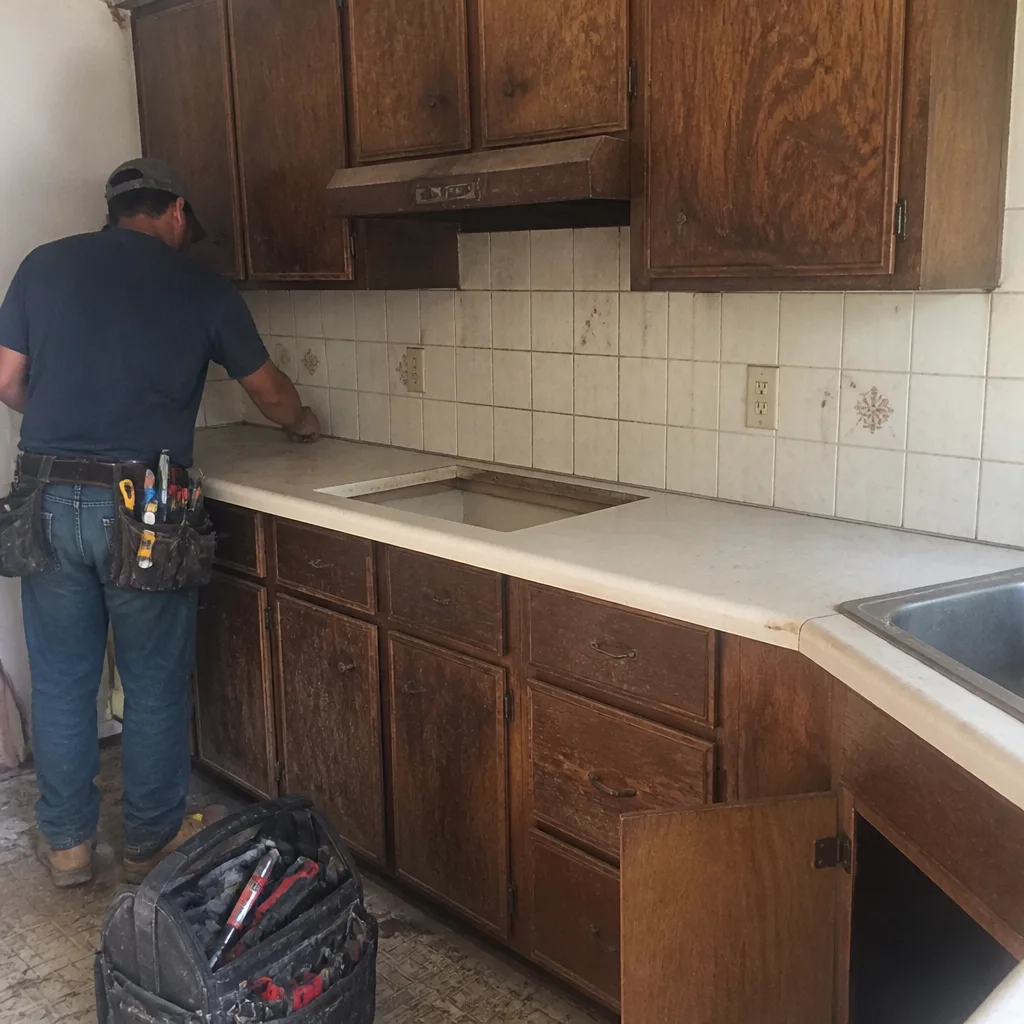 Before
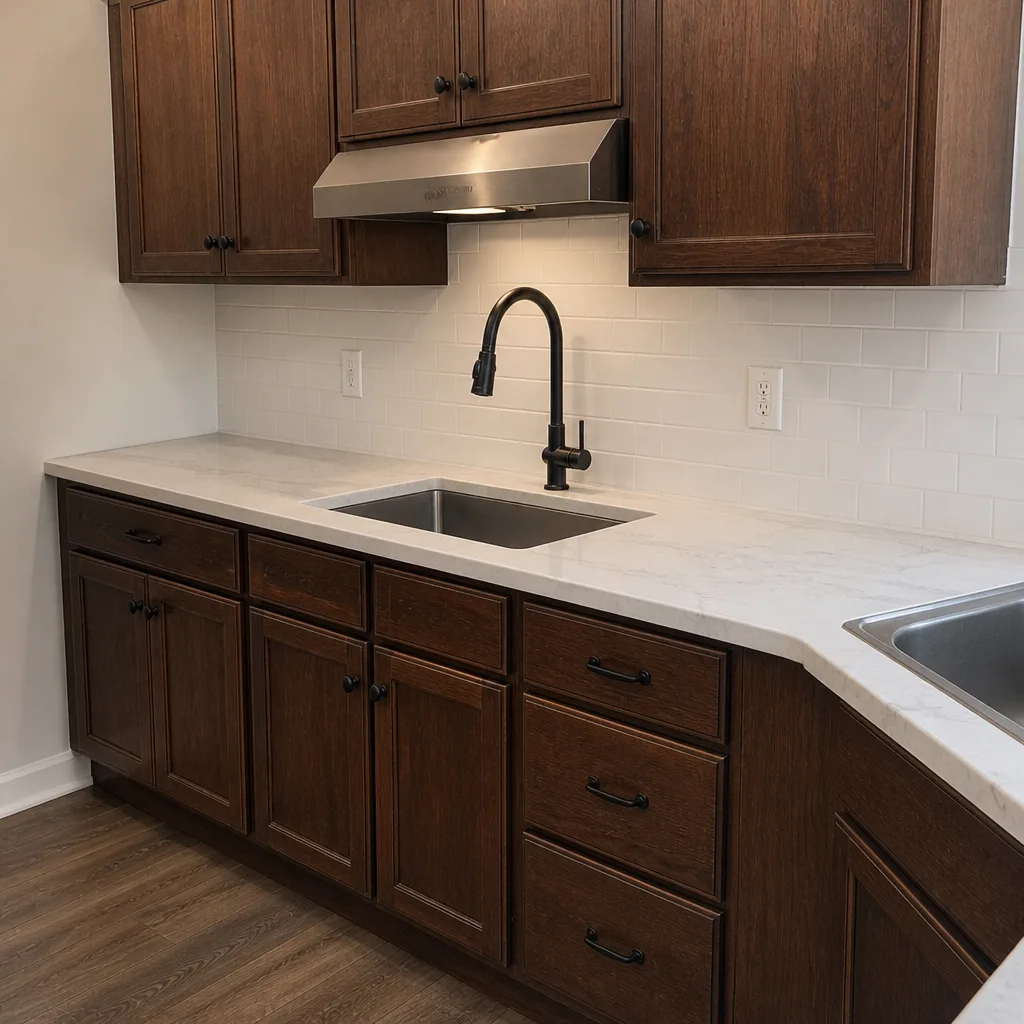 After
When to Call a Professional
The moment a project crosses the line into structural work, plumbing changes, electrical work, or any finish where water and weight are involved, it’s time for a licensed professional. Tile installation over a poorly prepped substrate fails in months. Cabinet installs that miss the studs by an inch sag within a year. Plumbing changes in an older Irving home with original galvanized lines are not a weekend job. And a kitchen or bathroom remodel that doesn’t pull permits will be a problem when you sell the house. In each case, the cost of getting it wrong on the first try is higher than the cost of hiring someone who’ll do it right. Penhallow Remodeling Irving offers free estimates in Irving – call (844) 320-5939 to schedule yours, and you’ll get a written price before any work starts. If you’re weighing a bathroom or kitchen project specifically, our bathroom remodeling in Irving and kitchen remodeling in Irving pages walk through the details.
Frequently Asked Questions

The single biggest red flag is a verbal estimate that “firms up after demo.” Once you hear that phrase, the number on day one isn’t real, and you have no protection when it changes. Get a written price with line items before any work starts, and if a contractor can’t or won’t provide one, move on. Call (844) 320-5939 for an exact quote – estimates are free.
A reasonable deposit in Texas covers your specific materials and mobilization – not the majority of the job. On a typical Irving kitchen or bathroom remodel, that means a deposit sized to the cabinet and countertop order, followed by progress payments tied to defined phases, with a final payment held until the punch list is closed. If a contractor asks for more than half the project upfront, ask why. Call (844) 320-5939 to schedule your free estimate and see a written price structure before you commit.
Ask for the license number in writing, then look it up on the Texas Department of Licensing and Regulation (TDLR) online license search. You’re looking for “Active” or “Current” status, a valid expiration date, and any disciplinary history worth reading. Also confirm that the electrician, plumber, and other specialty subs on your job are licensed too – the general contractor’s license doesn’t cover theirs. Call (844) 320-5939 to ask about our licensing and permitting process for your Irving project.
It shouldn’t, and with a good contractor it won’t – unless you change the scope. A written price before any work starts, with line items and defined allowances, is how you keep the number on day one the same as the number on the invoice. The change-order clause in the contract is where you find out whether changes get priced and approved before they happen or billed after. Call (844) 320-5939 for a free estimate with a written price you can hold us to.
A real guarantee covers labor, not just materials. Materials warranties come from the manufacturer – Cambria and Silestone countertops carry their own coverage, and KraftMaid and Wellborn cabinetry carry theirs – so a contractor’s “guarantee” that only covers materials is just repeating what the manufacturer already promised. What matters is the labor and workmanship side: if the tile cracks or the cabinet fails inside the guarantee period, does the contractor come back and fix it at no charge? Ask that question on the first call. Ours is a 365-Day Done Right Promise, backed in writing on every project. Call (844) 320-5939 for details.
Yes, for anything that touches plumbing, electrical, structural, or the footprint of the room. A bathroom remodel that moves a shower drain, adds a GFCI outlet, or relocates a wall needs permits through the city’s Development Services office, with inspections at rough-in and finish stages. A contractor who says permits aren’t needed for “a simple bathroom” is telling you they don’t plan to pull them. Call (844) 320-5939 to ask how we handle permits on Irving projects.
The Bottom Line
The red flags that predict a bad contractor experience are almost always visible before work starts. They show up in the verbal estimate that firms up after demo, the deposit that clears the way for the next job, the license that expired eight months ago, the contract clause that shifts risk to you, and the phone that never gets answered. Learn to recognize those five signs and you’ll avoid most of the pain that homeowners in Irving call us about. The good contractors protect you, and they do it in writing, before a tool comes out of the truck. For guidance on your project, see our Penhallow Remodeling Irving home page. Ready for a written price and a written guarantee before work starts? Call (844) 320-5939 to schedule your free estimate.
Written by the team at Penhallow Remodeling Irving.