Last updated November 17, 2026





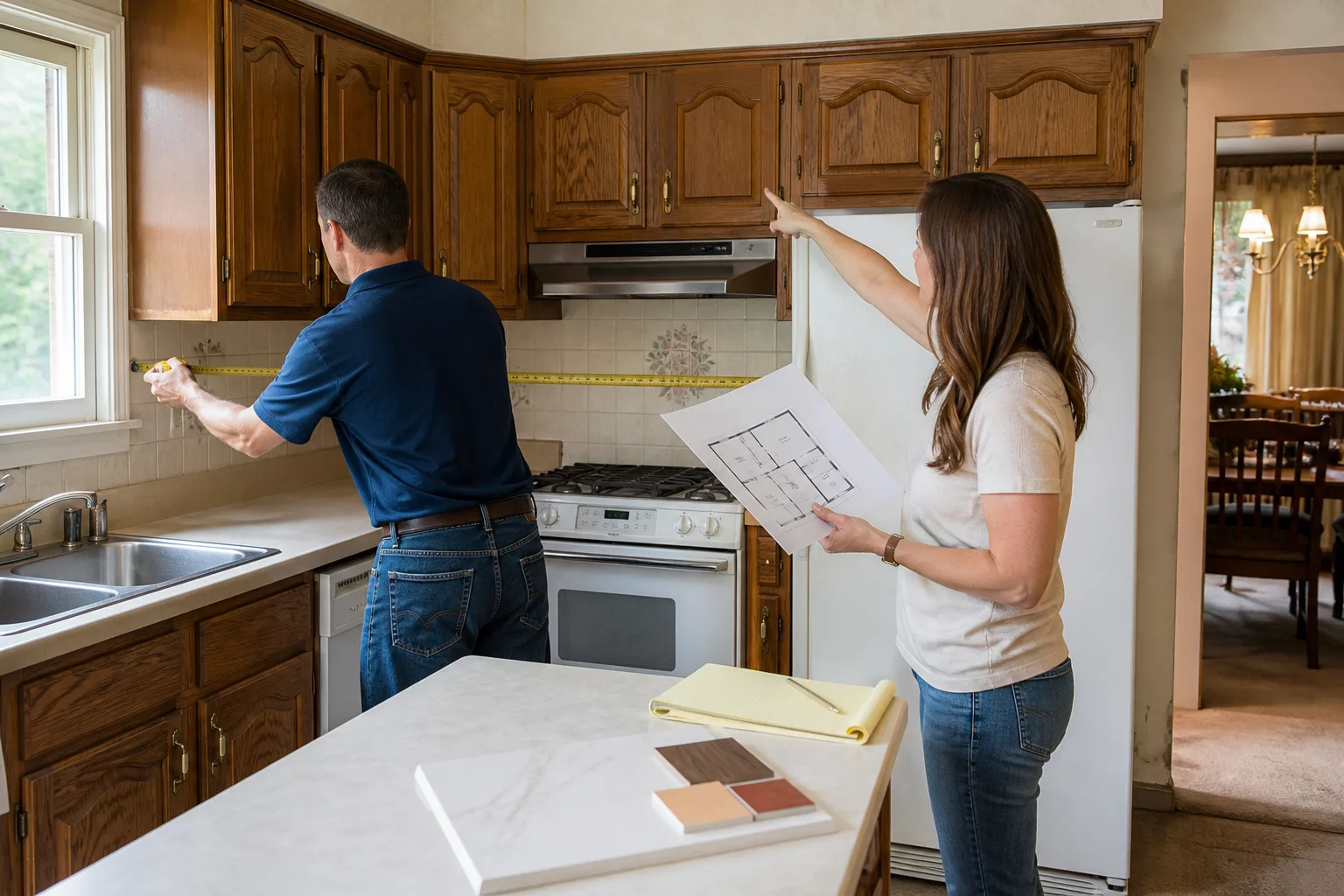
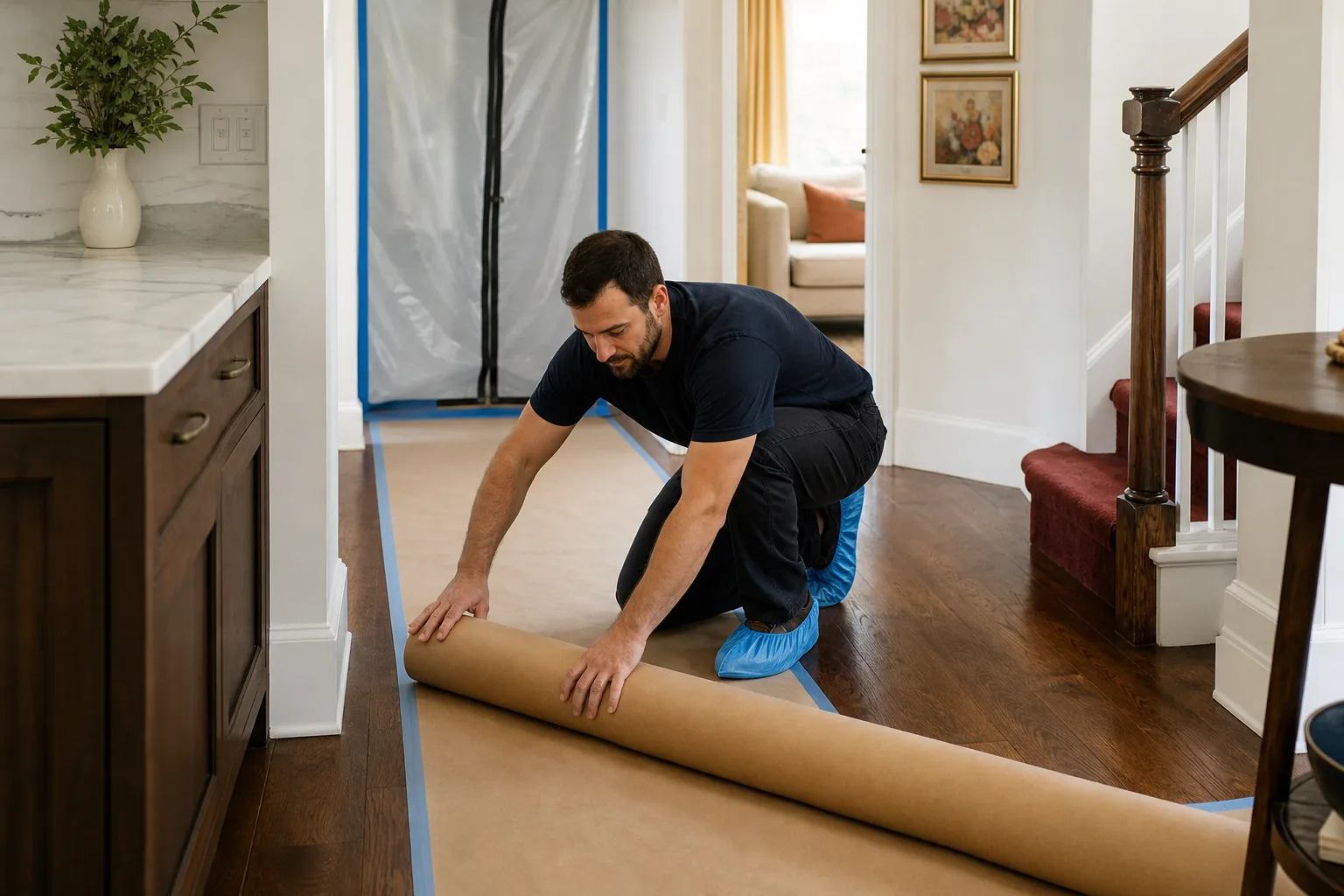
Free written scope consultation - allowances, timeline, and change-order rules on paper before a single trade is scheduled
DIY vs Professional Construction: The Irving Homeowner’s Decision Guide
A Texas homeowner lost a $4,200 insurance claim on water damage because the tile that failed had been installed without a permit, and in Irving the permit for that work has to be pulled by a licensed contractor, no matter who swings the trowel. That’s the part most DIY-versus-pro arguments skip. Skill gets debated endlessly; liability, insurance, and resale disclosure get ignored, and those three things decide more outcomes than steady hands ever will. This guide lays out the Irving jobs you can genuinely handle, the ones you can’t pull a permit for, how to estimate true DIY cost, and how to structure a hybrid project where you do the demolition and a licensed contractor handles the permitted scope. By the end, you’ll have a clear decision for your own house.
Quick Answer
In Irving, the DIY-versus-hire call comes down to permits, insurance, and resale rather than skill. Painting, trim, and demolition are realistic DIY work; anything involving plumbing relocation, electrical, gas, structural changes, or the wet layers behind tile and siding requires a licensed contractor on the permit in most Irving jurisdictions. Do the work yourself only where no permit is required, the failure mode is cosmetic rather than destructive, and your insurer and future buyer won’t care. For everything else, a written professional estimate with a guarantee is usually the cheaper total number.
Styles & brands we work with
- Kitchen remodeling
- Bathroom remodeling
- Home additions & ADU
- Roofing
- Windows & doors
- Driveway & pavers
- Fence
Table of Contents
- The Permit Reality in Irving: Where DIY Stops Being Legal
- What Unpermitted Work Does to Your Insurance and Resale
- An Honest Capability Framework: What DIY Handles Well
- How to Calculate the True Cost of DIY
- The Hybrid Approach: Demo Yourself, Permit the Rest
- A Four-Step Decision Process for Your Project
- What a Written Professional Estimate Should Contain
- Irving Specifics: Climate, Soil, and Housing Stock
The Permit Reality in Irving: Where DIY Stops Being Legal
Texas doesn’t license general contractors statewide, which leads a lot of homeowners to assume anyone can legally do anything. That assumption runs into city code, and in Irving the code governs. Whether you need a permit depends on the scope of work, but here’s the practical split we see in the field. Roofing, structural work, electrical, plumbing, and mechanical require a licensed professional and a permit in most Irving jurisdictions. Homeowners can sometimes self-pull for minor cosmetic work, but the inspection still requires licensed sign-off on those protected categories. Do your research on this: it determines what you can legally do yourself and what you can’t.
Here’s how it tends to break down by trade, based on what we encounter on Irving jobs:
- Electrical panel work, new circuits, and outlet relocations: licensed electrician, permit required. Never DIY in Texas.
- Gas line work and water heater replacement: licensed plumber, permit required, inspection required.
- Sewer and drain line work, plumbing relocations: licensed plumber, permit required.
- Structural alterations, load-bearing wall changes, and foundation work: licensed engineer or contractor, permit required.
- Bathroom and kitchen remodeling: depends on scope. A simple cosmetic refresh often doesn’t need a permit; relocating a sink or adding a shower usually does. Tile replacement on existing substrate typically doesn’t require one, but waterproofing failures behind it are the costly side.
Even if you’re qualified and the work passes inspection, the inspection has to be done by a licensed contractor. That’s the trap.
What Unpermitted Work Does to Your Insurance and Resale
Insurance companies care about licensed work. That’s not a scare tactic, it’s the actual policy language. Standard homeowner policies in Texas exclude water damage caused by improper installation or construction, and when an adjuster finds out the tile shower was installed without a permit, the claim can be denied. In our experience, adjusters routinely ask for permits and contractor lists when a claim involves work that was recently redone.
On the resale side, Texas residential contracts use a disclosure form and most real estate transactions in Irving use the standard Texas Property Code Section 5.008 form. That form asks sellers to disclose any unchecked problems and any defects in the property. Home inspectors in Irving are also attentive to permit history, and title companies can flag unpermitted work against the property. Unpermitted or DIY work can turn into a negotiation hit at closing, or a failed sale. A $4,000 tile job that lacked a $400 permit can cost you $10,000 in last-minute concession.
If you’re planning a project and you plan to sell within a few years, run this test: will a future buyer’s inspector flag this work, will a future buyer’s insurer deny a claim on this work, and will a future lender care? If any answer is probably yes, the licensed route is cheaper.
An Honest Capability Framework: What DIY Handles Well
DIY is the right call for a narrower set of jobs than most homeowners think, but it’s genuinely right for those. The dividing line isn’t skill, it’s failure mode. If the work can fail and cause damage behind the finish – water intrusion, mold, structural movement, fire – you want a licensed contractor. If the worst outcome is a slightly crooked caulk line and you can see it, DIY is reasonable.
Here’s an honest breakdown we use with Irving clients:
- Interior painting and trim: DIY handles this well. Color matching, prep, and patience matter more than a license; the worst outcome is repainting. Texture matching on drywall patches is the hard part for most homeowners.
- Tile installation: skill and substrate knowledge matter far more than most homeowners realize. Cement board or a proper waterproofing membrane (like Kerdi or a painted membrane system), the right thinset, and good slope-to-drain waterproofing make or break a shower. Shower tile is a “get it professionally” job; floor tile in a dry room is a reasonable DIY.
- Flooring: floating LVP and carpet can be DIY, but you need the right tools, expansion gaps, and floor-leveling prep. Hardwood is a licensed installer job.
- Framing, electrical, plumbing, and gas: never DIY, even if you’ve watched a lot of YouTube repairs. These are the failure points that burn the house, flood it, or kill someone.
- Countertops: fabrication and cabinet-leveling are a pro job. Don’t try to cut Cambria or Silestone yourself. Quartz and granite need wet-sawing and precise edge fabrication.
If you want a specific starting point on a project that matters, our kitchen remodeling in Irving team can walk you through where your current plan sits on that line.
How to Calculate the True Cost of DIY
The DIY budget rule of thumb we use: multiply your material cost by 1.5, add tool rental, add your own time at a realistic rate, and add half again for the rework most DIYers do at least once on any project involving finish work. That’s before the permit or the insurance risk, which isn’t cost until it is – and when it is, it’s large. Here’s the formula:
- Material cost: the visible number, and ironically the smallest line on the true cost sheet.
- Tool rental: $200 to $600 typical for a weekend project. Tile saw, demo hammer, drywall lift, and floor nailer can add $200 in rental fees alone.
- Your time: at an honest substitute rate, like what you’d charge a client or what a friend would charge you for the same hours.
- Rework rate: add 15 to 30 percent of the material cost, depending on your experience. We see this play out on tile jobs: the first attempt is often the practice run.
- Permit and inspection: yes, even DIY work that requires a permit needs the permit. And in Irving, that means a licensed contractor in many cases, which closes the loop.
- Risk premium: a rough number for the probability of a failure event times the cost of that failure. A shower worth $6,000 to fix is a substantial premium.
Then compare to the written professional estimate, including what’s covered under it. A written price with a 365-Day Done Right Promise that covers failure inside the first year changes the math considerably. Add up the true DIY cost against a written number and the gap often isn’t as wide as it looks.
The Hybrid Approach: Demo Yourself, Permit the Rest
Here’s the approach we actually recommend to a lot of Irving homeowners who want to control cost without compromising the whole project’s insurability. You do the demo, the hauling, and the finish work (paint, trim, hardware, and install of the fixtures we’ve already set), and the licensed contractor handles everything permit-relevant. That way you keep the meaningful labor cost savings, and the permit, inspection, and licensed trades stay clean.
Structure it in writing. A clean hybrid contract includes these clauses:
- A clear description of which scope the homeowner is responsible for and which scope is licensed and contracted.
- An agreement on who pulls the permit and who is the “responsible party” on the permit.
- A schedule for the two phases (yours and theirs), so the project doesn’t sit for a month with drywall open.
- A warranty acknowledgment: the contractor’s guarantee covers the contractor’s scope, and you accept responsibility for any damage to that scope caused by homeowner work.
- A clean site agreement – which is where The Kingswell Way phrase “leave the place cleaner than we found it” earns its keep on the demo heavy projects.
The rule of thumb: whatever has a permit attached to it should be the contractor’s scope, full stop. That’s what makes the hybrid worth doing. If you want help scoping a hybrid project, our general contractor in Irving page covers how the coordination and permits typically work on a combined job.
A Four-Step Decision Process for Your Project
We use a four-question sequence with Irving homeowners to answer DIY vs. hire quickly. Work through these in order and stop at the first “no.”
- Does this require a permit in Irving? If yes, DIY stops here. Hire a licensed contractor and let them pull the permit. That’s a legal question, not a skills question. Check the City of Irving permit office for the specific scope.
- Can a failure hurt the house or a person? Water behind tile, a gas leak, an electrical overload, or a structural sag: hire. The cost of one failure event typically exceeds the entire project estimate.
- Can your insurer or a future buyer’s inspector see it? Exposed plumbing, exposed electrical, unpermitted finish work. If a future claim or closing inspection would reject it, licensed route.
- Is the worst outcome cosmetic and reversible? Then DIY is genuinely in play. Painting, trim, hardware, cleanup, and demolition (with care) fall here.
If you’d like a professional second opinion on where a specific project lands, bathroom remodeling in Irving and kitchen projects are where the answer most often flips from DIY to hire, because the failure mode is behind the wall.
What a Written Professional Estimate Should Contain
If you’re going to hire, you want a written price, not a verbal range. The phrase “the number on day one is the number on the invoice” is the standard we hold ourselves to, and it’s what you should hold every contractor in Irving to. Here’s what a legitimate written estimate contains:
- Line-item scope: each task with labor and materials separate, not a lump-sum number.
- Permit handling: who pulls the permit, and whether permit and inspection fees are included or reimbursable.
- Material brands specified: “KraftMaid cabinet” not “cabinet”; “Moen” not “faucet.” The brand behind the work is the brand behind the guarantee.
- Arrival window: a defined window, not a placeholder time.
- Guarantee terms: the length, what it covers, and exactly what happens if it fails. Ours is a 365-Day Done Right Promise in writing on every project, plus a written guarantee on every repair.
- Payment schedule: tied to milestones, not to a lump sum at the start.
- Change-order process: how surprises (framing rot, hidden plumbing) are priced and approved before work continues.
Ask for the estimate in writing before any demo work begins. Not a verbal ballpark. A number you can hold the contractor to. That’s the whole test.
Irving Specifics: Climate, Soil, and Housing Stock
Irving’s housing stock and climate add their own wrinkles to the DIY decision. Soils in this part of North Texas tend to be expansive clay, which means foundation movement is a real concern. Mostly cosmetic on drywall, but a DIY foundation “fix” turns into a structural claim fast. Roofs see hail-season damage that most everyone in Irving tries to self-repair, and water gets into places that a permit-tracked installation would have caught. And unlike a lot of places, Irving’s temperature swings in spring and fall create condensation on under-insulated surfaces that many homeowners mistake for leaks – and reach for DIY fixes that don’t address the actual moisture source.
We’ve seen more than one Las Colinas or Valley Ranch townhome where a DIY bathroom tile job failed within the first wet season. The substrate wasn’t right or the waterproofing membrane didn’t overlap correctly at the corners. Water quietly made its way into the substrate, the curb leaked, and the fix involved a full tear-out of the shower. If you want a proper install with the guarantee to back it up, our team installs Cambria quartz and cabinets from brands like KraftMaid and Wellborn, and every project comes with the written price and written guarantee in place before any work starts.
If you’re ready to price a project or you want a professional sanity check on a scope, call us at (844) 320-5939. The estimate is free.
Common Mistakes to Avoid
- Skipping the permit “because I know a guy.” If the work is later inspected or flagged, the headache lands on you, not the guy.
- Assuming “no permit needed” is a legal statement. It’s usually just a reading of a website. Call the City of Irving permit office and confirm the scope before picking up a tool.
- Not pricing the waterproofing properly. DIY shower tile jobs often fail because the membrane and curb aren’t done right. The re-tile cost usually runs three times the original material cost.
- Under-budgeting failure. The original DIY estimate almost never includes the second round of materials after the first attempt goes wrong.
- Ignoring insurance implications. Most homeowners don’t know until the claim is denied that the installer was unlicensed.
- Not putting the hybrid agreement in writing. A verbal “I’ll do the demo” agreement is a warranty claim waiting to happen.
- Buying materials from the cheapest source without checking the guarantee. A discount cabinet that fails inside two years may void the manufacturer’s guarantee, and the brand on the box matters.
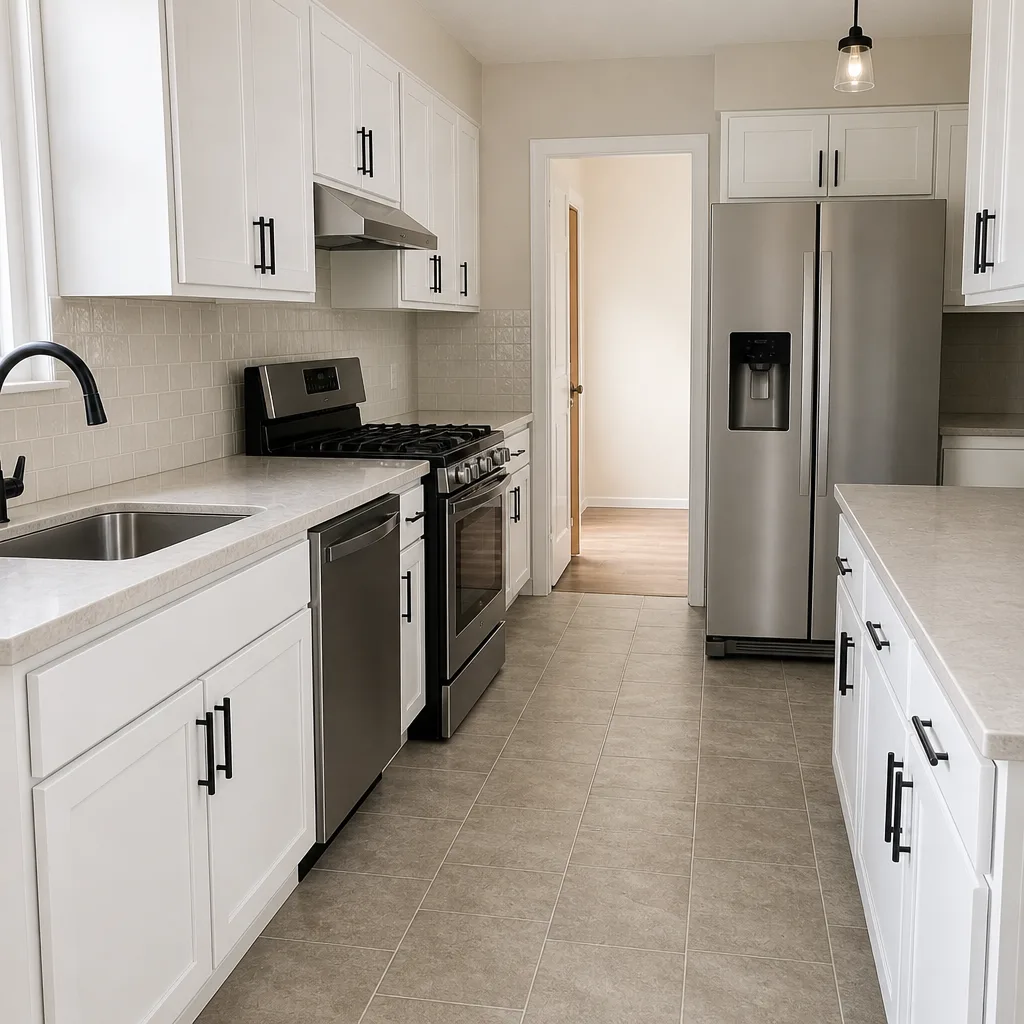
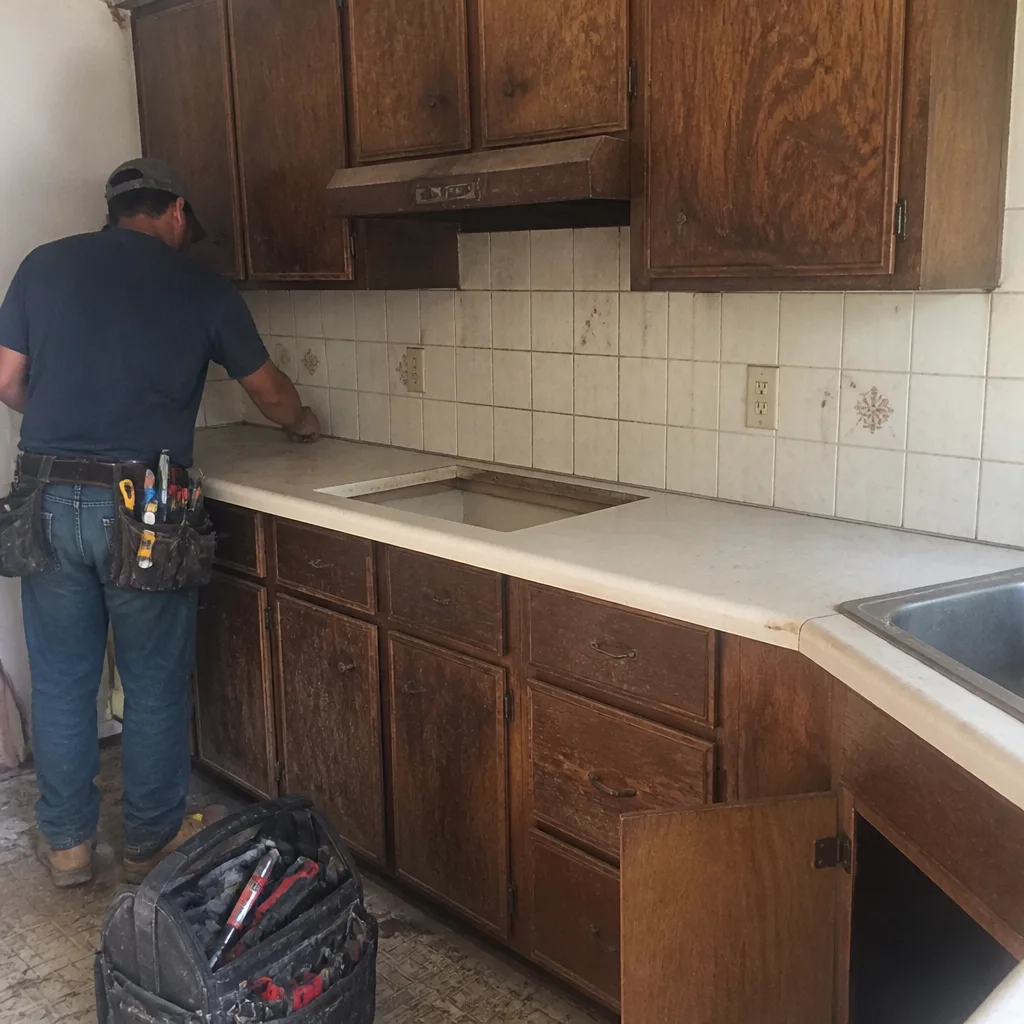
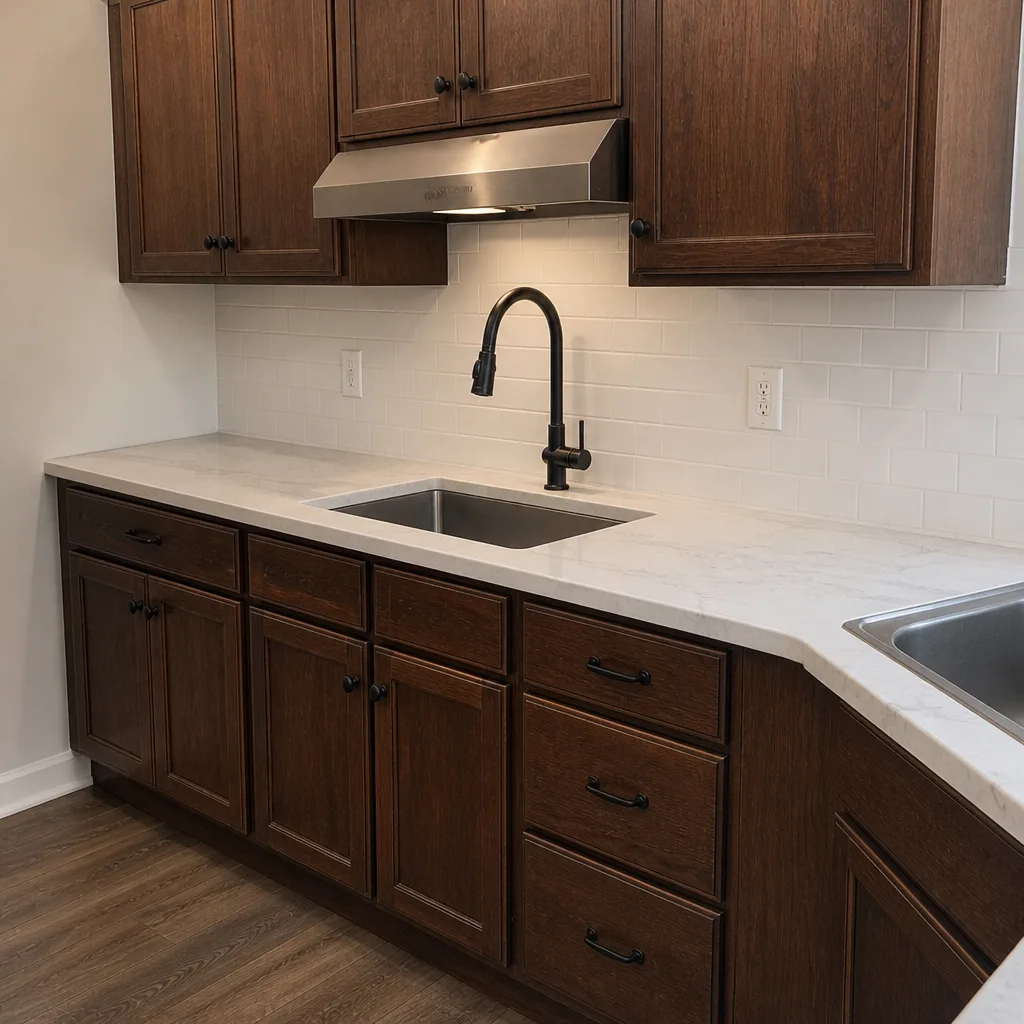
See the difference
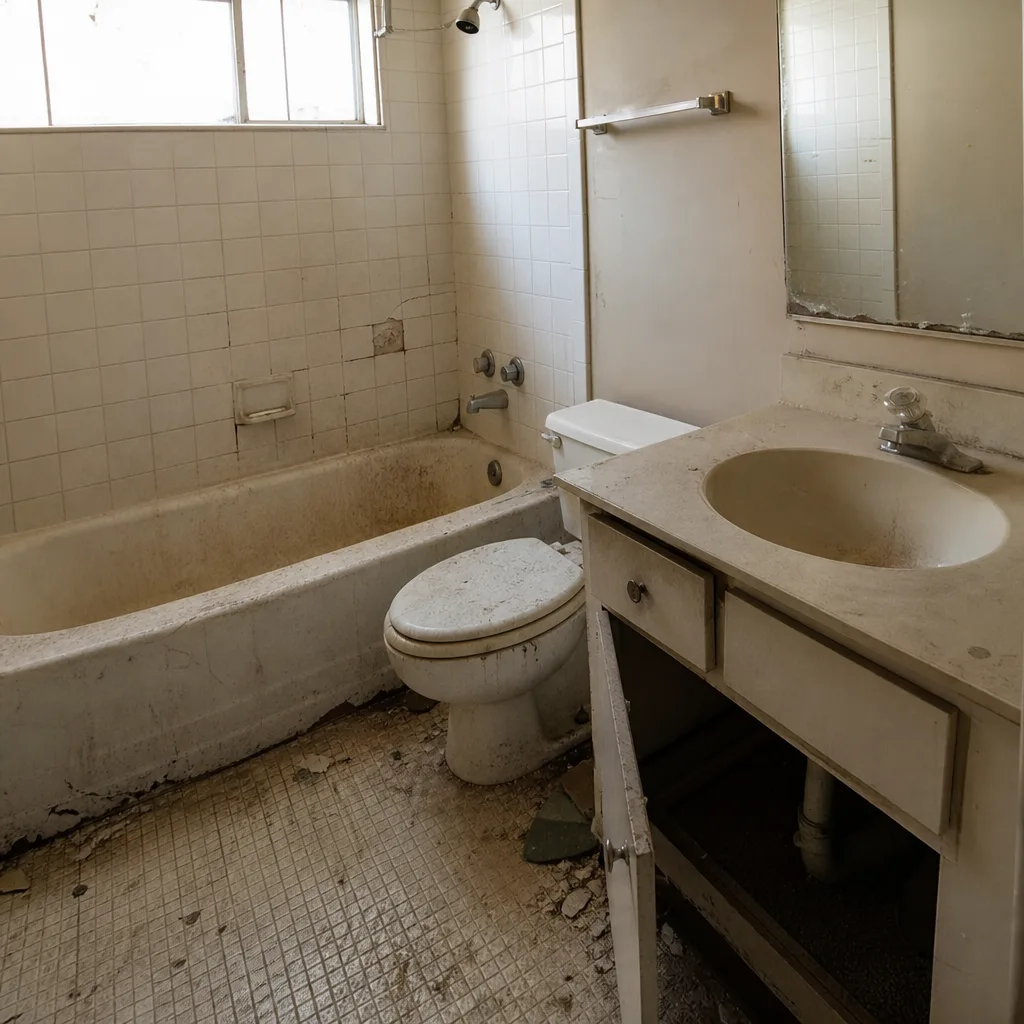 Before
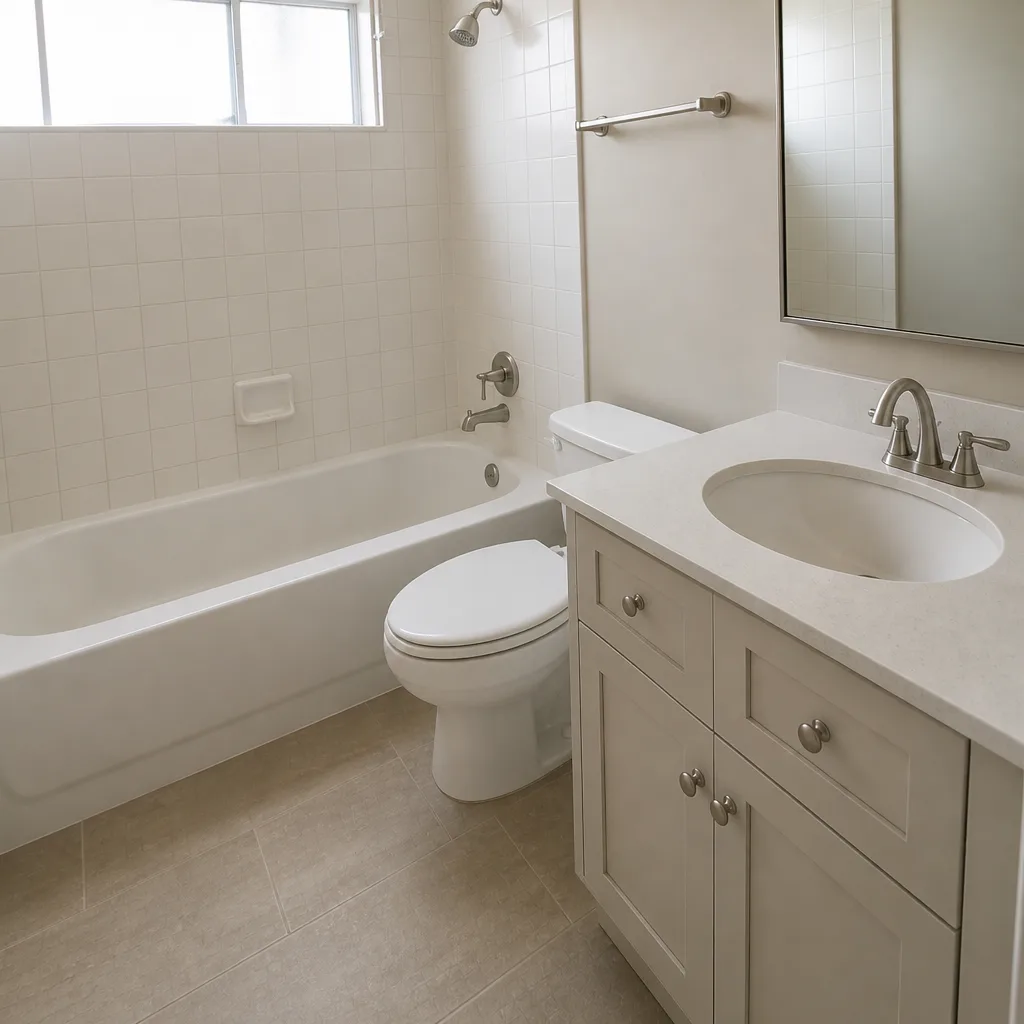 After
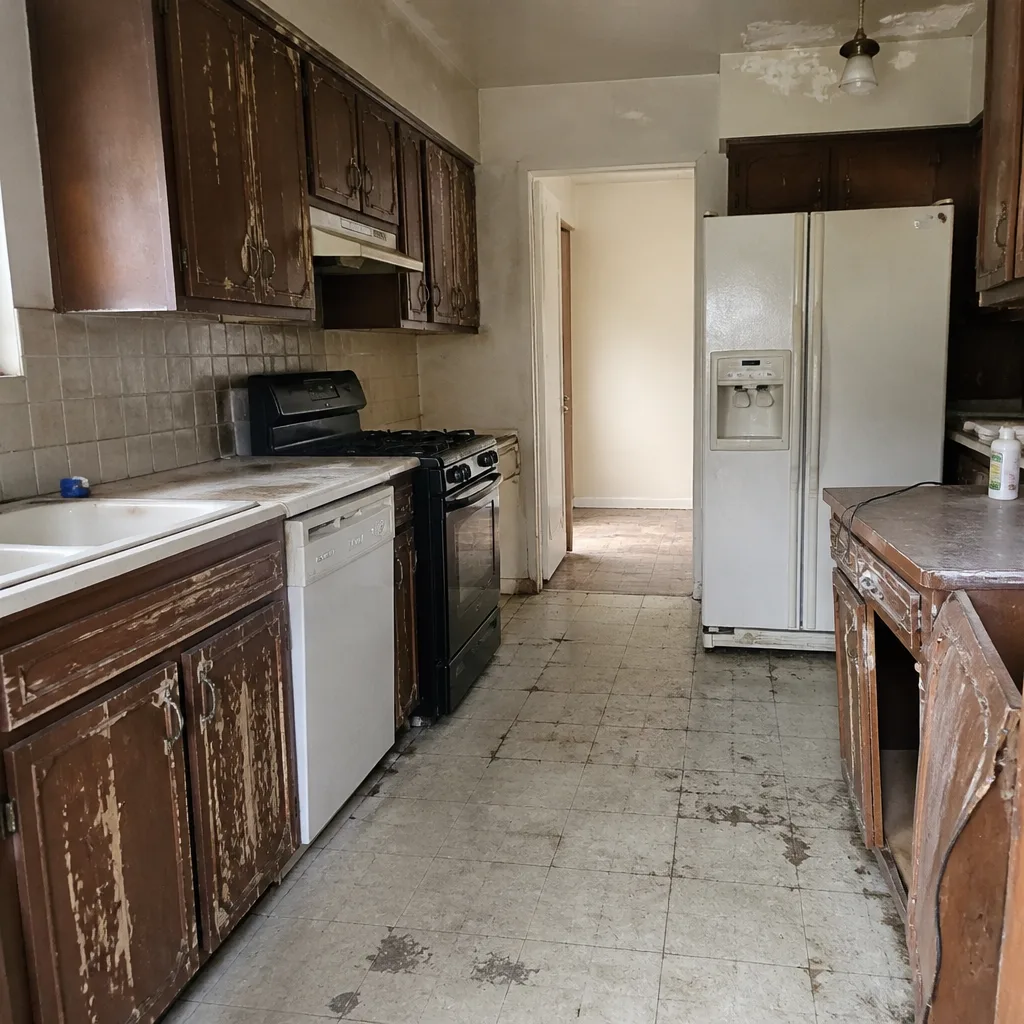 Before
 After
 Before
 After
When to Call a Professional
Call a licensed contractor whenever the work intersects a permit, a licensed trade, or a failure mode you can’t see. In practical Irving terms that means bathroom or kitchen work that moves plumbing or electrical, any shower or wet-area tile where the substrate and waterproofing are part of the job, structural changes, roofs, siding, and any project that’s moving fixtures or expanding a footprint. It also means calling when your project is going to be sold in the next five years and you don’t want the inspection to become a negotiation. If you’re in that group, our team of technicians brings up to 22 years of experience and will walk the scope with you. Penhallow Remodeling Irving home has all the details on how we run projects, and we offer free estimates in Irving – call (844) 320-5939 to schedule yours. A live person answers, day or night.
Frequently Asked Questions
Sometimes, but only for cosmetic work that doesn’t involve licensed trades or structural changes. Painting, trim, drywall patching in dry areas, and hardware swaps typically don’t require a permit in Irving. Bathroom or kitchen remodeling that moves plumbing or electrical almost always does, and a licensed contractor has to be on the permit in most cases. Always call the City of Irving permit office to confirm the specific scope before starting – a phone call takes five minutes, and it’s the difference between a covered claim and a denied one. Call (844) 320-5939 if you’d like our take on your specific project.
Most Texas homeowner policies exclude water damage from improper installation. If the shower was installed without a permit or by an unlicensed installer, the insurance company can deny the claim when it discovers that. That’s not a scare tactic – it’s the actual policy language. We’ve seen this exact scenario play out in Irving. Call (844) 320-5939 for an estimate on a licensed installation, or a second opinion on a shower that’s already installed.
Material costs are similar either way – the difference is in the invisible costs of DIY. A weekend tile job might cost $1,200 in materials and $600 in tool rental, plus 30 to 50 hours of time, plus a 15 to 30 percent rework rate on the first pass, plus the permit liability and the potential insurance risk. The written professional estimate typically comes in within 20 to 40 percent of that total DIY number, but includes the permit, the inspection, the workmanship guarantee, and the resale protection. For a free written estimate, call (844) 320-5939.
It can, and it often does. Texas Property Code Section 5.008 requires sellers to disclose defects and unchecked problems. If unpermitted work is on the property, a home inspector and the buyer’s lender will flag it during the transaction. It can cause a sale to fall through or result in a large negotiation concession. Call (844) 320-5939 if you’re planning to sell in the next few years and want to schedule a licensed scope review.
A hybrid is legal when the contractor’s scope includes everything permit-relevant, and your scope is limited to demo, finish, and non-permitted tasks. In writing, that means the contractor pulls the permit, the licensed trades stay on their scope, and you accept responsibility for the homeowner-scope work. It’s a popular arrangement for Irving homeowners who want to keep the labor savings without putting the permit and insurance at risk. Call (844) 320-5939 for help scoping a hybrid project.
Yes. Every Penhallow project that needs a permit has the permit pulled before work starts, and the inspection is scheduled as part of the schedule. That’s part of the Kingswell Guarantee: written price before work starts, a defined arrival window, a clean job site, and a written guarantee on every project. Our technicians are background-checked and arrive in uniform, and every project carries a 365-Day Done Right Promise in writing. Call (844) 320-5939 to set up a free estimate.
The Bottom Line
The DIY-vs-professional decision in Irving is less about whether you can swing a hammer and more about whether the work touches permits, insurance, or the resale value of your home. The framework we use: if a permit is required, if a failure can hurt the house or a person, or if a future insurer or buyer would reject the work, then it’s a professional job. Painting, trim, hardware, and demolition are genuinely in the DIY zone. Everything else comes down to that test. Compare a real DIY total against a written professional estimate before you decide. When you’re ready to price it, call Penhallow Remodeling Irving at (844) 320-5939 for a free estimate. Written price, written guarantee, defined window, live person on the phone.
Written by the team at Penhallow Remodeling Irving.