Last updated November 17, 2026






Free written scope consultation - allowances, timeline, and change-order rules on paper before a single trade is scheduled
DIY vs Professional Home Remodeling: What’s Safe to Do Yourself
A YouTube tutorial can teach you to tile a backsplash. It won’t tell you that an unpermitted electrical change behind that tile shows up as a red flag on a home inspection report years later, and can cost more to fix than hiring the work out would have in the first place. That gap between what you can learn online and what actually follows your house is the whole ballgame. This guide draws a hard line between work that resets easily and work that embeds liability into your walls, so you can decide what’s genuinely safe to take on. We’ve watched plenty of Irving homeowners cross that line by accident, and we’d rather you didn’t.
Quick Answer
Cosmetic work – paint, tile, trim, hardware, fixtures swapped at an existing connection – is usually safe to do yourself if you’re honest about your limits. Work that touches electrical, plumbing, gas, structural framing, or anything requiring a permit is best left to a licensed professional, because a mistake there is expensive to undo and sticks with the house. The deciding question isn’t whether you’re handy. It’s whether a mistake resets easily or follows you for a decade.
Styles & brands we work with
- Kitchen remodeling
- Bathroom remodeling
- Home additions & ADU
- Roofing
- Windows & doors
- Driveway & pavers
- Fence
Table of Contents
- The Three-Tier Decision Framework
- What legally requires a licensed contractor and permit here
- The hidden cost math: when DIY actually pencils out
- How to honestly assess your own skill floor
- What a written guarantee covers that DIY never can
- Why Irving’s climate and housing stock change the answer
- Common Mistakes to Avoid
- When to Call a Professional
The Three-Tier Decision Framework
Most DIY advice lumps every project into “easy” or “hard.” That’s not useful. What matters is recoverability: if you get it wrong, how hard is it to undo? Sort your project into one of three tiers before you buy a single tool.
Tier 1: Cosmetic (Safe to DIY)
These reset with sandpaper, a putty knife, or another coat. Interior paint. Interior door and cabinet hardware. A standard light fixture swapped onto an existing, properly wired box. Caulk and grout touch-ups. Hanging shelves into studs. A tile backsplash over cement board substrate (the moisture-resistant layer behind the tile) is the upper edge of this tier – doable, but only if you accept that a bad job means tearing it out.
Tier 2: The Gray Zone (Depends on You)
Cosmetic in appearance but unforgiving underneath. Hanging a new pre-hung door requires framing that’s actually square. Replacing a faucet is easy until a corroded shutoff valve snaps and floods a cabinet. Laying floor tile is fine until your subfloor has deflection you didn’t account for and the grout cracks in six months. These projects punish optimism, not ambition.
Tier 3: Mechanical and Structural (Professional Required)
Anything inside a wall or under the slab. Electrical circuits, panel work, gas lines, moving plumbing supply or drain lines, removing a wall, cutting a beam, waterproofing a shower pan properly. This isn’t about skill. It’s about codes, inspections, and injury risk. A licensed contractor in Irving pulls the permits and stands behind the result.
What legally requires a licensed contractor and permit here?
In Irving, anything that changes a structure, alters an electrical circuit, moves or adds plumbing, or touches gas generally requires a permit from the city – and permits in these trades require a licensed professional to sign off. Cosmetic work like paint, flooring, and cabinetry that isn’t relocating utilities typically doesn’t. When in doubt, call the city’s development services office and describe the project. They’ll tell you plainly, and it takes five minutes.
The gray area trips people up. Replacing a water heater, adding an outlet for a new range, converting a tub to a walk-in shower, or finishing a garage all require permits in most cases because they involve utilities or structure. A tile job alone doesn’t. A tile job over a rerouted drain does. That distinction is where our general contractor work in Irving starts for a lot of homeowners – often mid-project, after they’ve realized the wall behind the old shower is doing something they didn’t plan for.
Unpermitted work isn’t just a code issue. It’s a disclosure issue at sale, an insurance issue if something fails, and a negotiation chip for a buyer’s inspector. A red flag on a report can cost you real dollars whether or not the work itself is sound.
The hidden cost math: when DIY actually pencils out
DIY saves money on labor. That’s the whole calculation, right? Not quite. The real comparison includes materials waste, tool purchases, your time, and the odds of a redo. Here’s how we’d frame the actual line items for a typical project.
- Labor savings: Real, and often 40-60% of a project total for cosmetic work.
- Materials waste: A beginner tiler wastes 15-25% more tile than a pro. A bathroom’s worth of thinset, grout, and cement board, bought twice, eats the labor savings fast.
- Tool purchases: A wet saw, a tile snapper, a backing pad, a good drill. These add $150-$400 for a one-time job.
- Redo risk: If a job has to come out, you pay for materials twice and your time twice. That’s the real number.
- Failed inspection cost: Remediation is billed at pro labor rates plus the disruption of opening up finished walls. A $300 electrical fix becomes a $2,200 fix after tile and drywall are already up.
DIY pencils out clearly on paint, trim, hardware, and simple tile in a low-moisture area. It stops penciling out the moment a permit or a hidden condition enters the picture. In a market like Irving, where many homes date from the 1970s through the 1990s, “hidden condition” is more common than you’d think.
How to honestly assess your own skill floor
Most people overestimate their readiness by one tier. Not because they’re careless, but because they’ve watched a video that made it look reachable. Use these questions before you commit, not after the materials are on the floor:
- Have you done this exact task once before, at full scale? Watching it and doing it are different jobs.
- If it goes wrong, does it stay wrong? Tile on a wall is recoverable. A shower pan that leaks into a slab isn’t.
- Do you know what’s behind the surface? A 1990s Irving tract home and a 1950s bungalow have different wiring, framing, and plumbing. Know which one you’re opening up.
- Are you comfortable calling a pro mid-project if it turns? Pride is the most expensive tool in the box.
- Would you pay more to avoid doing this again? If yes, the answer is to hire out now.
If you can’t answer “yes” to the first question, treat the project as a tier up. That’s not a reason not to try – it’s a reason to plan for a professional on the mechanical parts. Our team has up to 22 years of experience across kitchens, baths, and whole-home remodels, and we can tell you within ten minutes on a call which tier your project is really in. See how we work in Irving.
What a written guarantee covers that DIY never can
This is the part most DIY guides skip. When a professional remodels your bathroom and something fails – a shower pan leaks, grout cracks, a fixture drips – you call them, and under the 365-Day Done Right Promise, they come back and make it right at no charge. That’s not a favor. It’s a written commitment on the invoice.
Do the same job yourself and the guarantee is you. If the shower pan fails inside the year, you’re the one tearing it out, and the warranty layers that come with quality materials – Cambria quartz countertops carry their own lifetime warranty, for example – often don’t apply to self-install. That’s a detail a lot of homeowners don’t learn until they try to make a claim.
The same logic applies at resale. A buyer’s inspector asks for the contractor or the permit for a recent remodel. If you did the work and can produce neither, the real work gets re-inspected or re-done, and the discount comes out of your sale price. This is one of the reasons we put the written price and the written guarantee in front of you before work starts – so that layer of protection stays with the house, not in your memory.
If you want to understand what a properly covered project looks like, our bathroom remodeling work in Irving and kitchen remodeling in Irving both run under the Kingswell standard: price before work, arrival window committed, written guarantee, clean site. Not one of those is a DIY deliverable.
Why Irving’s climate and housing stock change the answer
Irving sits in the DFW climate zone, where summers hold 100°F-plus for weeks and the soil moves. Both facts change what breaks and how fast. A few patterns we see regularly:
- Foundation movement. Expansive clay soil and summer heat drive slab and pier movement across Irving, and that shows up in drywall cracks over door frames and in tile lines that walk out of level. If you’re tiling a floor in a home near the Las Colinas or Valley Ranch areas, flat doesn’t mean level. Prep matters more than the tile.
- Attic heat. Attics in Irving routinely run 140°F in July. Electrical work up there is not a beginner project – heat, dust, and cramped space are a bad combination.
- Moisture in bathrooms. Without proper ventilation, DFW bathrooms grow mold behind the cement board within a year. If you’re tiling a shower without a vent fan and a properly sloped pan, you’ve built a problem, not a shower.
None of these are reasons to never pick up a tool. They’re reasons to plan around Irving specifically, not around a tutorial filmed in a different climate.
Common Mistakes to Avoid
- Starting demo before you know what’s behind the wall. In older Irving neighborhoods, opening a wall often reveals wire or plumbing that wasn’t on the plan. Open a test hole and check before committing a budget.
- Skipping the permit because “it’s just cosmetic.” Moving a drain or adding an outlet isn’t cosmetic, and inspectors can and do flag it at resale.
- Buying the tile before checking the subfloor. A floor that deflects past L/360 (a measure of stiffness) will crack whatever you set on it. Check first, buy second.
- Attempting shower pan waterproofing without experience. A pan that leaks into a slab is one of the most expensive DIY mistakes we see. This is professional-tier work, not because you can’t learn it, but because the failure is hidden for a year and then very visible.
- Underestimating the vent fan. A DFW bathroom without proper exhaust grows mold. Pick a fan sized for the room, and vent it to the outside, not the attic.
- Reusing old shutoff valves under a new sink. They fail, and a $6 part turns into a floor replacement. Replace them with the fixture, and use quality valves – Moen and Kohler both make fittings that hold up.
- Doing the finish trim before the mechanical inspection. Cover up electrical or plumbing before the inspector signs off and you’ll pay to reopen it.
When to Call a Professional
Call a licensed professional when the work involves electrical circuits, gas lines, plumbing supply or drains, structural changes, shower waterproofing, or any permit. Call one if the project touches a load-bearing wall, if you’re not sure what’s behind the surface, or if the timeline would grind your household to a stop. Call one, frankly, if you’ve had a bad experience before and want the price and the guarantee in writing before anything starts – that’s the standard we hold ourselves to on every job in Irving.
Penhallow Remodeling Irving offers free estimates in Irving. Call (844) 320-5939 and we’ll walk through your project, tell you which tier it’s really in, and put a number in writing if the work is ours to do.
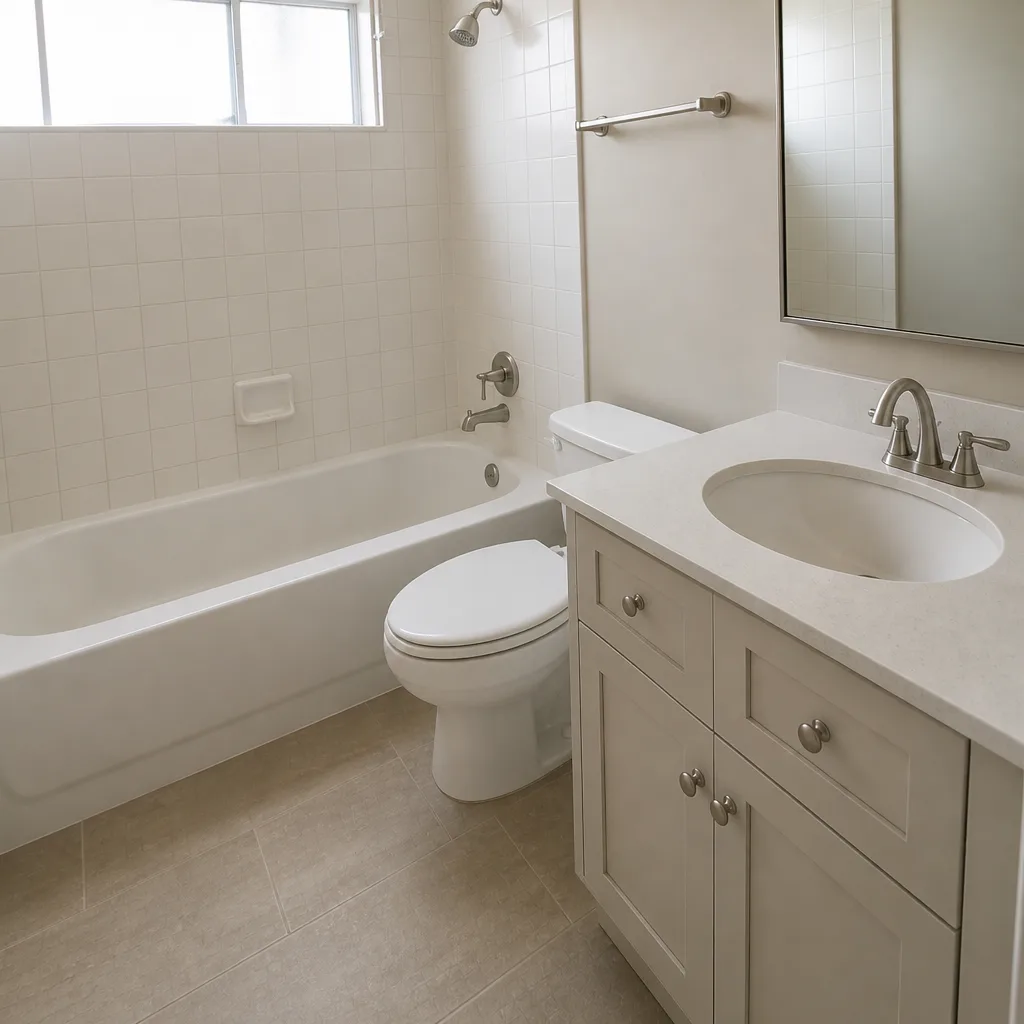
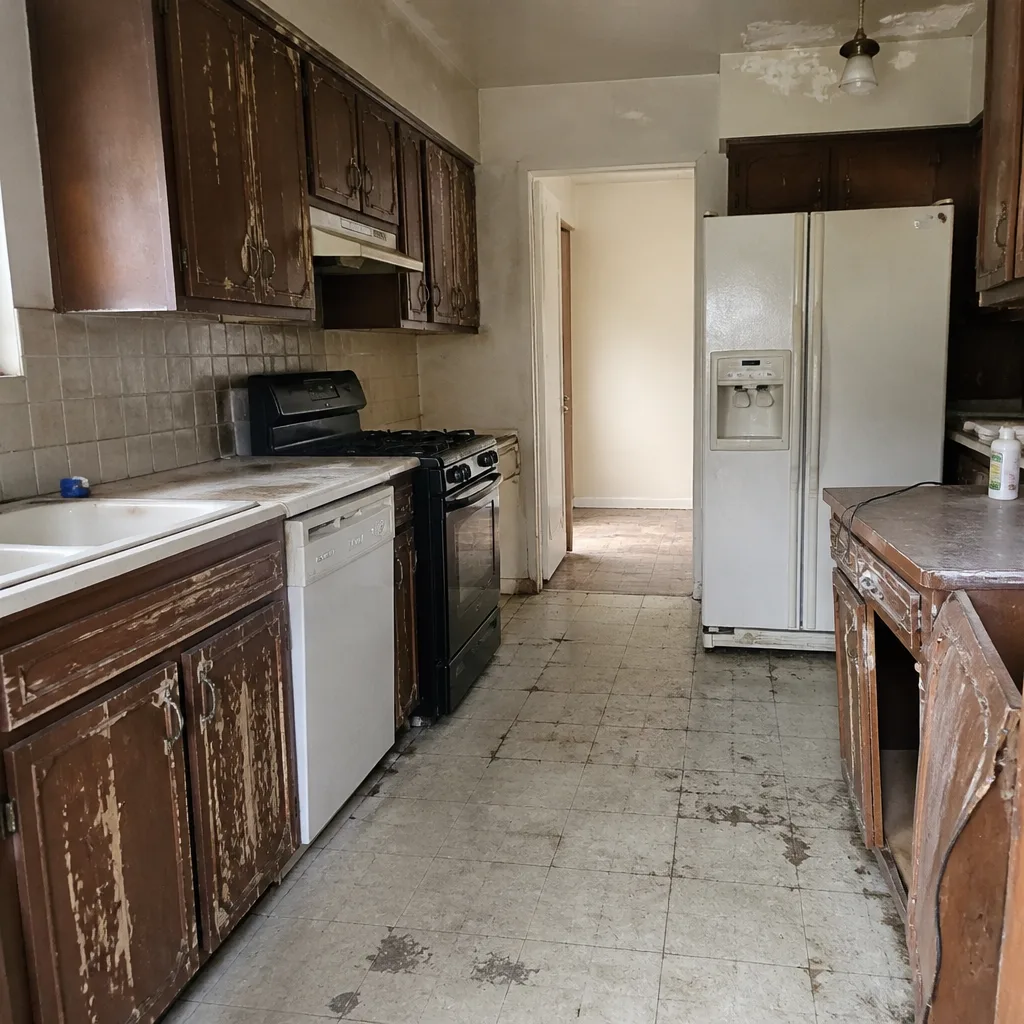
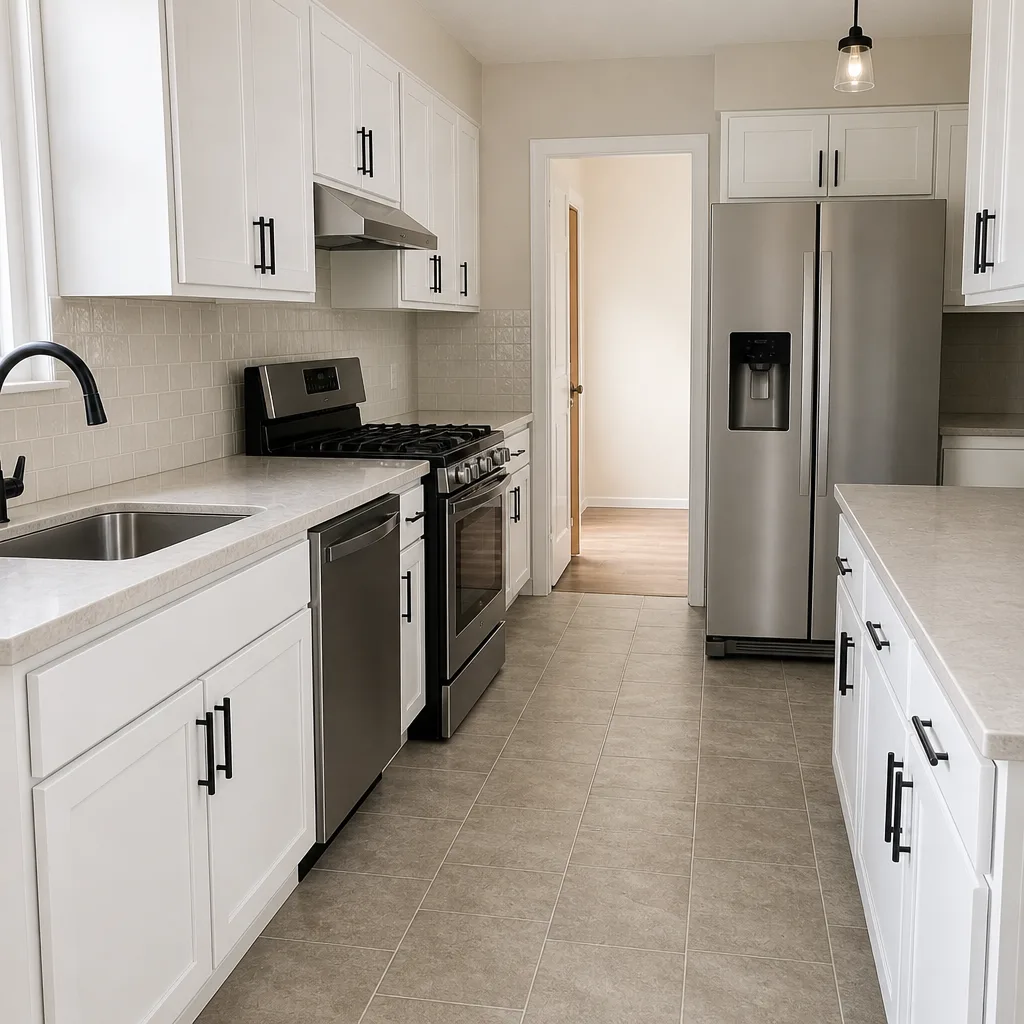
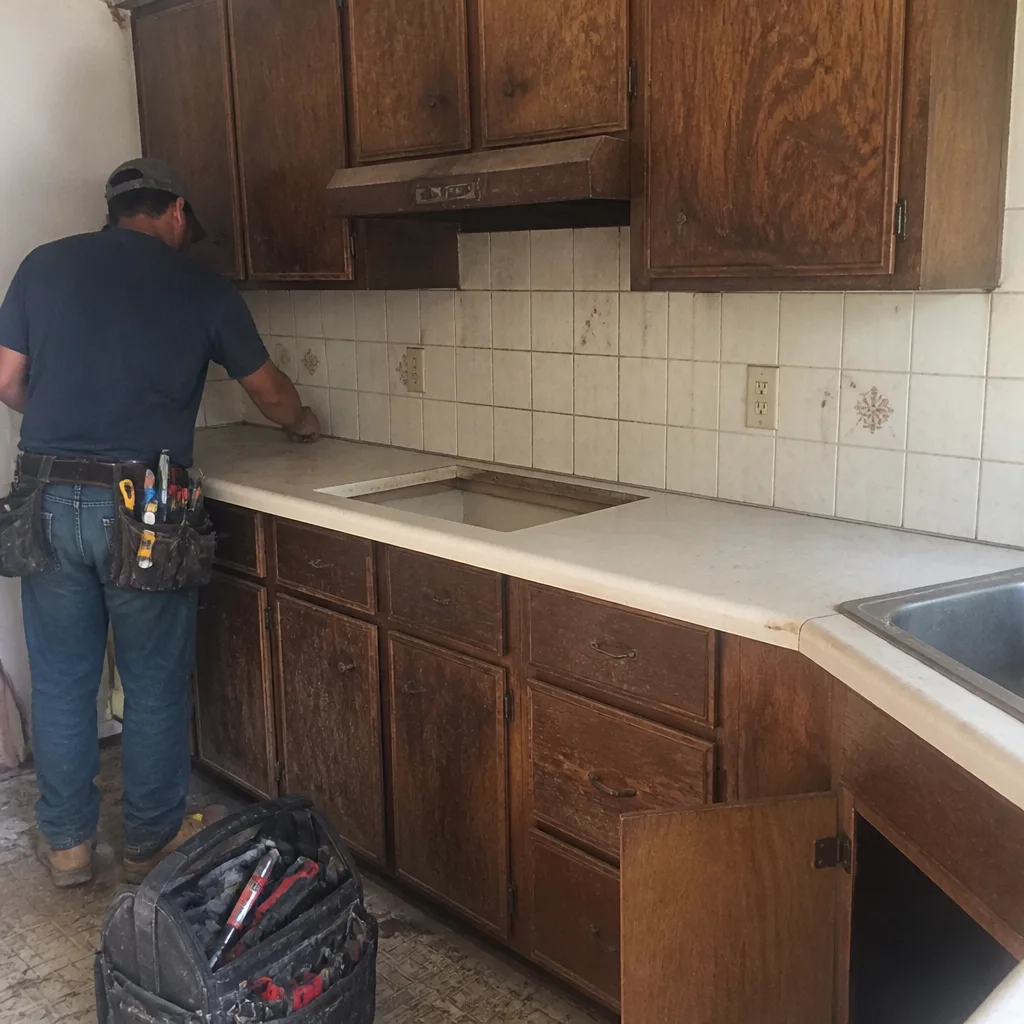
See the difference
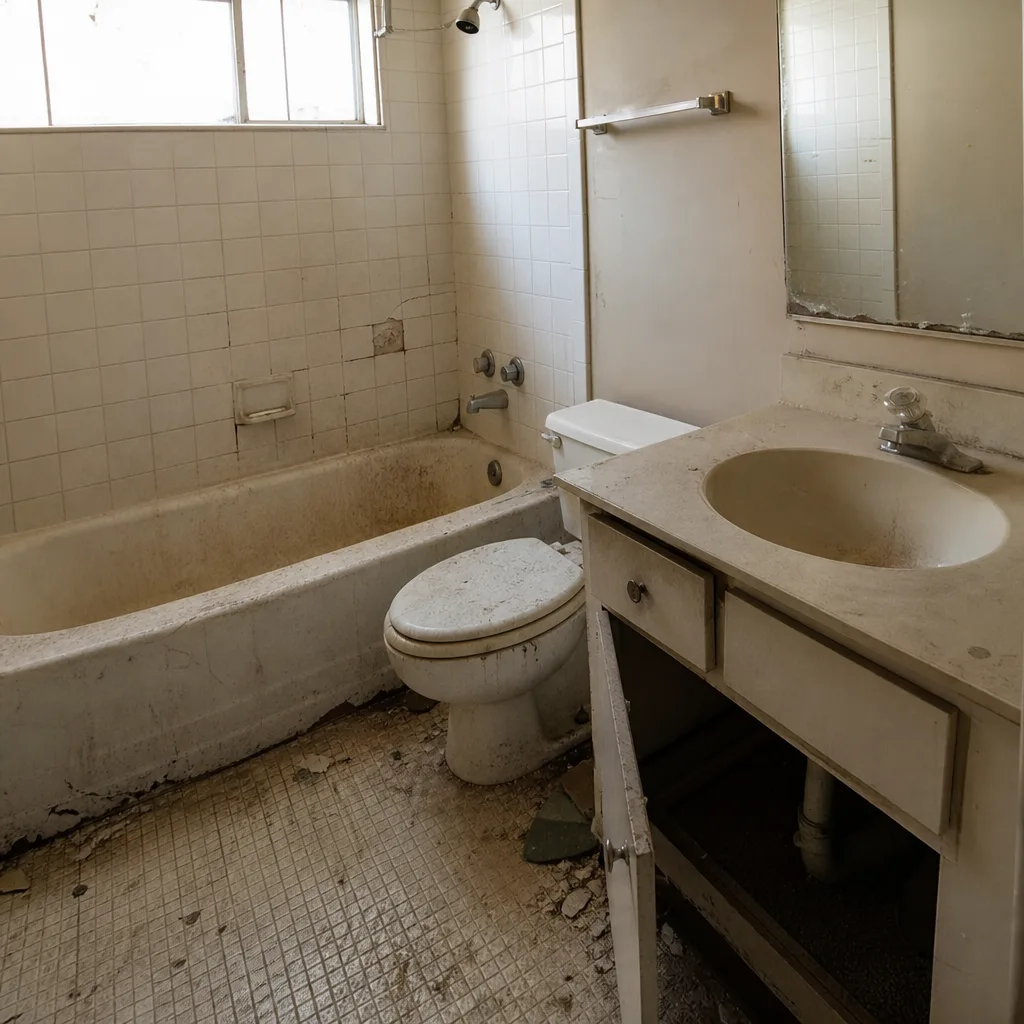 Before
 After
 Before
 After
 Before
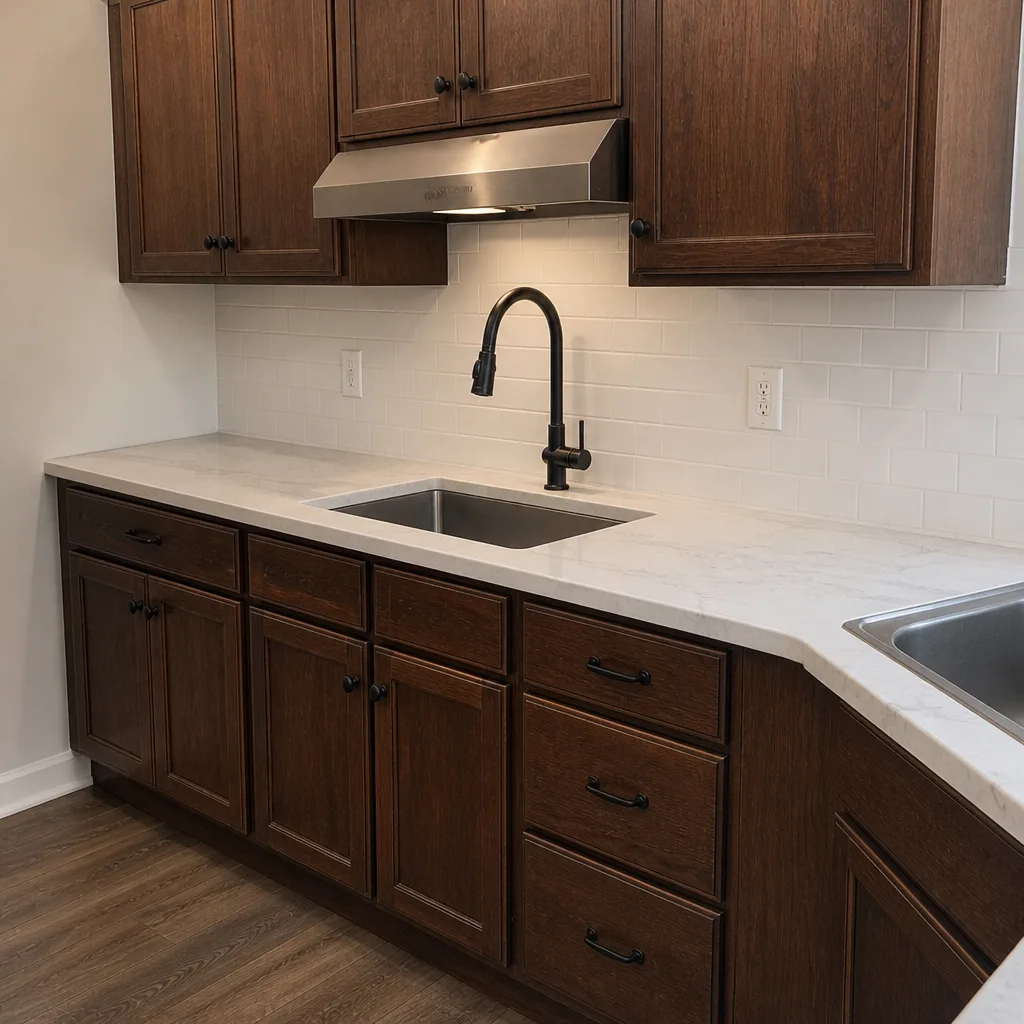 After
Frequently Asked Questions

Most of a bathroom remodel is not a good DIY candidate because the highest-risk work – waterproofing the shower pan, moving the drain, wiring the exhaust fan – is invisible after it’s covered up. Tile on the walls is recoverable; a shower pan that leaks into the slab is not. If your bathroom remodel involves a shower replacement, plan for a licensed professional on that portion.
You likely need a permit if you’re moving plumbing, adding or relocating electrical circuits, changing a gas line, or altering the structure. Replacing cabinets and countertops without moving utilities typically does not. The safest step is to call the city’s development services office and describe exactly what you plan to do – they’ll tell you in plain terms, and it costs nothing.
Yes, on the cosmetic end. Painting, cabinet hardware, backsplash tile, and simple light fixture swaps are all realistic DIY projects and can save real labor dollars. They stop making financial sense the moment you cross into plumbing, electrical, or gas, where a mistake can erase the savings and add cost on top.
Unpermitted electrical work, missing GFCI protection in kitchens and baths, improperly sloped shower pans, and structural changes without engineering are the most common. Any of these can hold up a sale or force a credit to a buyer. A written permit trail from a licensed contractor through the city closes that gap entirely.
Ask whether the mistake resets easily or follows the house. If you can undo it with sandpaper, a putty knife, or another coat of paint, it’s fair game. If undoing it means opening a finished wall or pulling a permit retroactively, it’s above the DIY line – no matter how many videos you’ve watched.
Our 365-Day Done Right Promise means that if the work fails inside the year, we come back and fix it at no charge. That’s in writing before work starts, along with the price. A DIY job has no such layer – you’re the contractor, the warranty, and the call-back, and the manufacturer’s warranty on materials often voids on self-install. If you’d like a written number and a written guarantee before anything starts, call (844) 320-5939 – estimates are free.
The Bottom Line
The DIY question isn’t about how handy you are. It’s about which mistakes reset easily and which ones get baked into the house. Cosmetic work is fair game. Mechanical, structural, and anything behind a wall or under a slab isn’t. If your project sits in the gray zone, price out both sides honestly – materials waste, tool purchases, redo risk, and the resale cost of an unpermitted change – and decide with real numbers. If the numbers don’t work, or the work needs a permit, that’s a conversation with a licensed contractor, not a tutorial. In Irving, we’re happy to be that conversation.
Call (844) 320-5939 for a free estimate. A live person answers the phone 24/7, technicians are background-checked and arrive in uniform, and every project starts with a written price you can hold us to – materials drawn from recognized names like Cambria, KraftMaid, and Moen, with the 365-Day Done Right Promise on the paperwork before the first cabinet comes out.
Written by the team at Penhallow Remodeling Irving.