
Last updated November 17, 2026








Free written scope consultation - allowances, timeline, and change-order rules on paper before a single trade is scheduled
General Contractor Troubleshooting: Common Problems and How to Fix Them
The most expensive call a homeowner makes is to a second contractor to fix what the first one left unfinished. That call usually happens because nobody agreed in writing what “finished” meant. Most remodeling problems we’re asked to untangle didn’t start on the job site at all. They started in the contract, or in the absence of one. What follows is a troubleshooting guide for the middle of a project: how to tell a workmanship failure from a scope gap from a plain contractor dispute, and what recourse you actually have in each case. We’ve walked into plenty of half-finished kitchens around Irving, and the diagnosis is almost always one of three things.
Quick Answer
A mid-project remodeling problem is almost always one of three types: a workmanship failure (the work was done wrong), a scope gap (the work was never in the written agreement), or a contractor dispute (a pricing, timeline, or communication breakdown). Your recourse depends entirely on which one you’re facing. Workmanship gets fixed under a guarantee or a licensing complaint; a scope gap needs a written change order; a dispute needs documentation and, if it escalates, the contractor’s bond or the Texas Department of Licensing and Regulation. The single most useful thing you can do today is find your written contract and read what it actually promises.
Styles & brands we work with
- Kitchen remodeling
- Bathroom remodeling
- Home additions & ADU
- Roofing
- Windows & doors
- Driveway & pavers
- Fence
Table of Contents
- Is it a workmanship failure, a scope gap, or a dispute?
- Is this cost overrun a legitimate change order or bid padding?
- What “substantial completion” means in Texas
- Step-by-step: when a contractor abandons the job
- How to document defective workmanship for TDLR
- When a 365-day guarantee helps and when you need the bond
- Irving-specific problems we see again and again
Is It a Workmanship Failure, a Scope Gap, or a Dispute?
Before you call anyone or send an angry text, name the problem. The three categories have completely different fixes, and treating one as another wastes weeks. Here’s how to sort it out.
- Workmanship failure: The work was in the contract, it was done, and it was done wrong. A tile job with lippage you can feel with a fingernail, a cabinet that won’t close square, a shower that leaks at the pan. This is a quality problem and it’s the contractor’s to fix.
- Scope gap: The work either wasn’t in the written agreement or was described so vaguely that two people could read it differently. “Bathroom remodel” with no line for waterproofing membrane is a classic. This is a documentation problem, and it usually costs money to resolve.
- Contractor dispute: The work may be fine, but the price, timeline, or communication has broken down. The contractor who quoted one number and now wants another. The crew that hasn’t shown in nine days. This is a relationship and contract problem.
In our experience around Irving, most “bad contractor” stories are scope gaps dressed up as workmanship failures. The homeowner believed waterproofing, trim, and haul-away were included. The contractor’s written scope never said so. When you can name which of the three you’re facing, you stop arguing about feelings and start working the actual remedy.
Is This Cost Overrun a Legitimate Change Order or Bid Padding?
A legitimate change order is one the homeowner asked for, or one that arose from a condition nobody could see until demo day. Bid padding is when the original number was never real and the “surprise” was baked in from the start. Telling them apart comes down to three questions.
- Was the change in writing before the work happened? A real change order is signed before anyone touches the wall. A verbal “we’ll sort it out” is where disputes are born.
- Was the condition actually unknowable? Finding rot behind a shower wall after demo is a legitimate surprise. Finding that the original bid simply omitted the tile labor is not.
- Does the increase trace to a specific line? A change order should say what changed, why, and the exact dollar amount. If the contractor can’t break it down, that’s your answer.
This is exactly why we put the price in writing before any work starts. When the number on day one is the number on the invoice, there’s nothing to argue about later. If you’re comparing bids right now, get the general contractor in Irving to itemize the scope line by line before you sign anything. A vague lump-sum bid is where overruns grow.
What “Substantial Completion” Means in Texas (and Why It Matters)
Substantial completion is the point at which the work is usable for its intended purpose, even if a punch list of small items remains. It’s a real legal concept in Texas construction, and it matters because it usually starts the clock on the warranty period and shifts certain responsibilities to the owner.
Here’s the problem: “substantially complete” and “done” are not the same thing, and contractors sometimes use the phrase loosely. If your contractor says the job is complete and you disagree, the question is whether the remaining items are cosmetic punch-list items or whether the space genuinely can’t be used. A kitchen with no working sink isn’t substantially complete. A kitchen with a scratched outlet cover is.
What to do when you disagree:
- Write a punch list with photos and dates, and send it in writing the same week.
- Distinguish blocking items (can’t use the space) from finish items (cosmetic).
- Don’t withhold the entire final payment over a punch list, but do hold back a reasonable amount until items close.
- Check your contract for how it defines substantial completion and what triggers the warranty.
Texas doesn’t have a single statewide statute defining substantial completion for residential remodels into one neat sentence, so your written contract is what governs. That’s another argument for a real one. In Irving, we’ve seen too many homeowners discover their “warranty” started on a date nobody recorded because the contract never defined the trigger.
Step-by-Step: What to Do If Your Contractor Abandons the Job
Abandonment is the worst-case scenario, and it happens more than it should. Maybe the phone goes to voicemail, the crew stops showing, the truck is gone. Act fast and document everything. Here’s the sequence.
- Send a written notice. Email and certified mail. State the facts, the date work stopped, and give a reasonable deadline (seven to ten days is standard) to resume. Keep a copy.
- Photograph the job site exactly as it stands. Dated photos of every room, every unfinished item, and the overall condition. Don’t clean up or move materials.
- Gather your paper trail. The contract, all change orders, every payment receipt, texts, emails. Reconstruct the record now while you can still remember it.
- Check whether the contractor is licensed and bonded. In Texas, many residential remodelers aren’t required to hold a state license, but those who do fall under TDLR. A bond is there for exactly this.
- File a complaint with TDLR if the contractor is regulated, and consider a claim against the bond. For unlicensed contractors, small claims court and a demand letter are often the practical route.
- Get a written assessment from a new contractor before you hire anyone to finish the work. You need to know what’s actually left.
The good news: a written agreement with a clear scope and a written guarantee gives you something to point to. That’s the whole reason we put both on paper before a single cabinet comes out. When you’re ready to finish properly, our kitchen remodeling in Irving team can assess what’s left and give you a real number.
How to Document Defective Workmanship So You Have a Case
If the work was done wrong, a complaint is only as strong as your evidence. Assume from day one that you may need to prove it to someone who wasn’t there. Document like a professional.
- Photograph the defect up close and in context. Close shots show the problem; wider shots show where it sits.
- Write dated notes. What the defect is, when you first noticed it, and what you asked the contractor to do about it.
- Keep every message. Texts, emails, and notes from phone calls with the date and who said what.
- Get a second professional opinion in writing. A short letter from another contractor stating what’s wrong and why carries real weight.
- Check the standards. Tile lippage, waterproofing, and framing all have industry standards. A defect that violates a published standard is far easier to prove than one that’s merely “ugly.”
Then file with the Texas Department of Licensing and Regulation if the contractor is regulated, and attach your photo set and written record. TDLR investigates complaints against licensed trades and can require corrective action. For unregulated remodelers, your documentation becomes the backbone of a demand letter or a small claims filing. Promptness matters: the longer tiles sit cracked and undocumented, the harder the case gets.
When a 365-Day Guarantee Helps – and When You Need the Bond
A workmanship guarantee and a contractor’s bond do different jobs, and homeowners often confuse the two. Knowing which one you need saves months.
A written guarantee is your first line of defense. If the work fails inside the guarantee period, the contractor comes back and fixes it at no charge. That’s what our 365-Day Done Right Promise is: covered in writing on every project, with a free return visit if a repair fails. No service call, no re-inspection fee. For the everyday reality of a shower that leaks in month eight or a cabinet door that sags in month four, the guarantee is the tool you reach for.
A bond is your backstop when the contractor won’t or can’t come back. It’s a form of financial protection that can pay out when a contractor abandons work or fails to honor an agreement, and it’s only available if the contractor is bonded. That’s why you should confirm bonding before work starts, not after. A guarantee helps when the contractor is willing and able. The bond helps when they aren’t. We’ve seen both work in Irving – and we’ve seen homeowners wish they’d checked the bond before demo day.
Irving-Specific Problems We See Again and Again
Some of this is local. Irving’s housing stock ranges from mid-century homes near the old downtown core to newer builds out toward Las Colinas and Valley Ranch, and the problems track the age of the house.
- Older bath remodels without a waterproofing membrane. When we open a wall on a 1960s bath, we regularly find tile set directly on drywall with no cement board substrate (the moisture-resistant layer behind the tile). That’s why the shower leaks in year two – a scope gap that should have been priced up front.
- Slab and plumbing surprises. Older Irving homes sometimes hide cast-iron drain lines under the slab. A “simple” bathroom remodel gets a real change order when that pipe fails a pressure test.
- North Texas clay soil and tile movement. Foundation movement is common here, and large-format floor tile cracks along the shift. That’s why we set tile on an uncoupling membrane, not straight to the slab.
- Scope gaps on “whole-home” remodels. Homeowners near Las Colinas often assume electrical and plumbing upgrades are included. They’re only included if the written scope says so.
The fix for most of these is the same: a written scope that names the substrate, names the membrane, and gives a dollar figure for the surprises that can reasonably be anticipated. Start from our Penhallow Remodeling Irving home page to see how we structure a written project, or see the bathroom remodeling in Irving guide for the waterproofing details.
Common Mistakes to Avoid
- Signing a one-line contract. “Kitchen remodel, $32,000” is not a scope. It’s an invitation to argue about what was included. Every line should name materials, quantities, and labor.
- Paying too much up front. A large deposit before demo is normal to a point; paying most of the contract before materials arrive leaves you exposed. Tie payments to completed milestones.
- Accepting verbal change orders. If the crew asks to do something different, get it in writing with a dollar amount before they start. Verbal changes are how overruns grow.
- Skipping the bond check. Before work starts, confirm whether the contractor is bonded and licensed. In Texas it varies by trade, so ask and get it in writing.
- Ignoring small defects. A hairline crack in month two becomes a failed shower pan in month twelve. Report problems in writing immediately and keep the photos.
- Choosing on price alone. The cheapest bid in Irving is often the one missing waterproofing, permits, and haul-away. Compare scope, not just the bottom line.
- Not recording the completion date. Your guarantee starts when the work is substantially complete. Write that date down or you’ll have nothing to point to when a claim comes up.
See the difference
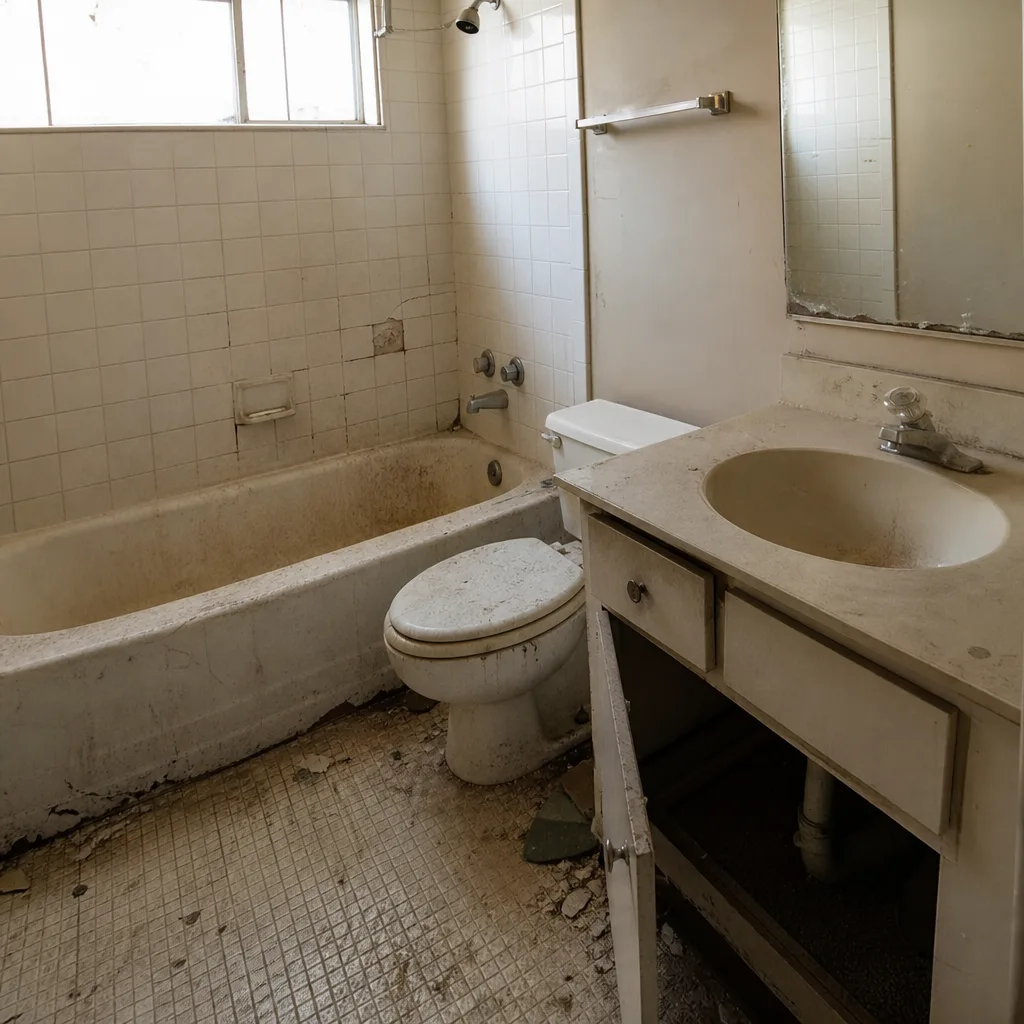 Before
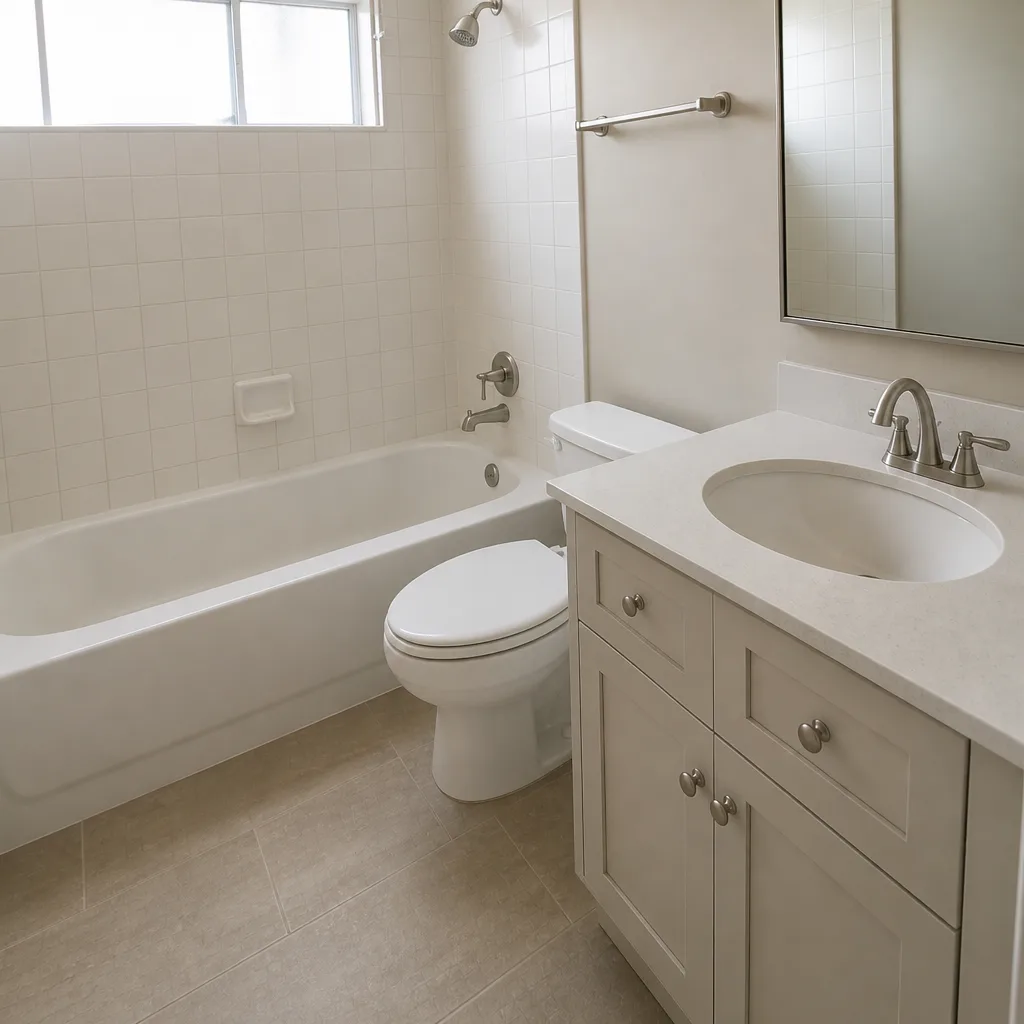 After
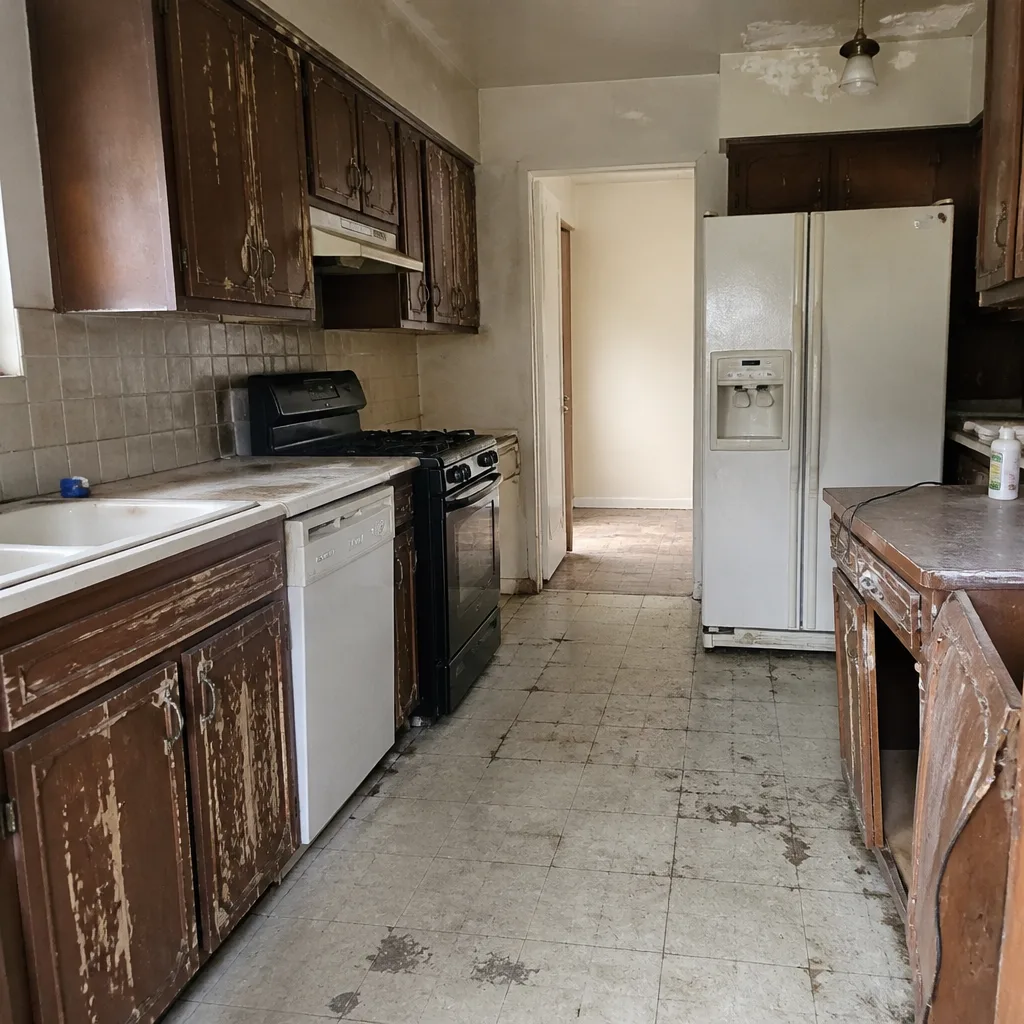 Before
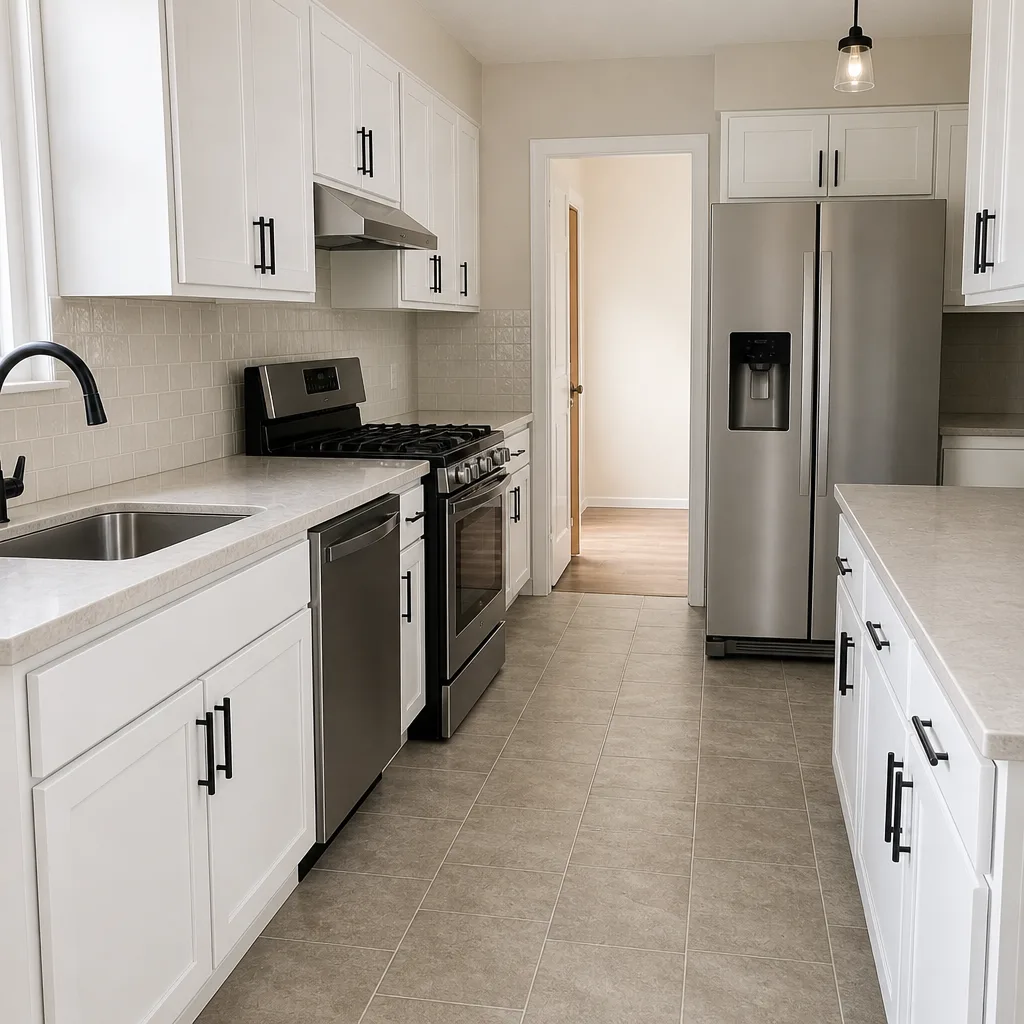 After
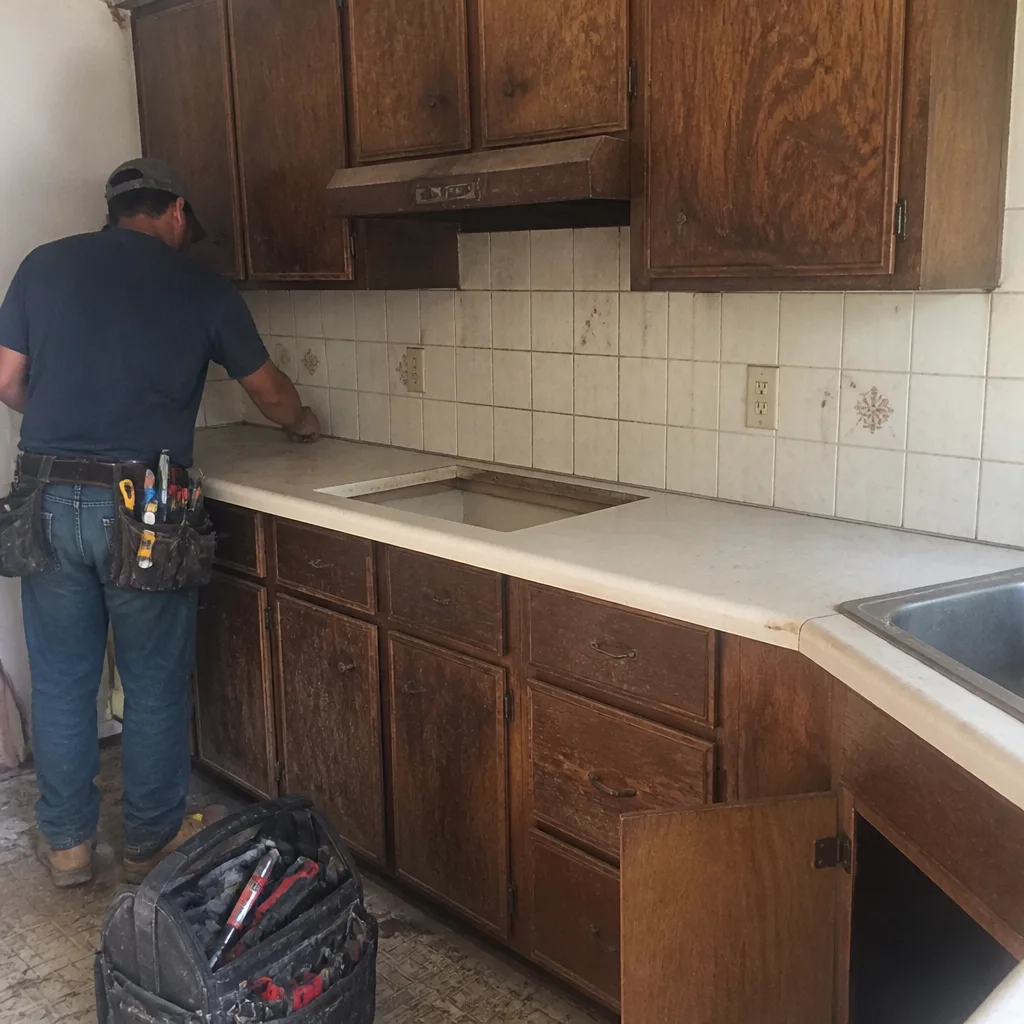 Before
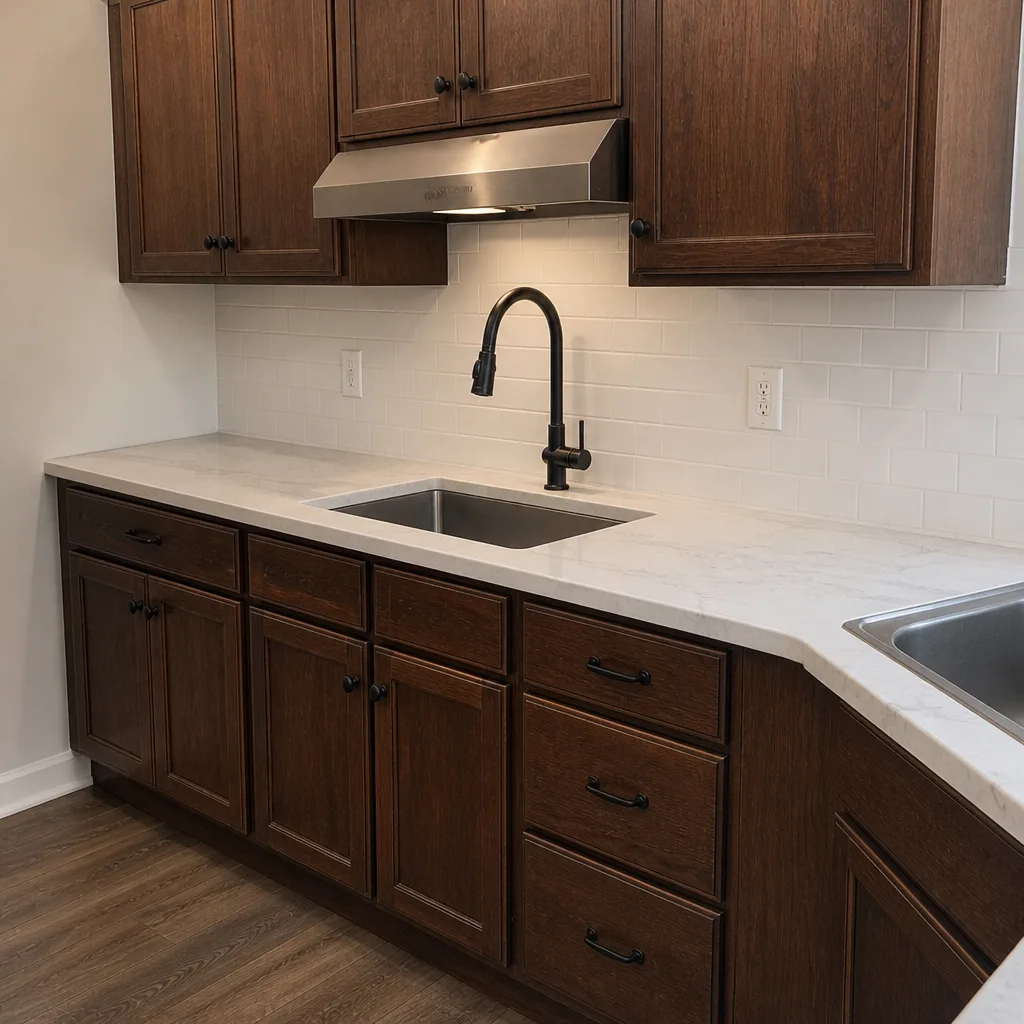 After
When to Call a Professional
Some problems you can document and negotiate yourself. Others you should hand to a pro before they get worse. Call us if the work has stopped mid-project, if you’ve found a leak, wiring, or structural issue behind an opened wall, if a second contractor has quoted a repair you can’t verify, or if you’re about to sign a contract and can’t tell whether the scope is complete. A short inspection now is cheaper than a rebuild later.
Penhallow Remodeling Irving offers free estimates in Irving – call (844) 320-5939 to schedule yours. You’ll get a written line-item price before any work starts, a real arrival window, and a project backed by the 365-Day Done Right Promise. Our technicians have up to 22 years of experience, and they’re background-checked and arrive in uniform. We install materials from brands like Cambria quartz and Kohler fixtures, each of which carries its own warranty alongside the written guarantee we put on every job.
Frequently Asked Questions

Find your written contract and written scope, then name the problem as a workmanship failure, a scope gap, or a contractor dispute. That single step tells you whether you’re asking for a fix, a change order, or a formal complaint. Put your concern in writing the same day you spot it so the record starts early. Call (844) 320-5939 for a free estimate if you need a second professional eyes-on assessment.
Only through a written change order that the homeowner signs before the additional work happens, or for a condition that genuinely couldn’t be seen until demo. A price that jumps with no written change order and no visible cause is bid padding, not a legitimate overrun. Ask for a line-by-line breakdown of the increase, and refuse to pay anything not documented in writing. Call (844) 320-5939 to get a written second opinion on your scope – the estimate is free.
Substantial completion means the space can be used for its intended purpose, even if a punch list remains. If a kitchen has no working sink or a bathroom can’t be used, it’s not substantially complete. Write a dated punch list separating blocking items from cosmetic ones, and check your contract for how it defines completion and starts the warranty. Call (844) 320-5939 if you need a written assessment of what’s actually left.
TDLR investigates complaints against licensed trades and can require the contractor to correct violations of published standards. It won’t help with an unlicensed remodeler, which is why confirming licensing and bonding before work starts matters. File with your dated photos, written notes, and a second professional opinion attached. Call (844) 320-5939 for a free estimate from a company that puts its guarantee in writing.
A repair assessment typically runs $150-$400 depending on scope, and the cost of finishing the work depends entirely on what was left undone. Documentation of the abandoned work matters because it may be recoverable from the original contractor’s bond. Get a written line-item price before anyone finishes the job. Call (844) 320-5939 – the estimate is free.
Our 365-Day Done Right Promise covers workmanship for a full year from substantial completion: if it’s not done right, we come back and make it right, and the return visit is free. It doesn’t cover damage caused by the homeowner or normal wear. The guarantee is in writing on every project, alongside brand warranties like Cambria’s lifetime warranty on quartz. Call (844) 320-5939 to see how the guarantee applies to your project.
The Bottom Line
Most contractor trouble traces back to a missing or vague written agreement, which is why the fix for almost every problem in this guide starts with the same move: put it in writing. Name whether you’re facing a workmanship failure, a scope gap, or a dispute. Document it with dated photos and messages. Know the difference between a guarantee and a bond, and check both before work starts. Verify substantial completion against what your contract actually says. Do those things and you’ll rarely need the worst-case steps. Penhallow Remodeling Irving puts the price and the guarantee in writing before a cabinet comes out – call (844) 320-5939 for a free estimate.
Written by the team at Penhallow Remodeling Irving.