Last updated November 17, 2026







Free written scope consultation - allowances, timeline, and change-order rules on paper before a single trade is scheduled
Construction Permits, Codes & Inspections in TX: What You Need to Know
Texas gives homeowners one of the broadest self-permit rights in the country. On your primary residence, you can legally act as your own general contractor, pull your own permits, and hire subs directly. That sounds like a way to save a few hundred dollars. In practice, it’s the loophole some remodelers use to avoid pulling permits in their own name and leave the liability sitting on your deed. When you go to sell, your title company will ask for the paper trail, and if it’s missing, the deal, the loan, or the insurance claim is the one that stalls. This guide walks through what the Texas homestead exemption on permits actually covers in Irving, where it ends, and why a written contractor agreement that spells out permit responsibility is worth more than the fee it takes to pull one.
Quick Answer
In Irving, most structural, electrical, plumbing, and mechanical work requires a permit under the 2021 International Residential Code (IRC) as adopted by Texas, with specific dollar thresholds and exceptions that trip people up. The Texas homestead exemption lets you self-permit on your own primary residence, but it does not exempt you from code compliance, inspection requirements, or disclosure on sale. If your contractor asks you to pull the permit in your name “to save time,” that’s a red flag, not a courtesy. Ask for it in writing: who pulls the permit, who pays the fee, who meets the inspector, and whose name appears on the final sign-off.
Styles & brands we work with
- Kitchen remodeling
- Bathroom remodeling
- Home additions & ADU
- Roofing
- Windows & doors
- Driveway & pavers
- Fence
Table of Contents
- Which projects trigger a permit in Irving
- The homestead exemption in plain English – and where it ends
- What an Irving inspection sequence actually looks like
- The insurance and resale cost of unpermitted work
- How to read your Certificate of Occupancy or final sign-off
- What your contractor agreement should say about permits
- Common mistakes to avoid
- When to call a professional
Which projects trigger a permit in Irving
The 2021 IRC amendments Texas adopted reshaped where the lines fall, and Irving enforces them through its Development Services office. The thresholds people get wrong almost every time are the cosmetic-vs-structural lines. Painting a kitchen cabinet won’t need a permit. Replacing the same cabinet in the same spot usually doesn’t. Moving the sink six inches to the left to fit a farmhouse basin does, because you’ve touched the drain and the supply lines.
A working rule for Irving homeowners:
- Structural changes (removing a wall, adding a beam, cutting a header) – always required, no dollar minimum.
- Electrical – new circuits, panel changes, added outlets in wet areas, fixture relocation. Swap a light fixture on an existing switch? Usually no permit. Add a dedicated 20-amp line for that air fryer you love? Yes.
- Plumbing – any change to drain, waste, or vent lines, water heater replacement, and re-piping. A faucet swap is generally exempt; moving the toilet flange is not.
- Mechanical/HVAC – equipment replacement, new duct runs, and any gas line work. Note that gas lines are a hard line: those need a licensed plumber and a permit, and we don’t recommend homeowners touch them under any exemption.
- Roofing – full tear-off and replacement requires a permit in Irving; a patch of a few shingles usually does not.
- Fences, sheds, and pools – Irving has its own setbacks and height caps. A six-foot privacy fence along your rear lot typically doesn’t need a permit; a shed over 120 square feet, or any pool with electrical, does.
One Irving-specific wrinkle: the older housing stock in neighborhoods like South Irving and Hospital District frequently turns up aluminum branch wiring and undersized panels from the 1960s and 70s. What looks like a simple kitchen refresh often triggers a panel upgrade once an electrician opens a wall. That’s not a surprise fee – that’s a code reality. If you’re planning a kitchen project, our guide to kitchen remodeling in Irving covers how to plan for it before demo.
The homestead exemption in plain English – and where it ends
Here’s the part that surprises people. Texas Property Code allows a homeowner to act as their own general contractor on a project on their homestead, which means you can sign the permit application, hire the subs, and be the responsible party on the record. This is genuinely useful when you want to coordinate trades yourself. It is also the single most abused provision in residential remodeling.
The exemption does not exempt you from:
- Code compliance. The work still has to meet the same IRC standards a licensed contractor would meet.
- Inspections. Rough-in, framing, and final still happen on the same schedule – only you’re now the person who has to be home to meet the inspector.
- Liability. If a sub gets hurt on your property or a neighbor’s foundation is affected by your excavation, you’re exposed. A general contractor carries general liability insurance; you as a homeowner typically don’t.
- Disclosure on sale. Texas requires you to disclose known defects and unpermitted work. The buyer’s inspector will find it. The title company will ask.
Now the loophole. When a contractor says, “You’ll pull the permit – it’s faster,” what they’re often saying is: I am not licensed to pull it in my name for this scope, or I don’t want to be on the record. A legitimate trade pulling an electrical permit in Irving needs to be on file with the city as a registered contractor. If they can’t be, that’s the answer to a question you didn’t ask. The specific clause that closes this is short and boring: “Contractor will obtain all required permits in Contractor’s name prior to commencement of work, at Contractor’s expense, and will schedule and attend all inspections.” Get it in the agreement. If the contractor won’t sign it, they weren’t going to pull the permit anyway.
What an Irving inspection sequence actually looks like
How your project gets inspected in Irving affects the timeline more than people realize, and the sequencing is where “we’ll be done in three weeks” estimates go sideways. Here’s a typical remodel inspection sequence for a kitchen or bathroom:
- Permit application and plan review. Irving’s Development Services reviews plans before the permit is issued. For a minor kitchen remodel, this is often a one-to-two-week window. Structural changes and additions take longer.
- Rough-in inspection. After framing, electrical, plumbing, and mechanical are run but before drywall goes up. This is the single most important inspection to get on the books early. If your framing crew and your electrician don’t coordinate, you can lose a week waiting for a slot.
- Framing inspection. Sometimes combined with rough-in, sometimes separate. When a new beam or header is involved, count on separate.
- Mid-project inspections. Insulation, drywall nailing, and any specialty items (gas line pressure test, for example). These stack up.
- Final inspection. After finishes, fixtures, and trim are complete. This is where the Certificate of Occupancy or final sign-off gets issued.
Those gaps are real time, not filler. A contractor who doesn’t build inspection windows into the schedule will either rush the work to hit his original promise or (more commonly) push the completion date back late in the job. We’ve seen Irving remodels stretch by two weeks simply because the rough-in inspection wasn’t scheduled until the crew was standing around waiting for drywall. The best protection against this is a written schedule before work starts, with the inspection dates named up front. That’s the practice behind our general contractor work in Irving: price, window, and inspection sequence in writing, not on a handshake.
The insurance and resale cost of unpermitted work
This is the section people skip, and it’s the one that costs the most. Unpermitted work isn’t just a paperwork problem – it’s a live liability when things go wrong.
On the insurance side: when an adjuster responds to a claim, they check whether the loss was caused by a code violation. A fire that started in an unpermitted electrical circuit can give a carrier grounds to deny or reduce the claim. A water loss that began in an unpermitted shower pan can fall into the same category. The policy language varies, but the pattern is consistent: the insurance company wants to know the work was done legally, and if it wasn’t, you’re the one explaining why.
On the resale side: a title company’s job in a Texas closing is to confirm the property’s legal condition. When you sell, the buyer’s inspector flags unpermitted work, the buyer’s lender may require it to be permitted retroactively (a process in Irving called a “permit for existing work” that requires the same inspections and can open walls), and often the seller eats the cost. If the work is significant enough, the buyer’s lender may refuse to fund the loan until it’s cured, which kills the sale.
The math is unkind. A $400 permit for a kitchen electrical scope is cheaper than retroactive permitting, a delayed closing, and a negotiated repair credit on the sale. We’ve watched Irving sellers in Las Colinas and Valley Ranch take a five-figure haircut on a remodel they were told was “fine, don’t worry about the permit.”
How to read your Certificate of Occupancy or final sign-off
A final inspection sign-off isn’t a sticker on the door – it’s a record. Knowing how to read it protects you. When your project closes in Irving, you should have:
- The final inspection result, pulled from the city’s online permit portal, showing “Approved” or “Final” rather than “Open.”
- The permit number, matching the scope of work. A permit that says “replace water heater” doesn’t cover your newly relocated gas line.
- The sign-off date, which you’ll want to keep with your home records for the eventual sale.
- Any Certificate of Occupancy, if the work added square footage or changed the classification of a space (e.g., converting a garage to a bedroom). For a remodel that doesn’t change the footprint, a final inspection sign-off is typically sufficient – but ask the inspector’s office to be sure.
If your contractor hands you a business card that says “final inspection passed, all good,” that’s not a sign-off. Ask for the portal printout. A legitimate contractor expects the question. Our team keeps the permit number and inspection status on file for every project, and we hand our Irving homeowners a written closeout packet at the end – not because it’s required, but because when you sell in ten years, you’ll want to know where the paper is.
What your contractor agreement should say about permits
Before you sign anything, check for these six lines. If any are missing, ask for them to be added – in writing, before work begins:
- Who pulls the permit (should be the contractor, in the contractor’s name).
- Who pays the permit fee – and how it appears on the invoice.
- Who schedules and attends inspections.
- What happens if an inspection fails – who pays for the re-inspection and the rework.
- The written completion date and the built-in inspection windows.
- The workmanship warranty, in writing, on every project.
That last one is where we put our money. Penhallow Remodeling backs every project with a 365-day Done Right Promise written into the agreement: if the work fails inside the guarantee period, we come back and fix it at no charge. You get the written price before work starts – the number on day one is the number on the invoice. If something does go wrong, we do a free return visit, not a service call with a re-inspection fee tacked to the bottom. That’s The Kingswell Way, and it’s been the standard for every Penhallow location since 2004.
See the difference
 Before
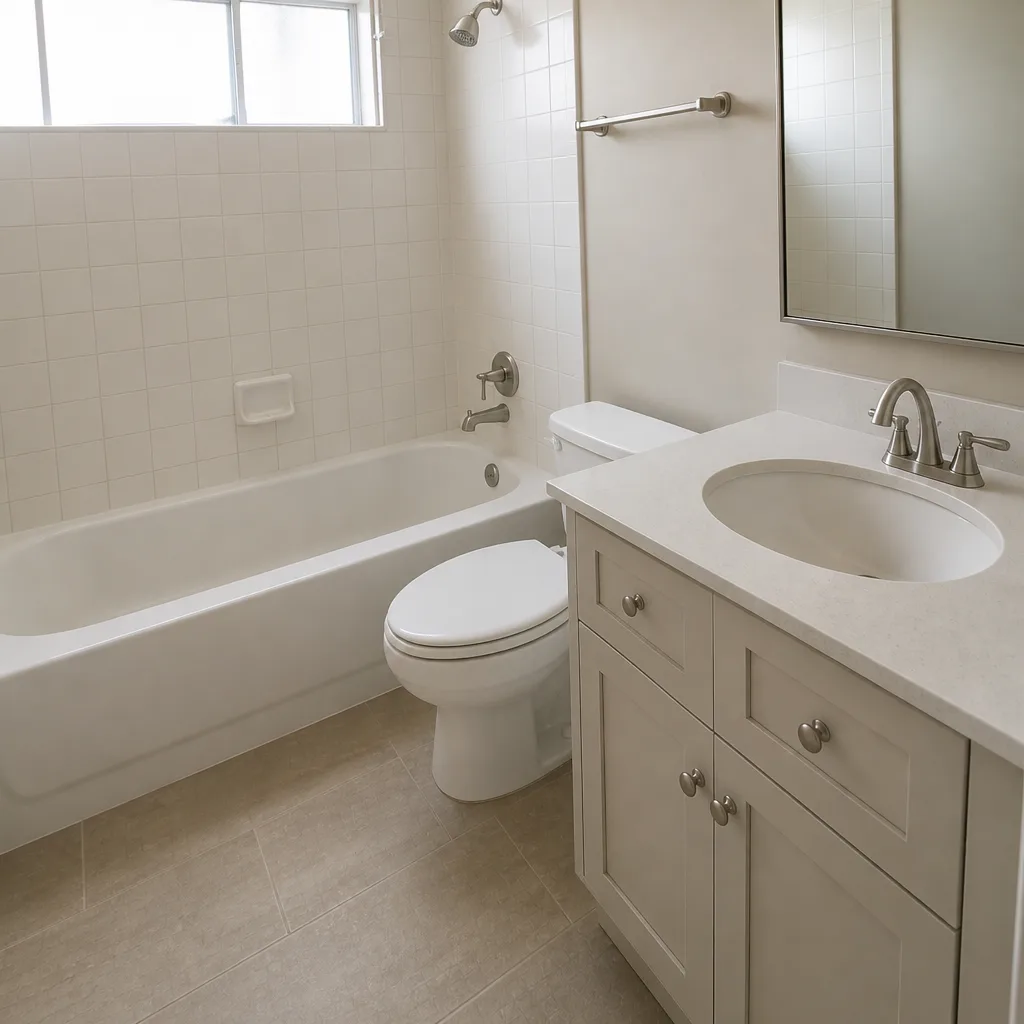 After
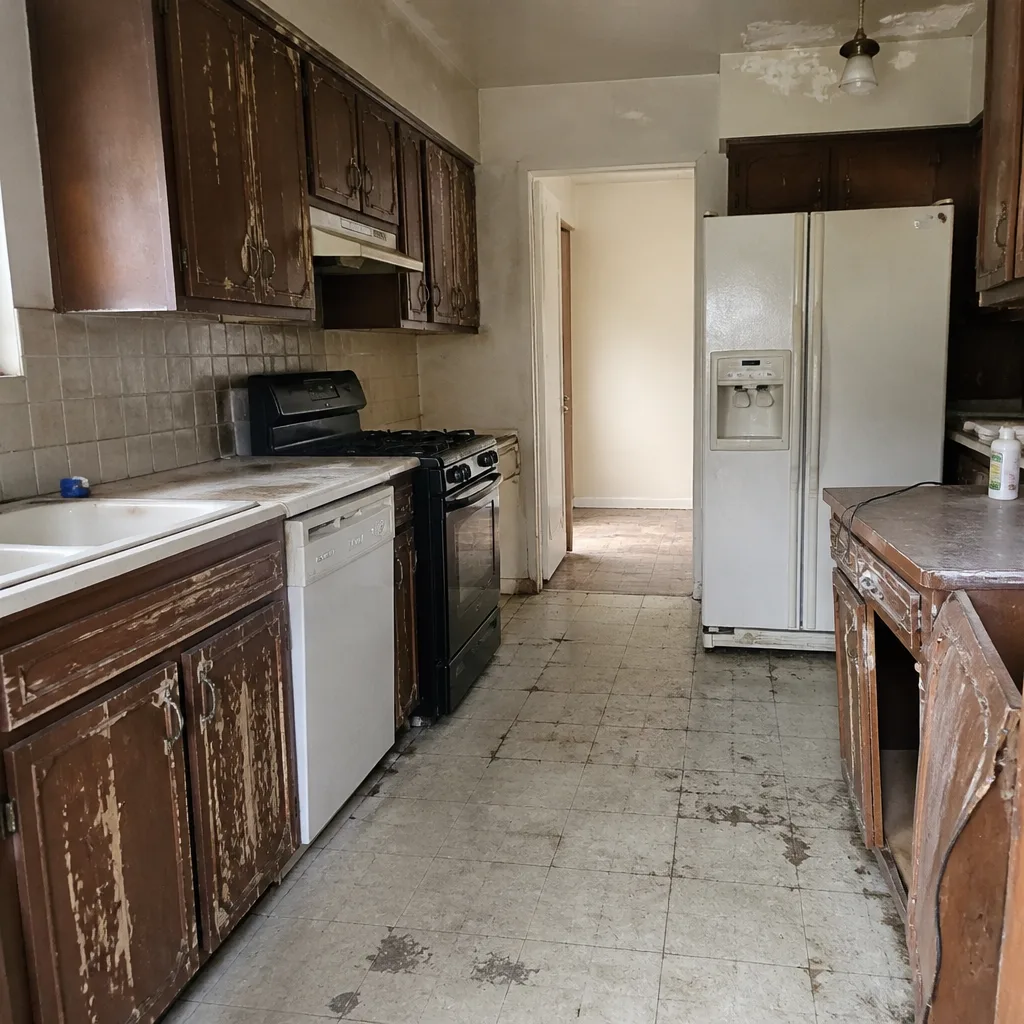 Before
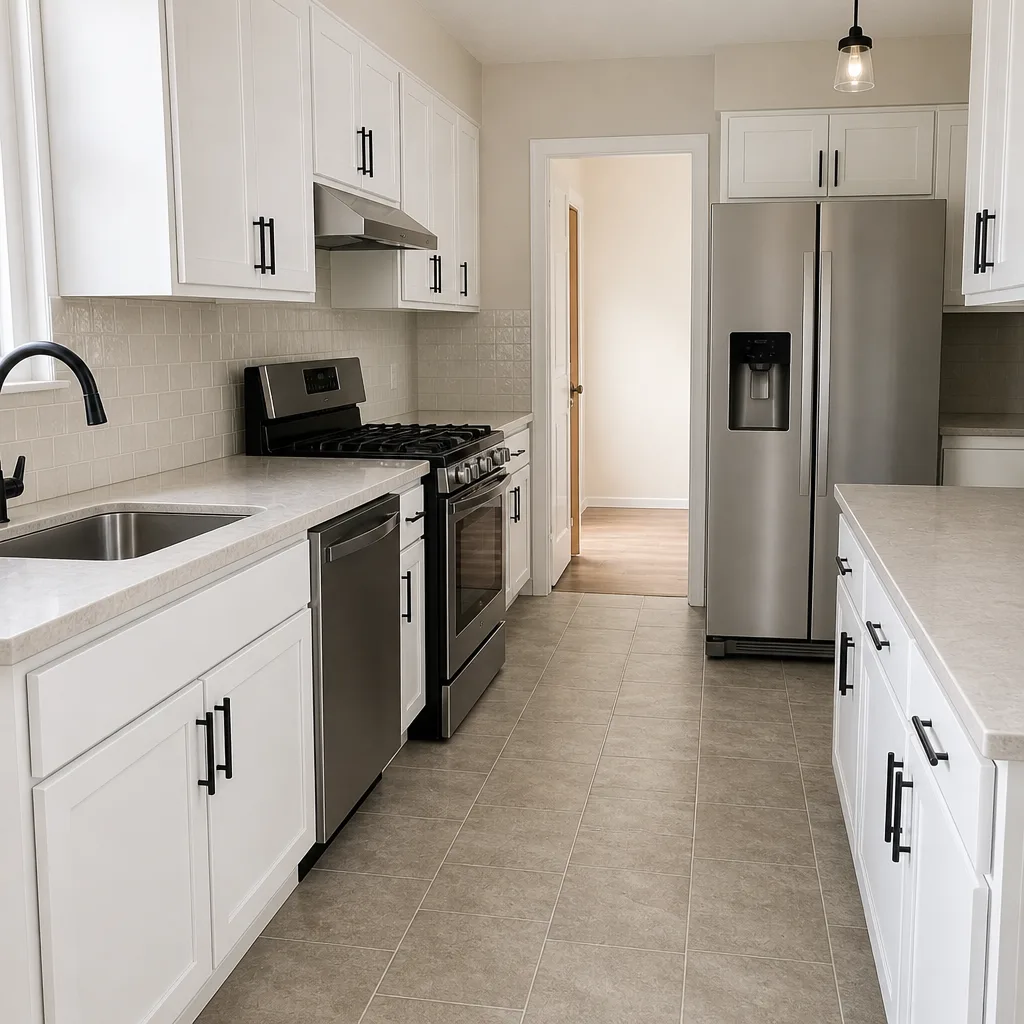 After
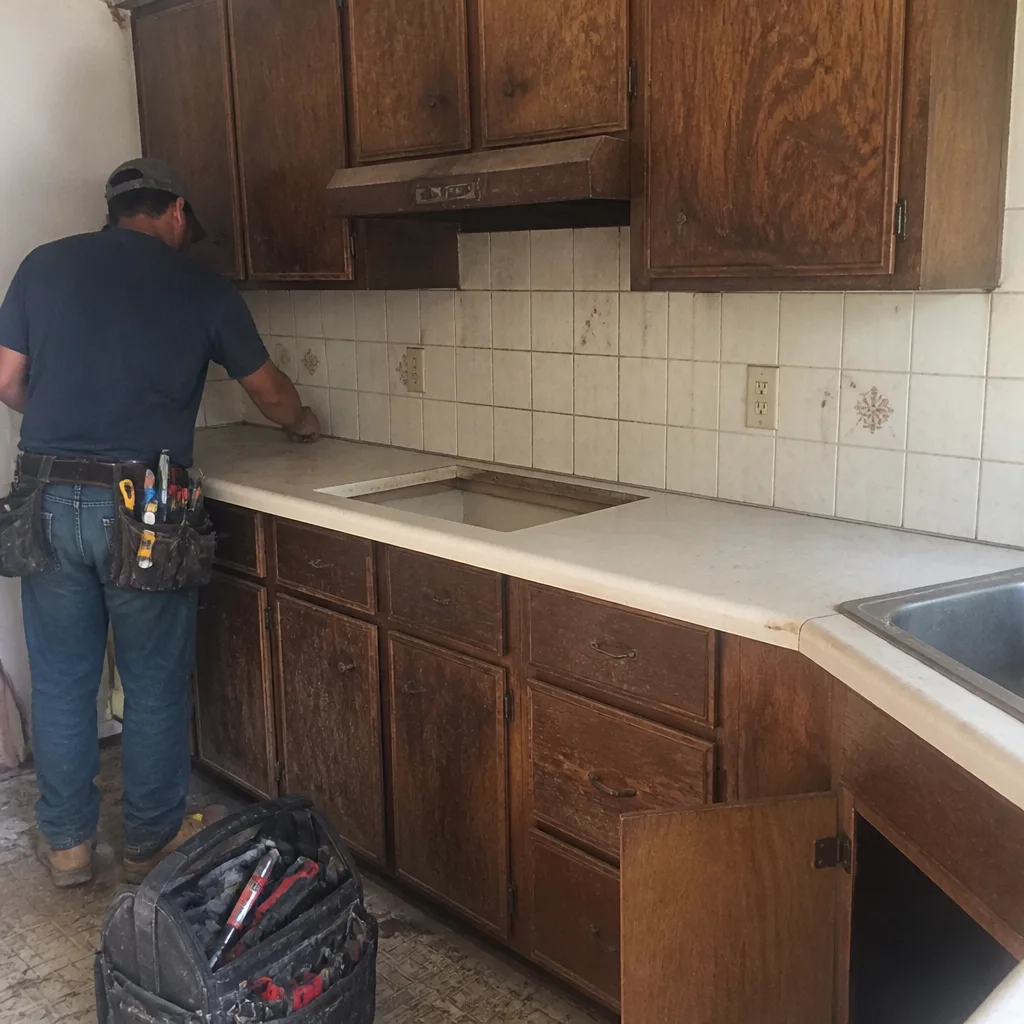 Before
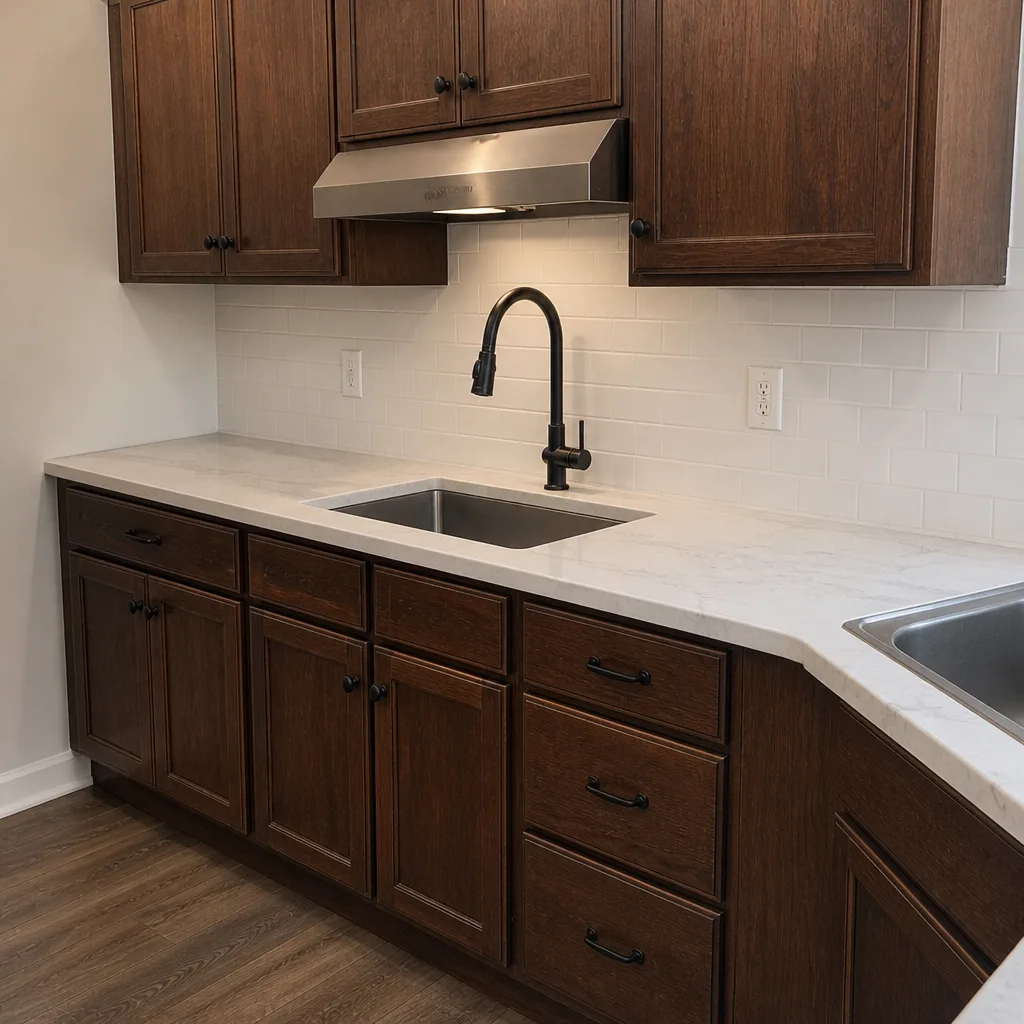 After
Common Mistakes to Avoid
- Letting the contractor pull the permit in your name “for speed.” That puts the liability on your deed. If they can’t pull it in their own name, ask why.
- Assuming the permit fee is the whole cost. Plan for the inspections, the scheduling gaps, and the possible panel or plumbing upgrade that the inspector flags once the wall is open. Budget 5 to 10 percent of the project cost for code catch-up on homes built before 1980 – which is most of South Irving.
- Signing a verbal agreement. Verbal estimates are the reason homeowners get surprised on demo day. Get the price, the permit responsibility, and the completion window in writing.
- Letting a sub do gas or electrical work without a licensed contractor on the record. The gas line is the one trade we firmly tell Irving homeowners not to touch, even under the homestead exemption. Too many things can go wrong, and none of them are quick to fix.
- Skipping the final inspection sign-off. “It looks done” isn’t the same as “it is legally done.” Get the portal printout.
- Forgetting that unpermitted work is a disclosure problem on sale. Texas requires it. The buyer’s inspector will find it. The lender may refuse to fund until it’s cured.
- Hiring on price alone. The cheapest bid is usually the one that skips the permit. The cost of that shortcut shows up years later, when you go to sell.
When to Call a Professional
Any project that touches structural framing, gas, electrical panels, plumbing supply or drain lines, or roofing over the size of a patch belongs in the hands of a licensed, insured professional – and in Irving, that means a contractor who pulls the permit in their own name, carries general liability, and stands behind the closeout packet. The same goes for any remodel on a home built before 1980, where hidden aluminum wiring or galvanized plumbing is more rule than exception. If you’re planning a kitchen, bath, or whole-home project and you want the permit sequence, the written price, and the completion window sorted before anyone picks up a tool, Penhallow Remodeling Irving offers free estimates in Irving – call (844) 320-5939. Our technicians have up to 22 years of experience, arrive background-checked and in uniform, and we put the price and the guarantee in writing before work starts. A live person answers that line 24/7 – no voicemail, no callback window.
Frequently Asked Questions
Yes, in most cases. Any kitchen remodel that moves plumbing, electrical, or mechanical lines, or that involves structural changes, requires a permit and inspections in Irving. Cosmetic-only swaps (cabinet doors, paint, tile over existing substrate) usually don’t. The dollar threshold people ask about isn’t the deciding factor – it’s whether the work touches code-governed systems. Call (844) 320-5939 for a free estimate that spells out the permit scope.
Yes, under the Texas homestead exemption, you can pull permits on your own primary residence and act as your own general contractor. What you can’t do is skip the inspections, code requirements, or the disclosure obligations on sale – and you take on the liability a general contractor would normally carry. For anything over a minor scope, the risk usually outweighs the fee savings. Call (844) 320-5939 to talk through the scope before you decide.
You’re required to disclose it under Texas law, and the buyer’s inspector will likely find it anyway. The consequence ranges from a negotiated repair credit to the lender refusing to fund the loan until the work is permitted retroactively – which in Irving requires reopening walls for the same inspections you would have had the first time. Retroactive permitting is usually more expensive than doing it correctly up front. Call (844) 320-5939 for a free estimate on doing it right.
Plan review and permit issuance for a minor kitchen or bath remodel typically runs one to two weeks in Irving. Structural work, additions, or projects that need engineering plans take longer. The bigger schedule risk is the wait between inspections – rough-in, framing, and final – which can stretch a project by a week or more if the contractor doesn’t book the inspections early. A written schedule with named inspection dates protects you. Call (844) 320-5939 to talk through your timeline.
Yes, that’s exactly what it means – a final inspection sign-off (or Certificate of Occupancy for classified changes) is the city’s record that the work was completed to code. Ask your contractor for the permit number and the inspection status from the city’s online portal, and keep that record with your home files for the eventual sale. Call (844) 320-5939 for a free estimate and a written closeout process.
It shouldn’t – not on a written, fixed-price agreement. The exceptions are code catch-up on older homes (like a panel upgrade discovered when the wall opens) and changes you request mid-project. A legitimate contractor flags both in writing before proceeding, not after the invoice arrives. At Penhallow Remodeling Irving, the price on day one is the price on the invoice, and anything unforeseen gets a written change order you approve before we touch a tool. Call (844) 320-5939 for a free estimate.
The Bottom Line

The Texas homestead exemption sounds like a shortcut, and in a few narrow cases it is. In most Irving remodels, it shifts the permit, inspection, and disclosure burden onto you, and the savings rarely cover the downside when you sell. The plain version: get the permit, get it in the contractor’s name, get the inspection sign-off in writing, and get the price and the guarantee in writing before work starts. If you’re considering a bathroom remodel in Irving or a larger whole-home project, start with a free estimate that names the permit scope, the sequence, and the completion window up front. That’s what the Penhallow Remodeling Irving home page is about, and it’s the standard every job runs on.
Call (844) 320-5939 to schedule your free estimate. A real person answers 24/7. We’ll walk your Irving project with you, put the permit responsibility in writing, and hand you the number before you pick a single cabinet.
Written by the team at Penhallow Remodeling Irving.