Last updated November 17, 2026








Free written scope consultation - allowances, timeline, and change-order rules on paper before a single trade is scheduled
General Contractor Maintenance Checklist for Irving Homeowners
The most expensive call a contractor gets from Irving homeowners isn’t a sudden disaster. It’s a foundation crack that opened slowly over two summers while the expansion joint caulk sat unchecked on no one’s list. Or a fascia board that went soft because one downspout dumped water against a wall for three seasons. Irving sits on expansive clay soil, bakes through 100°F summers, and catches the occasional hard freeze – a combination that punishes houses in specific, predictable ways. This guide walks through what actually fails here, the cadence that matches our climate, and the items that need a licensed contractor’s eyes rather than yours.
Quick Answer
An effective maintenance checklist for an Irving home should be built around clay-soil movement, extreme summer heat, and freeze events – not a generic national template. Priority items are gutter and downspout routing, exterior sealant inspection twice a year, attic ventilation, and photo documentation of anything that could affect permits or insurance. Anything touching structural, electrical, gas, or roofing systems beyond a visual check belongs with a licensed Texas contractor.
Styles & brands we work with
- Kitchen remodeling
- Bathroom remodeling
- Home additions & ADU
- Roofing
- Windows & doors
- Driveway & pavers
- Fence
Table of Contents
- Why Irving Homes Age Differently Than the Template Says
- Gutter and Downspout Routing: A Structural Issue, Not a Cosmetic One
- The Exterior Caulk Cycle That Matches Irving’s Temperature Swings
- Attic Ventilation and How Heat Shows Up in Your Door Frames First
- Foundation and Expansion Joint Checks for Clay Soil
- What to Photograph for Permits and Insurance
- DIY vs. Licensed Contractor in Texas: Where the Line Sits
- Common Mistakes to Avoid
Why Irving Homes Age Differently Than the Template Says
Most maintenance lists you find online were written for a temperate climate with stable soil. Irving has neither. The black and gray clay under much of North Irving and the older neighborhoods near downtown swells when it’s wet and shrinks hard when it’s dry. That movement transfers directly into slab edges, expansion joints, and the framing above them. A home that sees two dry summers back to back will start telling you about it – usually through hairline cracks that look cosmetic until they aren’t.
Then there’s the heat. Irving regularly strings together stretches above 100°F, and attic temperatures under a dark shingle roof can climb past 140°F. That heat load does two things: it cooks sealants and flashing faster than the label promises, and it forces wood framing to expand and contract daily. Roof decking, fascia boards, and door headers all move with it.
And the freeze events. When a hard freeze rolls through – as it has repeatedly over the past several winters – any water sitting in a poorly sloped gutter or against a foundation turns to ice and expands. That’s where small drainage problems turn into cracked stucco or lifted slabs. The checklist below is built around those three forces, because those are the failures we actually see when we’re called out to a home in Irving. If you want the broader context on how we approach structural and remodeling work across these neighborhoods, our general contractor services in Irving page covers it.
Gutter and Downspout Routing: A Structural Issue, Not a Cosmetic One
Here’s the point most homeowners miss: your gutter system isn’t about keeping you dry at the front door. In Irving, it’s the first line of defense for your foundation. Water that overflows a clogged gutter lands in a concentrated stream right at the base of the wall, saturating the clay and causing it to swell unevenly. When that clay dries, it shrinks back, and the slab or pier system has to absorb the difference.
What matters is where the water goes, not just that the gutter catches it. Three things to check:
- Downspout discharge distance. Water should exit a minimum of 4 to 6 feet from the foundation. Many Irving homes have downspouts that dump within 12 inches of the slab. That’s a problem, and an inexpensive one to fix with an extension or splash block.
- Gutter slope. Gutters should pitch toward the downspout at roughly a quarter inch per 10 feet. Standing water means either a slope issue or a clog, and both lead to overflow at the low point.
- Fascia attachment. Fascia board is the wood strip the gutter hangs from. In Irving’s heat, poorly primed or unpainted fascia dries out and pulls away from the rafter ends. Soft fascia means the gutter is going to sag under the first heavy rain.
Clear gutters twice a year in Irving: once in late spring after the pollen drop, once in late fall after the leaves. If you have mature pecan or oak trees near the roofline, add a third check in mid-summer. Anything beyond cleaning and adding downspout extensions – re-securing gutters, repairing fascia, replacing rotted decking – is a licensed contractor’s job. Roof work at height is one of the genuinely dangerous trades, and we always recommend a trained professional for it.
The Exterior Caulk Cycle That Matches Irving’s Temperature Swings
Generic advice says “check caulk annually.” That’s not tight enough for Irving. Our temperature swings are violent – a February cold front can drop 40 degrees in a day, and a July afternoon strains every exterior joint to its limit. Sealant that’s rated for a stable climate will fail faster here. We recommend inspecting exterior caulk and sealant twice a year: once in early spring (before the summer heat stretch) and once in late fall (before the first freeze).
Here’s what to look at, in order:
- Window and door perimeters. Look for cracking, peeling, or gaps where the sealant has pulled away from the frame. These are the most common water entry points in Irving homes.
- Expansion joints in masonry and stucco. Vertical and horizontal joints in exterior walls are designed to move. When the caulk in them fails, water gets behind the cladding.
- Penetrations. Where pipes, dryer vents, and electrical conduit pass through the exterior wall. These are small but consequential.
- Fascia and soffit joints. Heat damage here is common. Check for cracking and, in severe cases, for wood that’s dried and split.
Use a sealant rated for high-movement exterior joints – a polyurethane or high-performance elastomeric, not a basic acrylic painter’s caulk. Caulk should be replaced, not just top-coated. If you’re noticing repeated caulk failures in the same spot, that’s usually a sign of water getting in behind the cladding, and it’s worth having a contractor look before you seal over it. Kitchen and bathroom remodels are often the trigger for a full exterior sealant pass, since the trades are already on-site – our kitchen remodeling in Irving team routinely folds this into scope.
Attic Ventilation and How Heat Shows Up in Your Door Frames First
When attic ventilation fails in an Irving summer, the first symptom is rarely an energy bill spike. It’s sticking doors. It’s a bedroom door that suddenly won’t latch in July, or a header over a doorway that shows a hairline crack. Here’s why: an under-ventilated attic traps heat, and that heat drives moisture into the framing above your ceiling. The framing swells, the header over the doorway pushes against the wall above it, and the door binds.
Homeowners notice the sticking door and assume it’s humidity or a settling foundation. Sometimes it is. But in Irving, an attic sitting at 140°F with poor ventilation will show up as wood movement long before it shows on a utility statement.
What to check:
- Soffit and ridge vents. Both should be clear. Soffit vents clogged with insulation or debris choke the intake, and the ridge vent can’t pull air through.
- Attic fan operation. If you have one, verify it runs. A failed fan in an Irving attic is a real heat problem.
- Insulation depth and distribution. Blown insulation that’s been pushed aside around ductwork or recessed lights leaves hot spots that show up as condensation on the ceiling below.
- Visible moisture on rafters or decking. Staining or darkening on the underside of the roof deck is a sign of trapped moisture. That’s a professional call – don’t try to fix it with a fan.
Attic inspections are best done in early morning during summer, before the space is fully heated. If you find anything beyond cleared vents and a failed fan, it’s time for a professional. Our bathroom remodeling in Irving team regularly encounters exhaust fan routing that’s contributing to attic moisture – it’s a common hidden cause.
Foundation and Expansion Joint Checks for Clay Soil
Irving’s expansive clay soil is the single biggest structural force acting on your home. The clay swells when it’s wet and shrinks when it’s dry, and that movement is uneven across a lot. The side of the house that gets more sun dries out faster. The side near a downspout stays wet longer. That differential is what causes foundations to move.
What to watch, and what to do:
- Walk the perimeter twice a year. Look for new cracks in the slab edge, separation where brick or stucco meets the slab, and gaps at expansion joints. Photograph anything new.
- Check the soil line against the foundation. Soil should sit no higher than the top of the slab edge. Soil mounded above that traps moisture against the wall and feeds termites.
- Watch for doors and windows that stick or bind. A single door binding in summer is usually heat. Multiple doors binding across the house, especially interior doors, is a foundation signal worth a professional look.
- Keep water consistent. The goal isn’t a dry foundation or a soaked one – it’s even moisture. That means downspout routing (see above), and in dry summers, occasional deep watering around the perimeter if your soil is cracking.
Foundation repair itself is engineering territory, not DIY. What you can do is document, route water correctly, and stop the small drainage failures before they become structural ones. That’s the entire thesis of this checklist: the cheap, boring, twice-a-year items are what protect the expensive structural ones.
What to Photograph for Permits and Insurance
Here’s where most checklists fall short: they tell you to eyeball things but not to document them. In Irving, and across Texas generally, a dated photo log can save you thousands when you need to file an insurance claim or prove to a buyer that a repair was done correctly. Keep a simple file – digital is fine – with these categories:
- Pre-season exterior photos. Every spring and fall, photograph the four sides of the house, the roofline, and the gutters. If a storm comes through, you have a “before” record.
- Caulk and sealant work. Before and after, with dates. This is your proof that maintenance was kept up.
- Any contractor repair. Photos of the failed component, the repair, and the finished result. If the work was done under a written guarantee, keep the guarantee document with the photos.
- Attic and crawlspace. Photograph the attic decking, rafters, and insulation condition twice a year. Moisture and pest evidence shows up here first.
- Foundation perimeter. Photograph the slab edge and expansion joints annually, from a consistent angle. This is how you track movement over time.
At Penhallow Remodeling, every project comes with a written price before work starts and a written guarantee when it’s finished – and the photo record backs both. The 365-Day Done Right Promise means that if a repair fails inside the guarantee period, we come back and fix it at no charge. That’s only enforceable if the record is clear, which is another reason the photo log matters.
DIY vs. Licensed Contractor in Texas: Where the Line Sits
Not every maintenance item requires a professional. Plenty of what we’ve covered here is genuinely homeowner territory. The line, in Texas, is drawn around work that requires licensure (electrical, plumbing, HVAC), work that requires a permit (structural, most remodels, additions, roofing), and work that’s dangerous to do at height or with gas or high voltage.
Homeowner-friendly items:
- Cleaning gutters and adding downspout extensions
- Replacing exterior caulk and sealant at windows and doors
- Clearing soffit and ridge vents (from a safe, ground-reachable position)
- Photographing the home for your maintenance record
- Keeping soil below the slab edge and consistent in moisture
- Changing HVAC filters and verifying the thermostat runs
Licensed-contractor items:
- Any electrical panel, wiring, or outlet work
- Any gas line work or gas appliance repair
- Roof repairs, roof access for inspections, and skylight work
- Foundation repair, structural framing, and header work
- Any remodel that requires a permit – kitchens, bathrooms, additions
We always recommend a licensed professional for anything that touches structure, gas, high-voltage electrical, or roof height. Those aren’t the places to test a YouTube tutorial. If you’re planning a remodel and wondering what falls under permit, a free estimate walk-through is the fastest way to know – you can reach the Penhallow Remodeling Irving home team any time.
Common Mistakes to Avoid
- Treating gutters as cosmetic. In Irving, downspouts dumping within a foot of the slab are the number one driver of clay-soil foundation movement we see. Move the water 4 to 6 feet out and you’ve solved most of the problem.
- Caulking once a year. A single annual caulk check doesn’t match Irving’s temperature swings. Inspect in spring and fall, before the summer stretch and before the first freeze.
- Sealing over a leak. New caulk over a joint that’s already letting water in traps moisture behind the cladding. Find the source first, then seal.
- Assuming a sticking door is just humidity. Multiple doors binding across the house in summer is often an attic ventilation or foundation signal, not a seasonal nuisance.
- Skipping the photo log. An undocumented repair is a repair you can’t prove happened. Photograph everything, with dates.
- Mounding soil against the foundation. It seems tidy, but soil above the slab edge keeps moisture against the wall and feeds termites. Keep it level with or below the slab line.
- Letting a non-licensed handyman touch electrical, gas, or roofing. Texas draws clear lines around these trades. Saving a few hundred dollars now can cost you an insurance denial later.
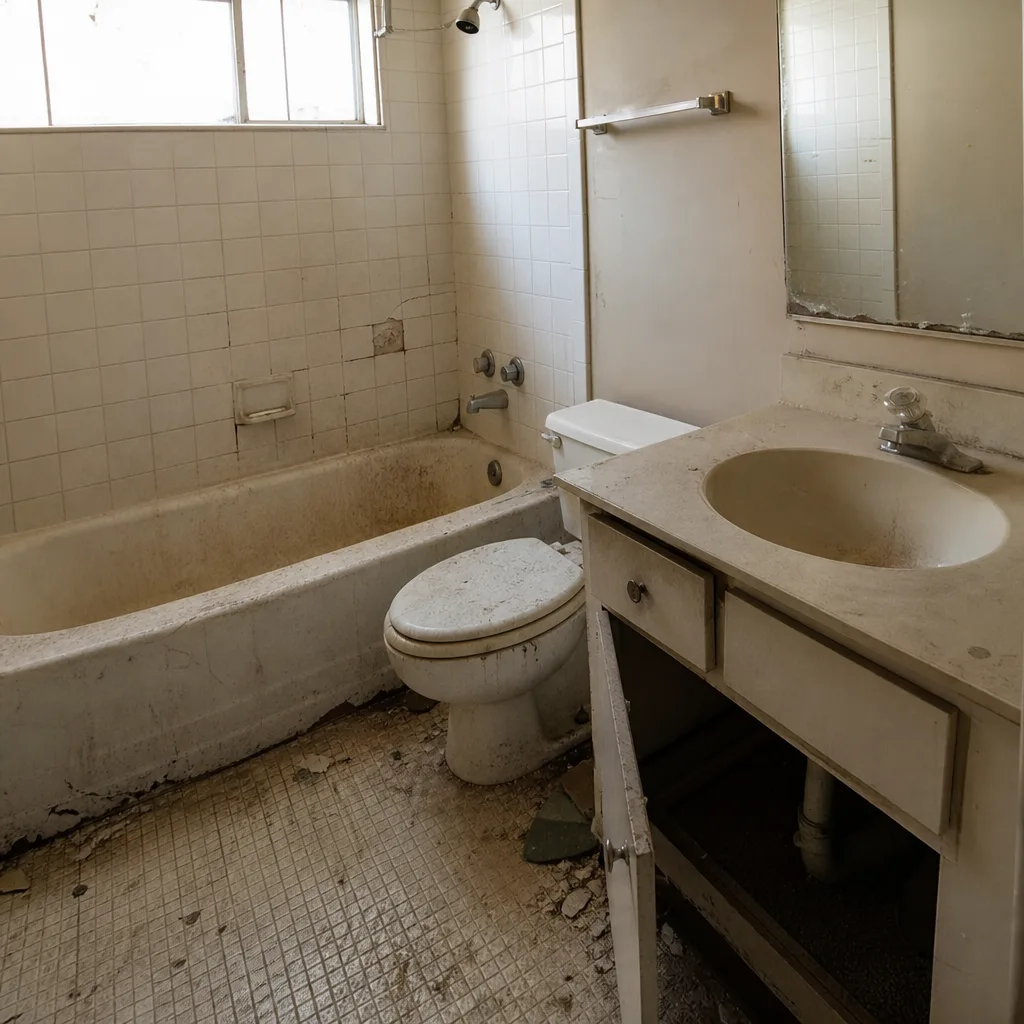
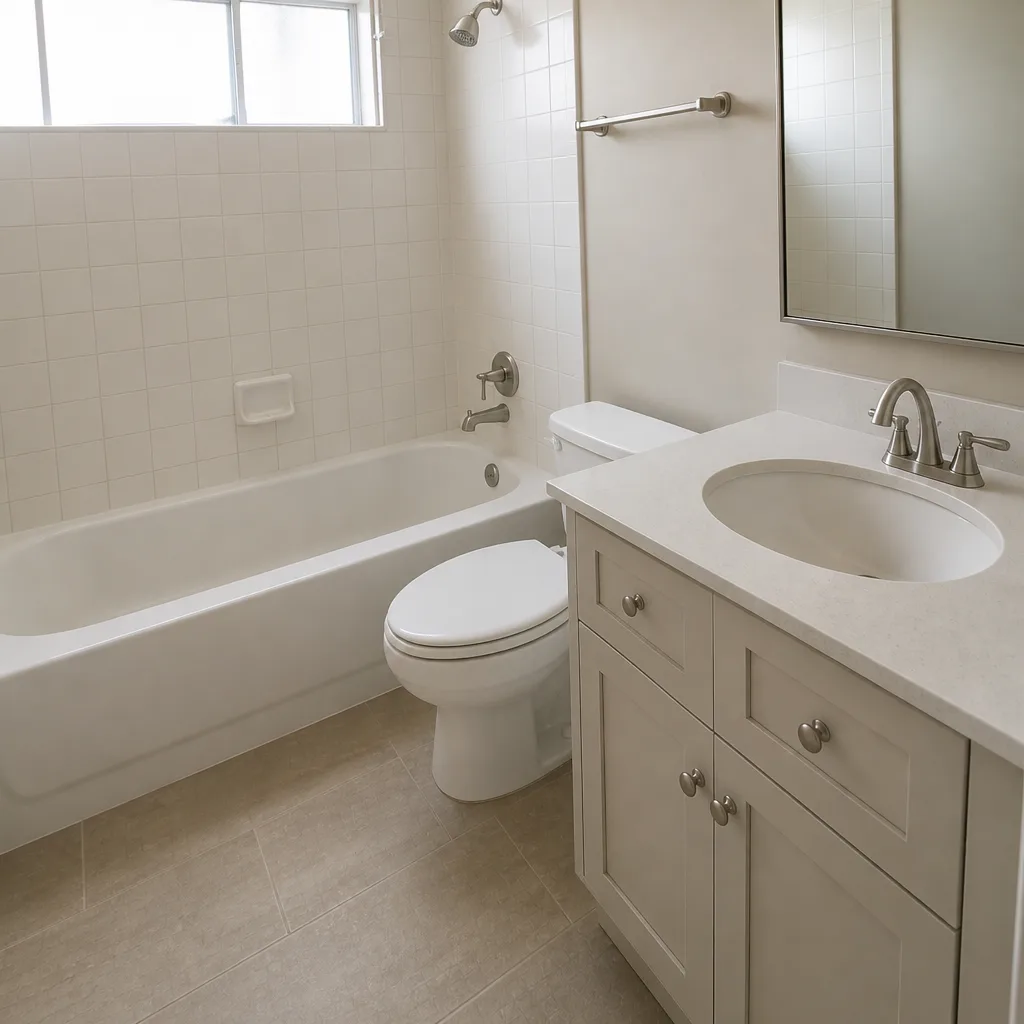
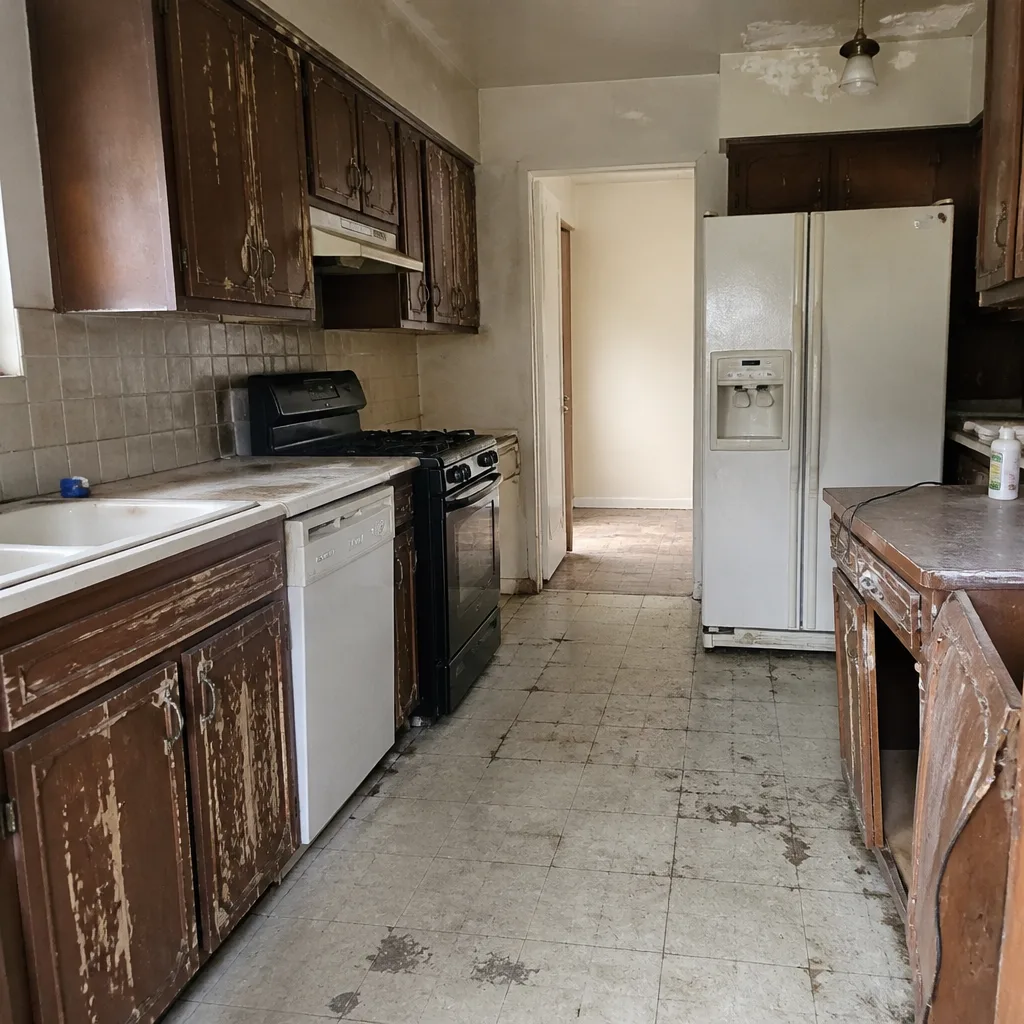
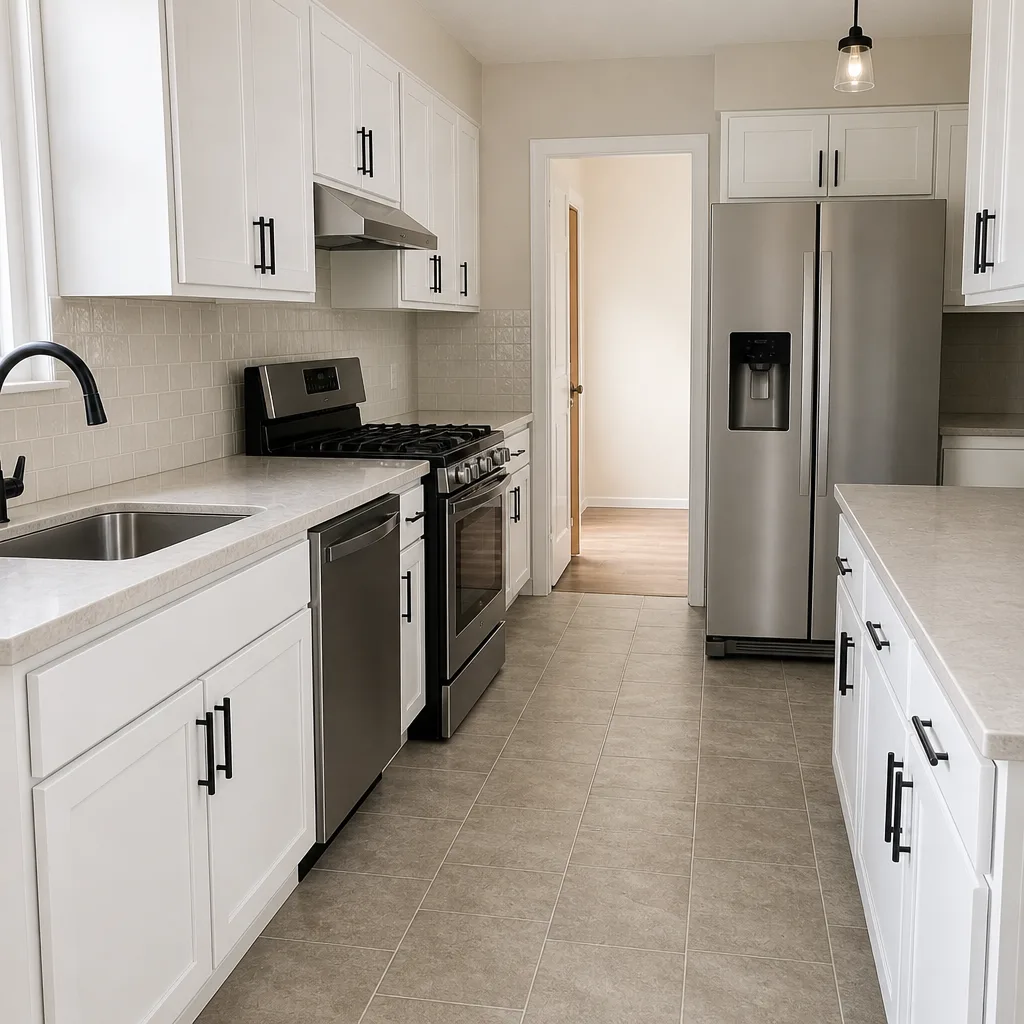
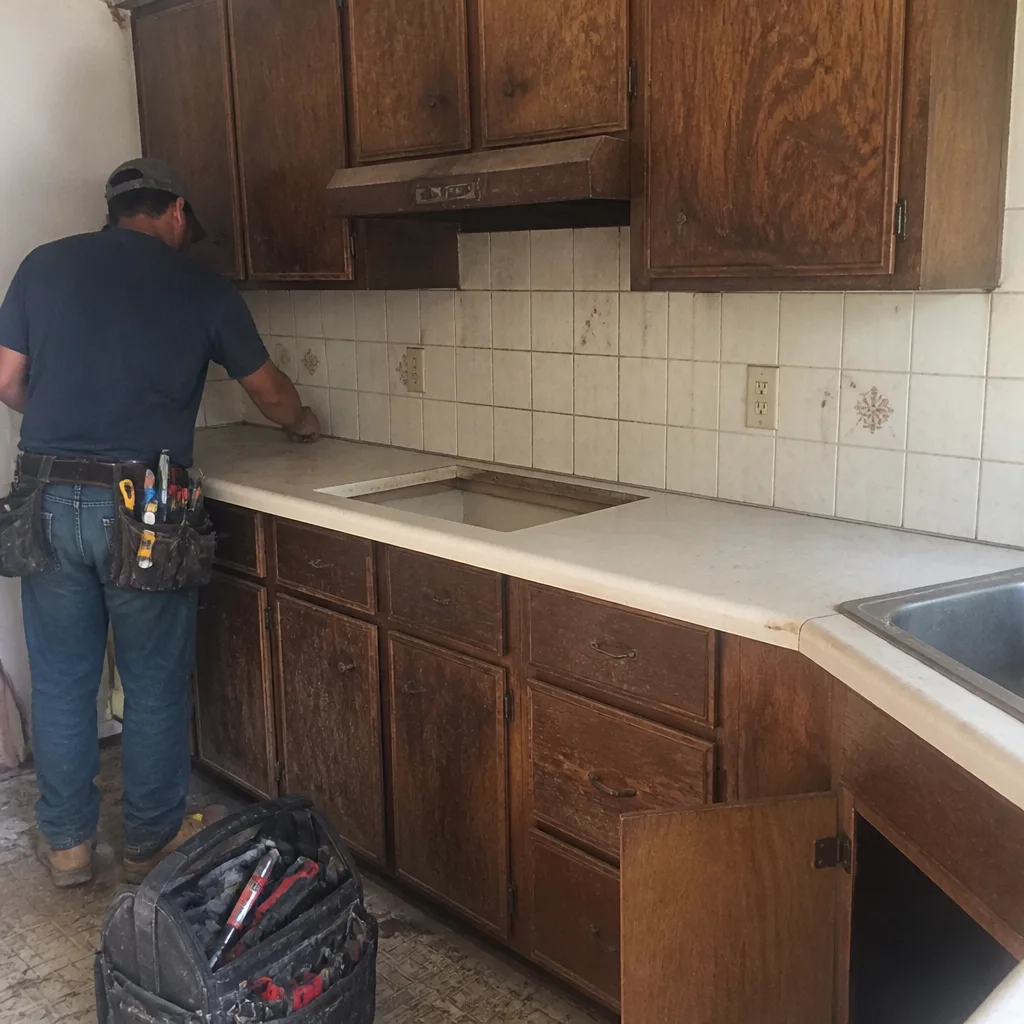
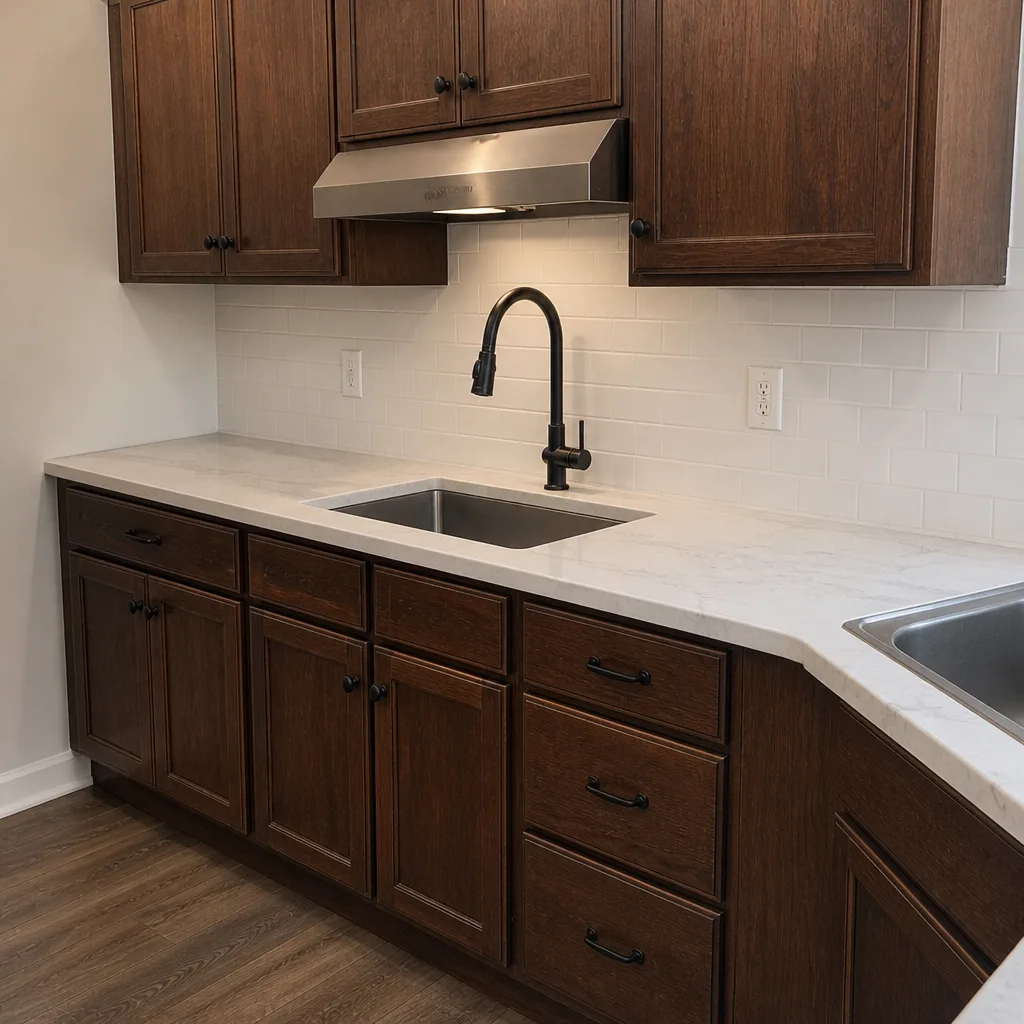
See the difference
 Before
 After
 Before
 After
 Before
 After
When to Call a Professional

If you’re seeing any of the following, it’s time for a licensed contractor: cracks in the slab edge that have grown since last check, multiple doors or windows binding across the house, water staining on the underside of the roof deck, soft spots in fascia or soffit, or any moisture where the wall meets the ceiling. Any suggestion of electrical, gas, or roofing involvement is automatically a professional call – these are dangerous systems and the safety margin for error is zero. When you’re ready to have a trained eye take a look, our team walks Irving homes every week and does it with a written price before any work starts.
Penhallow Remodeling Irving offers free estimates in Irving – call (844) 320-5939 and a live person will answer, day or night. Every visit is with a background-checked, uniformed technician, and every project comes with a written price and our written 365-Day Done Right Promise.
Frequently Asked Questions
A professional maintenance walk-through on an Irving home typically runs $150 to $400 depending on square footage and what’s included, and many contractors (including us) fold it into a free estimate if you’re planning any upcoming work. If the walk-through uncovers foundation, roofing, or HVAC issues, costs for those items are quoted separately with a written line-item price. Call (844) 320-5939 to schedule a free estimate – the visit itself costs nothing.
Twice a year minimum, and three times if you have mature pecan or oak trees over the roofline. Spring (after pollen drop) and late fall (after leaf drop) are the two required passes; add a mid-summer check during dry stretches. Clogged gutters overflowing at the foundation are one of the most common causes of clay-soil foundation movement we see in Irving.
Twice a year in Irving – once in early spring before the summer heat and once in late fall before the first freeze. A single annual caulk check doesn’t account for the temperature swings here. Use a high-movement exterior sealant (polyurethane or elastomeric), not basic acrylic painter’s caulk, and replace failed caulk entirely rather than top-coating it.
The most reliable signs are multiple doors or windows binding at once, new cracks that have grown since your last photo check, and visible separation where brick or stucco meets the slab. A single sticking door in summer is usually heat and wood movement; a pattern across the house is worth a professional look. Keep a dated photo log so you can compare year to year.
Electrical work, gas line work, HVAC work, and any structural or roofing work requiring a permit must be done by a licensed contractor in Texas. Surface maintenance like caulking, gutter cleaning, and exterior painting is homeowner territory. When in doubt about a specific item, ask during a free estimate visit – it’s faster than guessing.
Yes, when the work requires them. Any Penhallow Remodeling project that triggers a permit – kitchen or bathroom remodels, additions, structural work – is permitted and inspected. Surface maintenance items like caulk replacement and gutter repair don’t require a permit. Every project gets a written price before any work starts, so there are no change-order surprises when the permit scope is finalized.
The Bottom Line

Irving homes don’t fail on a national template. They fail on clay soil that moves with the rain, heat that bakes sealant and framing, and freezes that turn one bad downspout into a cracked slab edge. The checklist that actually protects your home is short and boring: gutters cleared and routed 4 to 6 feet out, exterior caulk inspected spring and fall, attic ventilation verified, foundation perimeter photographed twice a year, and every repair documented. Most of these are homeowner items. Anything touching structure, gas, electrical, or the roof belongs with a licensed professional – and that’s where we come in. Give us a call and we’ll walk the house with you, written price in hand, and tell you honestly what needs doing and what doesn’t.
Call (844) 320-5939 for a free estimate. A live person answers, 24/7. Every technician is background-checked and uniformed. Every project comes with a written price up front and our written 365-Day Done Right Promise behind it.
Written by the team at Penhallow Remodeling Irving.