Last updated November 17, 2026






Free written scope consultation - allowances, timeline, and change-order rules on paper before a single trade is scheduled
Seasonal Construction Care for Irving: Year-Round Homeowner’s Guide
The ice storm that hit DFW in February 2021 caused more Irving home damage in 72 hours than the previous three summers combined, and most of that damage started at construction joints and pipe penetrations that looked perfectly fine the October before. That’s the thing about Irving: this city doesn’t get four equal seasons. It gets one long, punishing summer, a couple weeks of real winter that arrive without warning, and two transition periods where the actual structural damage happens. This guide is organized around that real rhythm instead of the snow-belt template most maintenance checklists are written for, and it covers what to inspect, when to inspect it, and where upkeep crosses the line into permitted repair work.
Quick Answer
Irving homeowners should do most exterior sealing, flashing, and caulk work in the shoulder window from late September through November, before the first hard freeze. Summer calls for checking deck fasteners, composite trim, and HVAC penetration sealants that degrade above 95°F, while spring is the time to read efflorescence, stair-step cracking, and door-swing changes as signs of soil movement under the slab. Anything that reaches the slab, framing, roof deck, or utility penetrations usually requires a licensed contractor and an Irving permit rather than a weekend caulk gun.
Styles & brands we work with
- Kitchen remodeling
- Bathroom remodeling
- Home additions & ADU
- Roofing
- Windows & doors
- Driveway & pavers
- Fence
Table of Contents
- Why Irving’s Shoulder Season Is the Real Maintenance Window
- What 95°F Summer Heat Does to Fasteners, Trim, and Sealants
- Preparing Construction Joints and Pipe Penetrations for a Hard Freeze
- What to Inspect and Document After an Irving Ice Event
- Reading Efflorescence, Stair-Step Cracks, and Door Swing in Spring
- When Seasonal Maintenance Becomes Permitted Repair Work
- A Year-Round Irving Maintenance Calendar
Why Irving’s Shoulder Season Is the Real Maintenance Window
The two weeks of genuine winter that reach Irving are unpredictable, but the weeks before them are not. From late September through November, temperatures settle into the 60s and 70s, the ground is still workable, and caulk and sealant cure properly instead of skinning over in the heat. That makes this the one window where exterior prep actually holds through the freeze.
Here’s what we’ve learned to prioritize in that stretch:
- Exterior caulk at every joint where siding meets trim, where brick meets window frames, and around hose bibs. Old caulk that has cracked or pulled away is the number-one entry point for freeze damage.
- Flashing checks at roof-wall intersections, chimney saddles, and the tops of windows. Irving’s wind-driven rain during spring storms finds any gap in flashing that winter shrank.
- Foundation watering adjustments. In summer you may be watering to keep clay from shrinking; by late fall you want to taper off so the soil doesn’t swell against the slab as winter moisture arrives. Sudden saturation after a dry summer is what cracks slabs in the Las Colinas and Valley Ranch areas, where expansive clay soils are common.
- Gutter and downspout clearing before the leaves finish falling, so the first heavy rain doesn’t sheet off the roof and pool at the foundation.
We handle a fair amount of Penhallow Remodeling Irving home calls in October and November where homeowners want a second set of eyes on exterior conditions before winter. That’s the right instinct, because problems caught in the shoulder window are almost always cheaper than problems discovered in February.
What 95°F Summer Heat Does to Fasteners, Trim, and Sealants
Irving regularly strings together weeks above 95°F, and that sustained heat stresses construction assemblies differently than a milder climate would. The damage isn’t dramatic; it’s slow, and it shows up eighteen months later as a loose deck board or a sealant joint that has pulled away from the wall.
The specific failure points we watch for:
- Deck fasteners. Wood expands and contracts with every daily heat cycle. Coated deck screws and nails back out a fraction of a millimeter at a time, and after two summers a rim joist can be noticeably loose. We pull and replace fasteners on any deck we’re remodeling rather than trusting what’s there.
- Composite trim. Composite material moves more in heat than wood does. Trim installed tight against a wall without room to expand will buckle at the butt joints. This matters most on the south and west faces of a house, which in Irving take the full afternoon sun.
- HVAC penetration sealants. The foam or caulk where the refrigerant line set enters the house bakes in summer heat. Once it dries and cracks, you get an open path for both air leakage and, in a freeze, cold air reaching a pipe that wasn’t designed for it.
- Paint and stain on west-facing surfaces. UV combined with heat chalks exterior coatings faster on that side. Plan on recoating west-facing wood every three to four years rather than the five to seven you’d expect elsewhere.
If you’re renovating in summer, materials handling matters too. Prefabricated wall panels from manufacturers like Plant Prefab and Dvele arrive with factory-controlled tolerances, which removes some of the on-site heat-related movement problems, but not the ones in existing construction around them. New panels still meet old framing, and that joint is where the seasonal work is.
Preparing Construction Joints and Pipe Penetrations for a Hard Freeze
February 2021 wasn’t a fluke so much as a reminder. Irving can drop below freezing for days at a time, and the homes that came through that event without burst pipes were usually the ones where someone had already sealed the penetrations and insulated the vulnerable runs.
Here’s the order that matters, from the outside in:
- Seal every exterior penetration. Hose bibs, dryer vents, the HVAC line set, and any conduit entering the wall. Use an exterior-grade sealant rated for the temperature swing, not interior caulk.
- Insulate exposed pipe in the attic and garage. Irving homes on slab foundations often run water lines through the attic. Those lines are the first to freeze and the hardest to reach once they burst.
- Check the sill plate and rim joist area in the crawl space or garage. Air infiltration there is what drops the temperature at the back of a cabinet or under a sink.
- Test the shutoff. Know where your main water shutoff is and confirm it turns. In a freeze event, the homeowners who avoid five-figure damage are the ones who can shut the water off in the first ten minutes.
- Document before the freeze. Photograph the mechanical room, attic, and any existing cracks. Pre-event photos make a post-event insurance claim much simpler.
One note on safety: attic work means ladders, joists, and often a hot, cramped space. If your access is difficult or you’re not comfortable up there, a professional should handle it. The savings from doing it yourself disappear the first time you put a foot through a ceiling.
What to Inspect and Document After an Irving Ice Event
The general homeowner checklist (downed limbs, power lines, gutters) covers the obvious. The construction-specific list is what protects your insurance claim and catches the damage that will cost money next summer if you miss it now.
In the first 48 hours after an Irving ice event, walk the house in this order:
- Ceiling and wall drywall for new staining. Ice dams at the eave push water back under shingles, and it shows up as a faint brown ring before it shows up as a drip.
- Attic-side inspection of the roof deck. Look for water staining on the underside of sheathing and along rafters at the eaves. Take dated photos.
- Joint openings. Construction joints in brick veneer, the corner where two walls meet, and the seam above window headers. Ice expands in any open joint, and after one event you’ll see a visible gap where there was none.
- Pipe penetrations for frost or moisture. Anywhere a pipe leaves the heated envelope.
- Foundation edge for new cracking. Hairline cracks along the slab edge or the garage floor slab, especially where they weren’t there in your pre-event photos.
- Door and window operation. If a door that closed cleanly in January now drags in February, that’s a sign of movement in the framing, not the weatherstripping.
Document all of it with dated photos before any temporary repair. If you do call in a contractor, ask for the written scope before work starts. Our General Contractor in Irving page explains how a written price and documented scope protect you at claim time, which is exactly the point when a verbal estimate stops being useful.
Reading Efflorescence, Stair-Step Cracks, and Door Swing in Spring
Spring in Irving is when the soil tells you what winter did. Expansive clay soils under much of the city swell when wet and shrink when dry, and that movement shows up in a handful of early indicators that a lot of homeowners read as cosmetic.
- Efflorescence is the white, powdery deposit on brick or masonry. It means water is moving through the material and evaporating on the surface. A small patch after a wet spring is normal; a line of it that tracks a crack or a joint means moisture is getting behind the veneer.
- Stair-step cracking in brick or block mortar joints, where the crack steps diagonally along the joints rather than through the brick itself. That pattern usually points to soil movement or differential settlement under the footing.
- Door swing changes. A door that suddenly won’t latch, or drags along the top corner, is one of the earliest signs of framing movement. Check every door in the house in March and note which ones changed.
- New hairline cracks at interior wall corners. Where drywall meets the ceiling or the adjacent wall, a fresh crack after winter often tracks back to the same soil movement.
What makes these useful is that they’re cheap to spot and expensive to ignore. A crack you photograph and monitor for a season tells you something. A crack you seal over without understanding it doesn’t. If you see more than one of these together, especially with a door that changed, that’s worth a professional look before you plan any cosmetic work.
When Seasonal Maintenance Becomes Permitted Repair Work
The line isn’t always obvious, and crossing it accidentally can create a code violation out of what started as upkeep. In Irving, work that touches the structural system, the roof covering beyond minor repair, electrical, plumbing, or mechanical systems, or that changes the footprint or envelope of the house generally needs a permit and an inspection.
The practical rule we use: if the work involves moving or adding a structural member, opening a wall, altering a utility system, or adding a roof penetration, it’s a permitted project, not maintenance. That includes:
- Replacing a section of foundation, or underpinning any part of the slab
- Cutting or adding framing to fix a cracking problem, or sistering a joist
- Repairing a roof penetration, replacing more than a small patch of decking, or adding a skylight
- Rerouting any plumbing line, including the ones in the attic
- Removing load-bearing framing to open a wall
Caulk, paint, gutter cleaning, and visual inspection don’t require any of that. Where homeowners get into trouble is trying to fix a structural crack with a cosmetic patch. That’s a project. If you’re not sure which side of the line you’re on, that question is exactly what a written estimate answers. We walk Irving homeowners through it as part of a free estimate, and the paperwork you get back is specific enough to hold us to.
If you’re already planning something bigger, our Bathroom Remodeling in Irving guide covers how we handle permits and inspections on projects where the plumbing and framing are getting opened up anyway.
A Year-Round Irving Maintenance Calendar
This is the version organized around Irving’s real climate rhythm. Treat it as a starting point and adjust for your home’s age and construction.
- Late September to November (shoulder season): exterior caulk, flashing, gutter clearing, foundation watering taper, HVAC penetration reseal, attic pipe insulation inspection.
- December through February (freeze risk): confirm the main water shutoff works, keep cabinet doors under sinks open during hard freezes, watch for ice damming, document any event damage with dated photos before repair.
- March through May (spring inspection): walk the exterior for efflorescence and stair-step cracking, test every door and window for swing changes, check roof and gutters after storms, photograph anything new.
- June through August (summer stress): check deck fasteners, inspect composite trim for buckling at butt joints, look at sealants on west-facing walls, plan any recoating or paint work for early morning.
For homeowners planning work in the shoulder season, the timing matters. We can get kitchen and bath projects scheduled in the fall window before the freeze and finish it in a season where materials aren’t baking in a driveway. That’s a real advantage of planning around the calendar rather than around whatever week a contractor frees up. More on that in our Kitchen Remodeling in Irving guide.
Common Mistakes to Avoid
- Treating summer as the maintenance season. Caulk applied at 100°F skins over before it bonds, and sealant joints laid in August typically fail the first freeze. Move exterior sealing to the fall window.
- Ignoring HVAC penetration sealants because the HVAC still works. The sealant can be shot for two years before you notice anything. It’s a five-minute visual check that prevents a freeze-damaged line set.
- Sealing over a stair-step crack instead of documenting it. If you tuck-point the crack without watching the pattern, you lose the diagnostic information. Photograph, monitor for a season, then decide.
- Filing an ice-damage insurance claim without pre-event photos. Photos from October are the difference between a clean claim and a contested one. Take them every year in the fall.
- Replacing a door or window that won’t close properly after a freeze without checking the framing. The door usually isn’t the problem. The framing behind the hinge jamb moved.
- Assuming the foundation isn’t moving because there’s no visible crack inside. Exterior mortar cracks and door swing changes show up months before interior drywall cracks do. Read the exterior first.
- Extending a handyman repair into a structural fix without a permit. In Irving, structural framing and foundation repairs require a permit and an inspection. Skip that step and you’ve created a code violation in the middle of a maintenance task.
See the difference
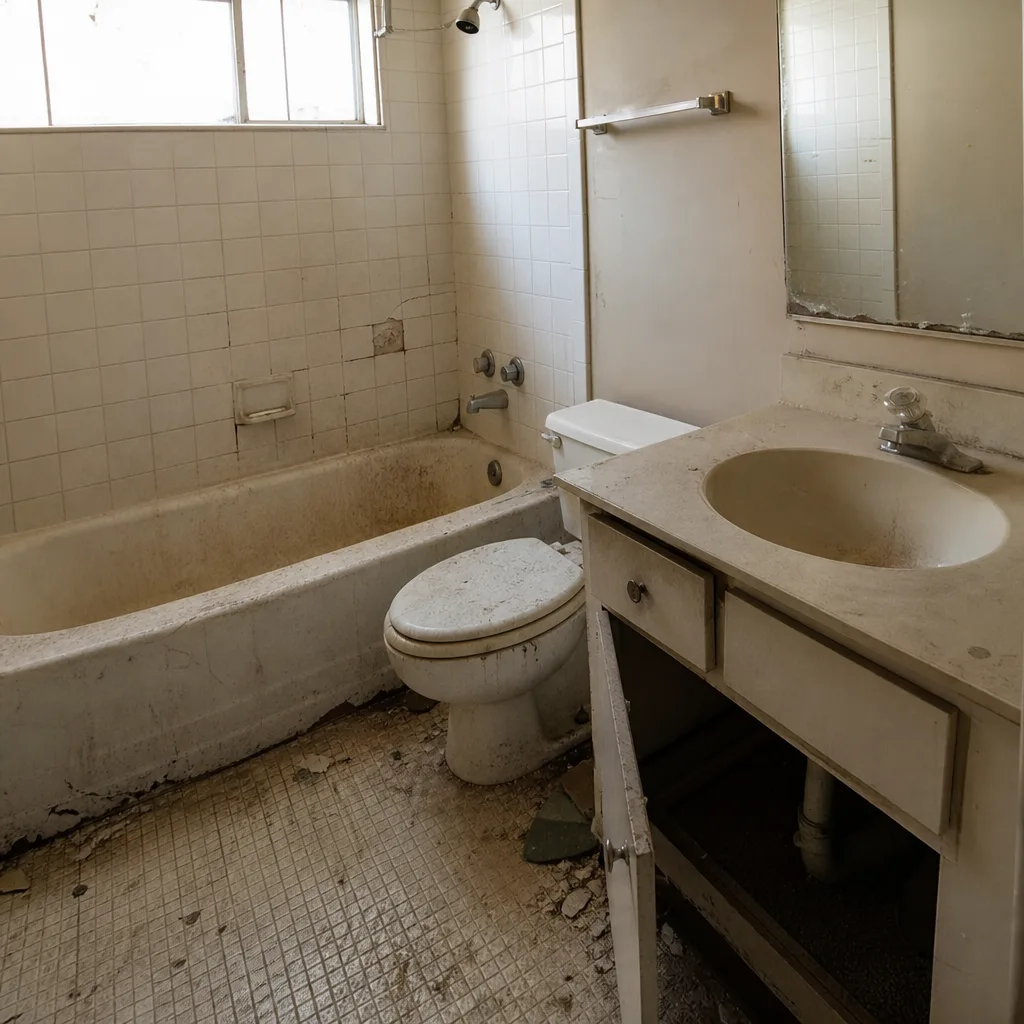 Before
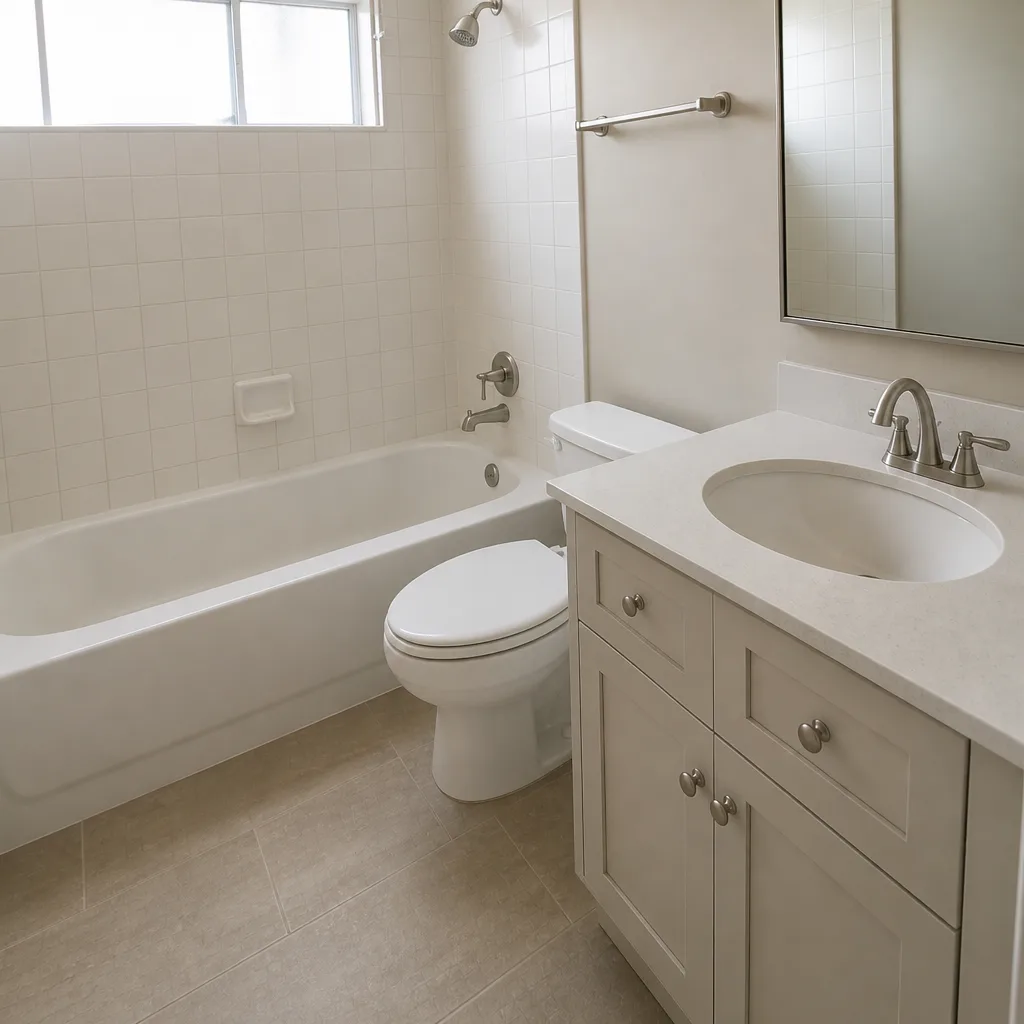 After
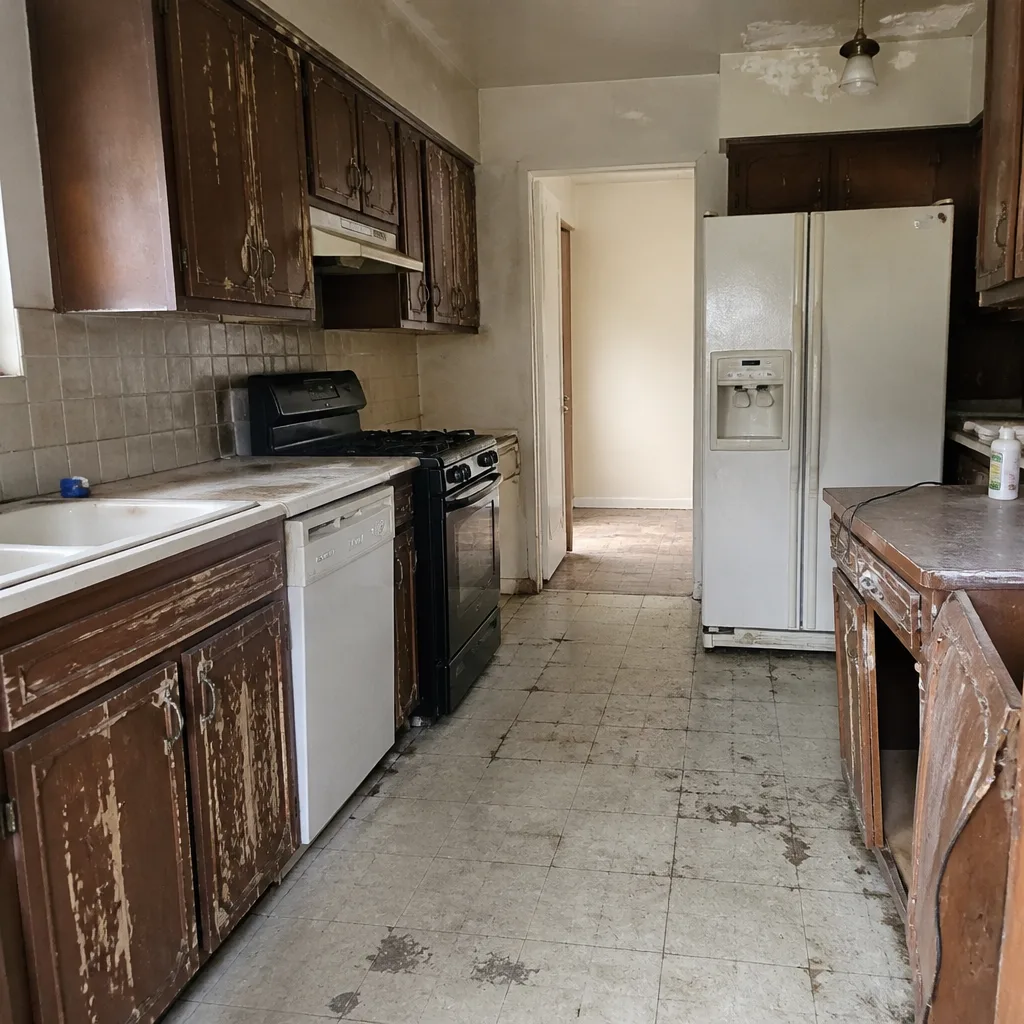 Before
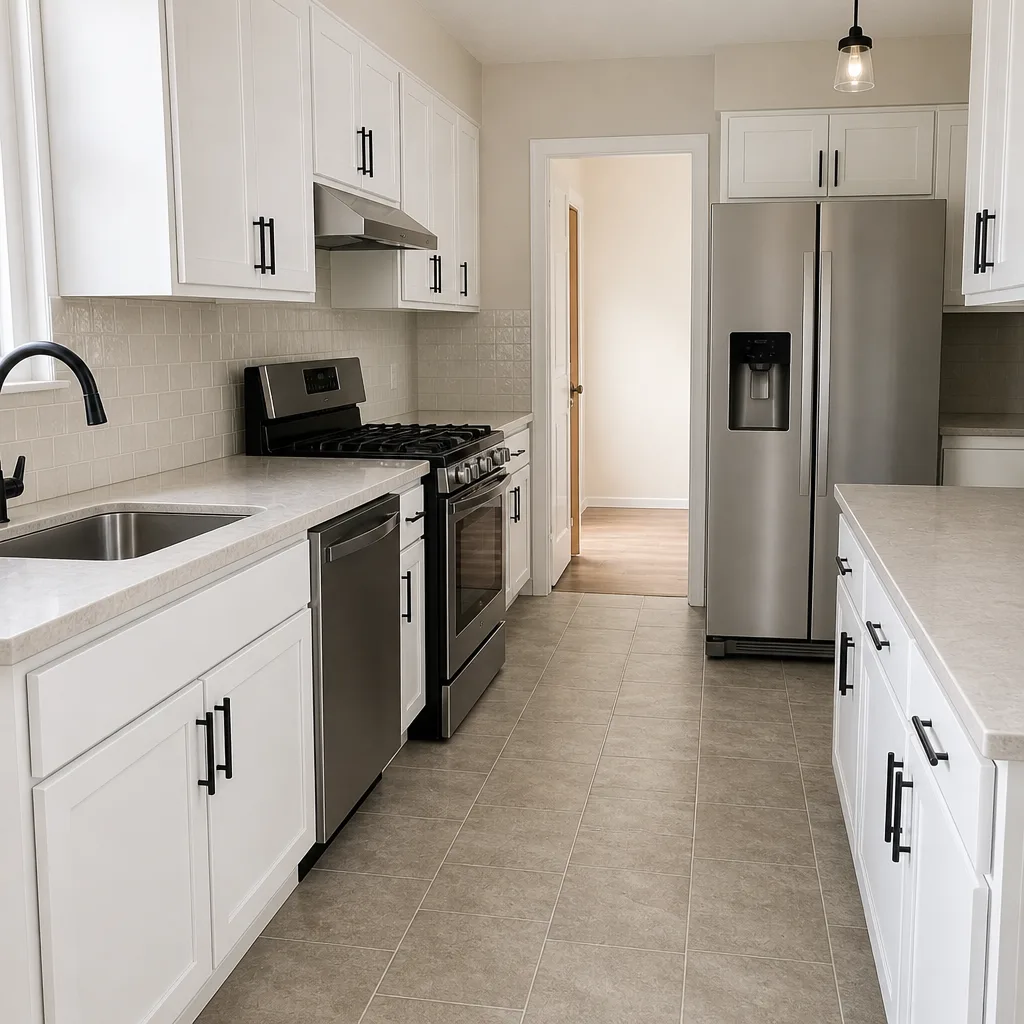 After
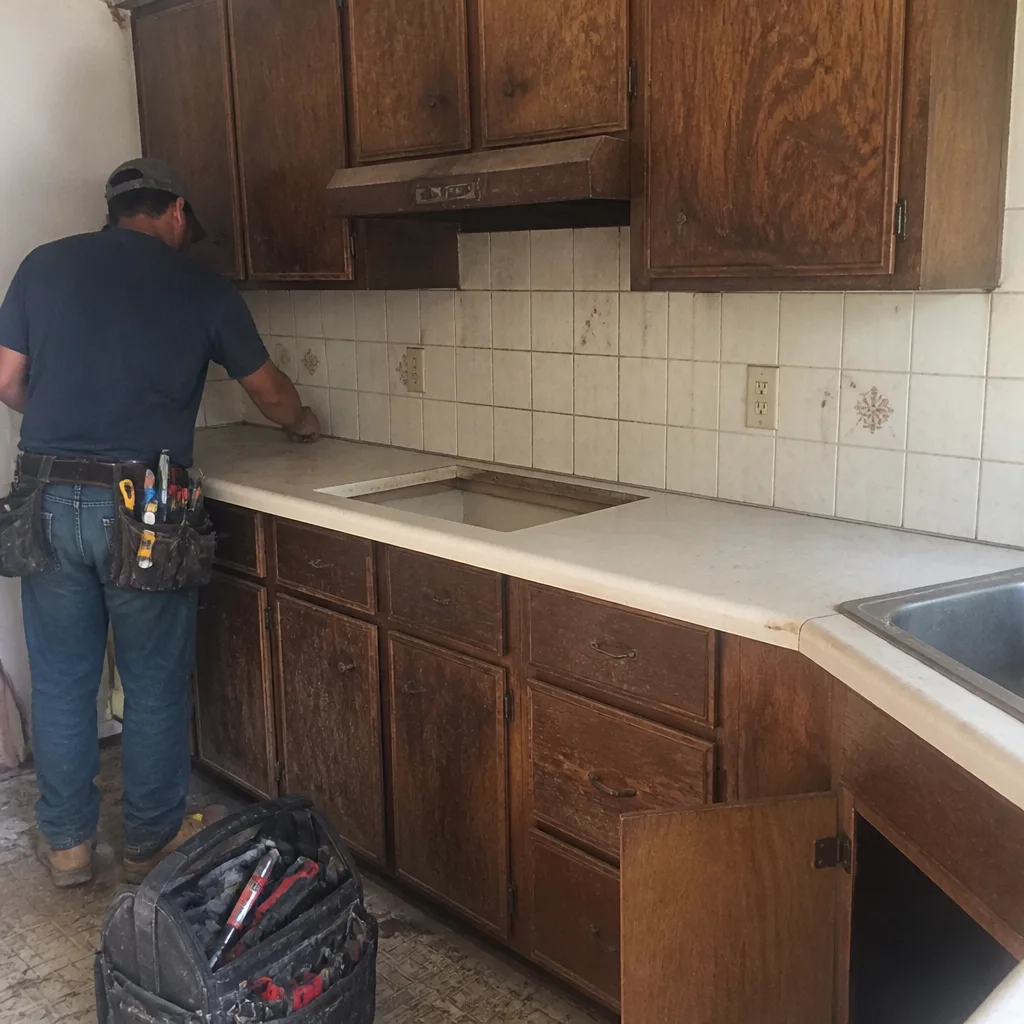 Before
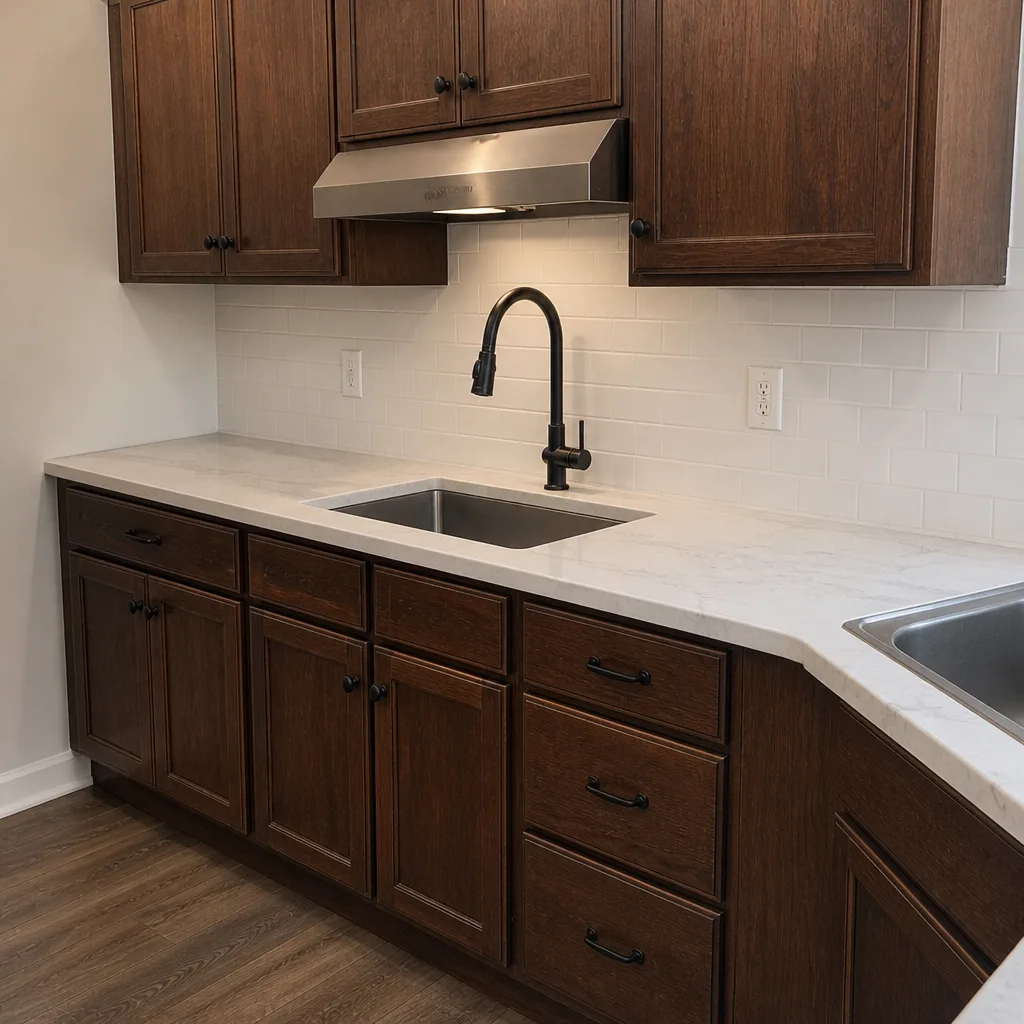 After
When to Call a Professional
Call a licensed contractor when a seasonal finding involves the structural system, the foundation, the roof covering, or any utility penetration. That’s a narrower list than most homeowners expect and a broader one than most want it to be. Specific triggers: two or more stair-step cracks in exterior masonry, a door that’s changed its swing in the last six months, water staining on the underside of the roof deck, efflorescence that traces a crack, or any freeze event with visible joint openings after the thaw. Those are all situations where diagnosis before repair saves money.
Penhallow Remodeling Irving offers free estimates in Irving. Call (844) 320-5939 to schedule one. The written estimate you get back names every line of work and the price before anything starts, and the 365-Day Done Right Promise backs the finished work in writing.
Frequently Asked Questions
Late September through November is the best window for exterior caulk, flashing, and sealant work in Irving. Temperatures are in the 60s and 70s, materials cure properly, and the work holds through the first freeze. Spring is the next-best window, but the fall gives you the full winter before the next heat cycle.
Stair-step cracks that follow the mortar joints diagonally, or any crack wider than a hairline, are worth a professional look. A single hairline crack in one joint is usually cosmetic. Efflorescence tracing the crack, or a door that’s changed its swing nearby, makes it more serious. Call (844) 320-5939 for a free estimate if you’re unsure.
Yes. Irving’s freeze events can push water lines in the attic below freezing, and those lines are the most common burst-pipe location. Seal exterior penetrations and insulate exposed pipe before the first hard freeze. If attic access is difficult or the space is tight, a professional should handle it.
No. Exterior caulk, paint, gutter cleaning, and visual inspection don’t require a permit in Irving. Work that touches framing, the foundation, roof decking, electrical, or plumbing does. If a crack in the wall points to a structural problem, the repair is a permitted project, not maintenance.
West-facing surfaces in Irving take the full afternoon sun through the summer, and that combined heat and UV breaks down exterior paint faster than on any other face. Expect to recoat west-facing wood every three to four years rather than the five to seven you’d get on a shadier exposure. Composite trim and sealants on that side also age faster.
Start with your own dated photos before any repair, then call your insurance company. A licensed contractor can inspect the construction-specific damage (roof deck, joint openings, pipe penetrations) and provide a written scope you can submit with the claim. Call (844) 320-5939 for a free estimate and a written scope.
The Bottom Line
Irving’s climate doesn’t fit the four-season template. The damage happens in the transition windows, at the joints and penetrations that were fine all summer, and the ice events that arrive without warning are where the biggest losses occur. Do the exterior sealing and flashing work in the fall shoulder season, check deck fasteners and sealants in the summer, read cracks and door swings in the spring, and document everything with dated photos. When the work touches framing, the foundation, the roof deck, or a utility, it’s a permitted project, not maintenance, and that’s the call worth making early. Call (844) 320-5939 for a free estimate.
Written by the team at Penhallow Remodeling Irving.