Last updated November 17, 2026

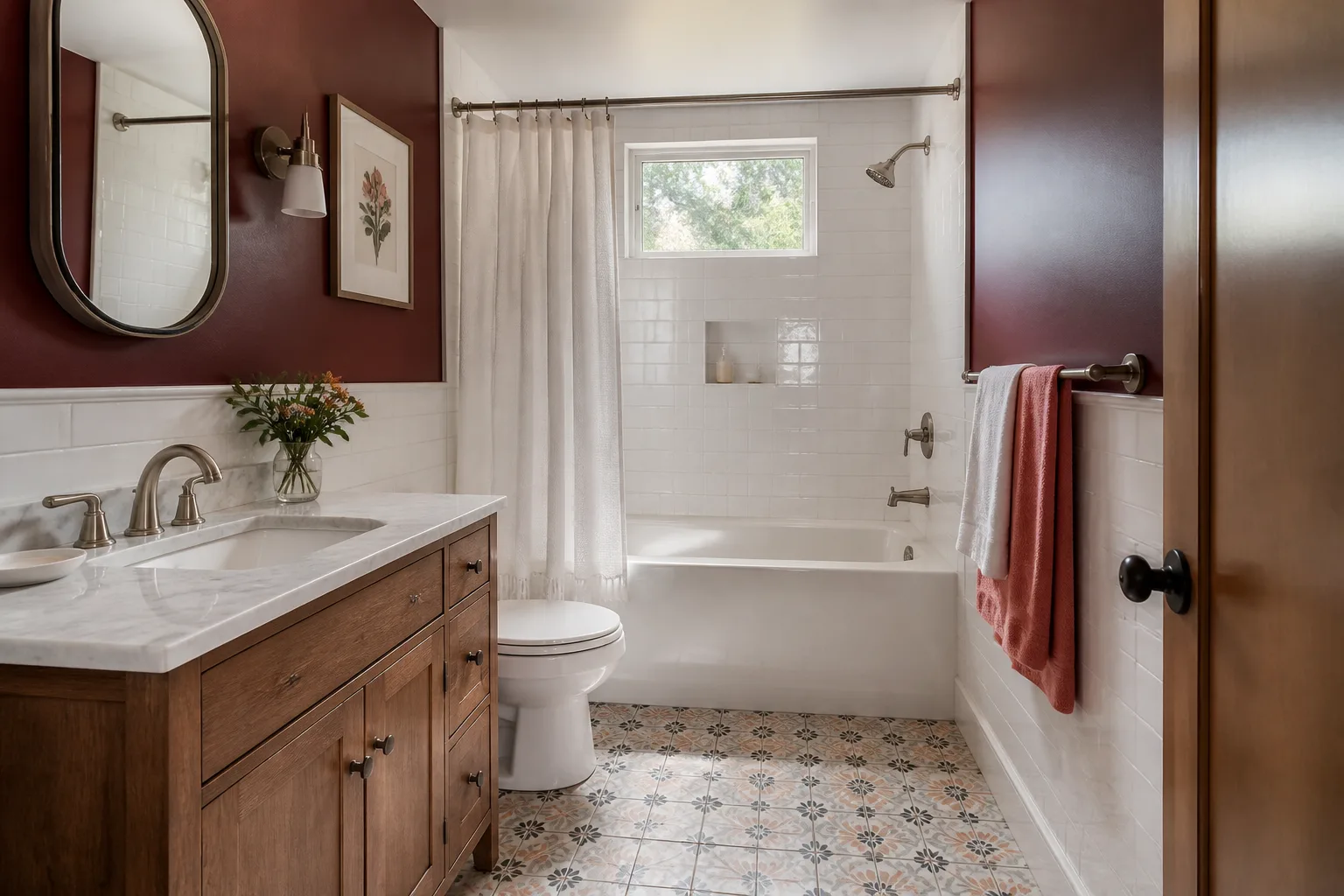
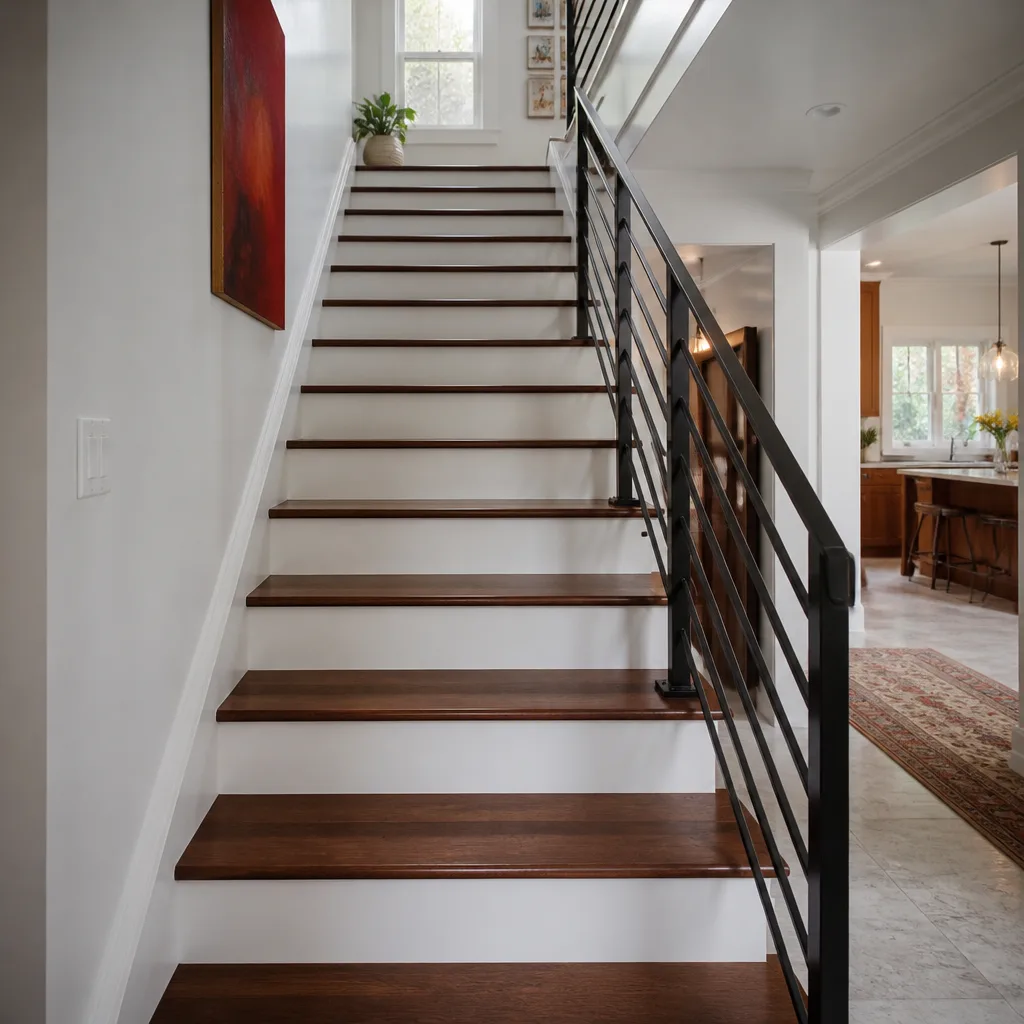
Free written scope consultation - allowances, timeline, and change-order rules on paper before a single trade is scheduled
DIY vs Professional General Contractor: What’s Safe to Do Yourself
Here’s a fact that surprises most homeowners: in Texas, you can legally pull your own building permit and do almost any work on the home you live in. No state license is required to swing a hammer, run wire, or even knock down a wall on your own primary residence. But there’s a catch most people don’t learn until it’s too late. If unpermitted or improperly done DIY work contributes to a loss, your homeowner’s insurance carrier can deny the claim – even years after the project was finished. This guide draws the line between what’s safe to tackle yourself and what belongs in a professional’s hands, with the legal and insurance details that matter for Irving homeowners.
Quick Answer
Texas homeowners can legally self-perform most work on their primary residence without a licensed contractor, including pulling owner-builder permits. But electrical panels, gas lines, structural modifications, and load-bearing wall removal are jobs where DIY is almost always the wrong call – both for safety and for your insurance coverage. Cosmetic work like painting, tiling, and trim is genuinely safe to do yourself. Anything behind the drywall, under the floor, or holding up the roof should go to a professional.
Styles & brands we work with
- Kitchen remodeling
- Bathroom remodeling
- Home additions & ADU
- Roofing
- Windows & doors
- Driveway & pavers
- Fence
Table of Contents
- The Texas Homestead Exemption: What It Actually Lets You Do
- What “Owner-Builder” Permit Status Means in Irving
- Projects That Are Genuinely Safe to DIY
- The Four Trades Where DIY Is Almost Always Wrong
- The Insurance Question Most Homeowners Skip
- Does DIY Actually Save Money? A Cost Reality Check
- Irving-Specific Code and Inspection Notes
The Texas Homestead Exemption: What It Actually Lets You Do
Texas is one of the most permissive states in the country when it comes to homeowners working on their own property. The homestead exemption – the same protection that caps your property tax appraisal – also underpins your right to improve your primary residence without a licensed general contractor. You can apply for permits in your own name, hire subcontractors directly, and act as your own “builder” on the project.
That permission comes with real responsibility. When you sign as the owner-builder, you’re certifying that you’re doing the work yourself or managing it directly, that you’ll meet code, and that you accept liability for the result. The city doesn’t inspect your competence. It inspects the work.
What this means in practice:
- You can legally do almost anything on your own home – plumbing, electrical, framing, drywall – as long as you pull the right permits and pass inspection.
- The exemption applies only to your primary residence. Rental properties, flip houses, and second homes require licensed contractors in most Texas jurisdictions.
- You cannot do the work on someone else’s home for pay without a license. Helping a neighbor for free is one thing; charging for it is contracting without a license.
- Homeowners associations can override state rules. Many Irving HOAs restrict exterior changes, roof materials, and even fence heights regardless of what the state allows.
- The homestead exemption doesn’t protect you from liability. If a guest is injured by your DIY work, your insurance may cover it – or may deny it as unpermitted work.
The homestead exemption is real permission to work on your own home. It isn’t a promise that the work will be safe or insurable, and too many Irving homeowners learn that difference the hard way.
What “Owner-Builder” Permit Status Means in Irving
When you apply for a permit in Irving as the homeowner, you sign as an “owner-builder.” That signature means you’re certifying four things to the city:
- You own the property and it’s your primary residence (or a family member’s, in certain cases).
- You’ll personally perform or directly supervise all the work.
- You accept responsibility for meeting all applicable codes and passing all inspections.
- You’ll disclose the work when you sell the home – Texas requires disclosure of known defects and unpermitted work.
What that signature doesn’t mean: it doesn’t mean the city has vetted your ability to do the work. It doesn’t guarantee inspections will pass. It doesn’t override your HOA’s rules. And it doesn’t shield you from liability if something fails.
We’ve seen Irving homeowners get into real trouble signing as owner-builders on structural jobs. Load-bearing wall removal, foundation repair, and additions often get flagged during resale because the next buyer’s inspector finds unpermitted work. In several cases, the homeowner had to retroactively pay for engineering reports and reinspection years after the project was “complete.” The permit is the easy part. The disclosure obligation is what follows you.
Projects That Are Genuinely Safe to DIY
Most of what looks like a project on a home improvement show is genuinely safe to do yourself. These jobs don’t touch the systems that keep your home structurally sound or insurable, and any mistake is cosmetic rather than dangerous.
- Interior paint – walls, ceilings, trim, doors. No permits, no inspection, no risk beyond a bad tape line.
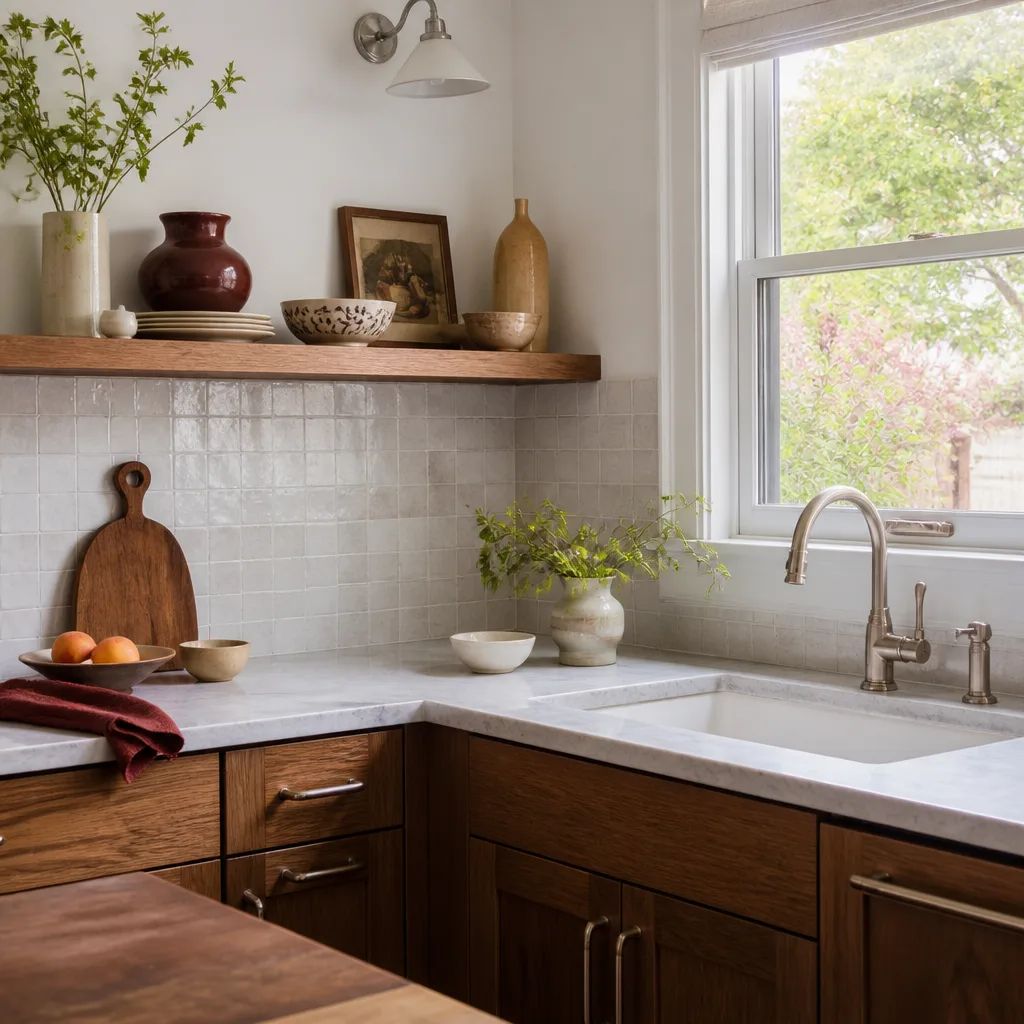
- Tile backsplash – as long as you’re not moving outlets, a kitchen backsplash is a good starter project.
- Baseboards, crown molding, and trim work – mostly carpentry and finish, mistakes are visible but harmless.
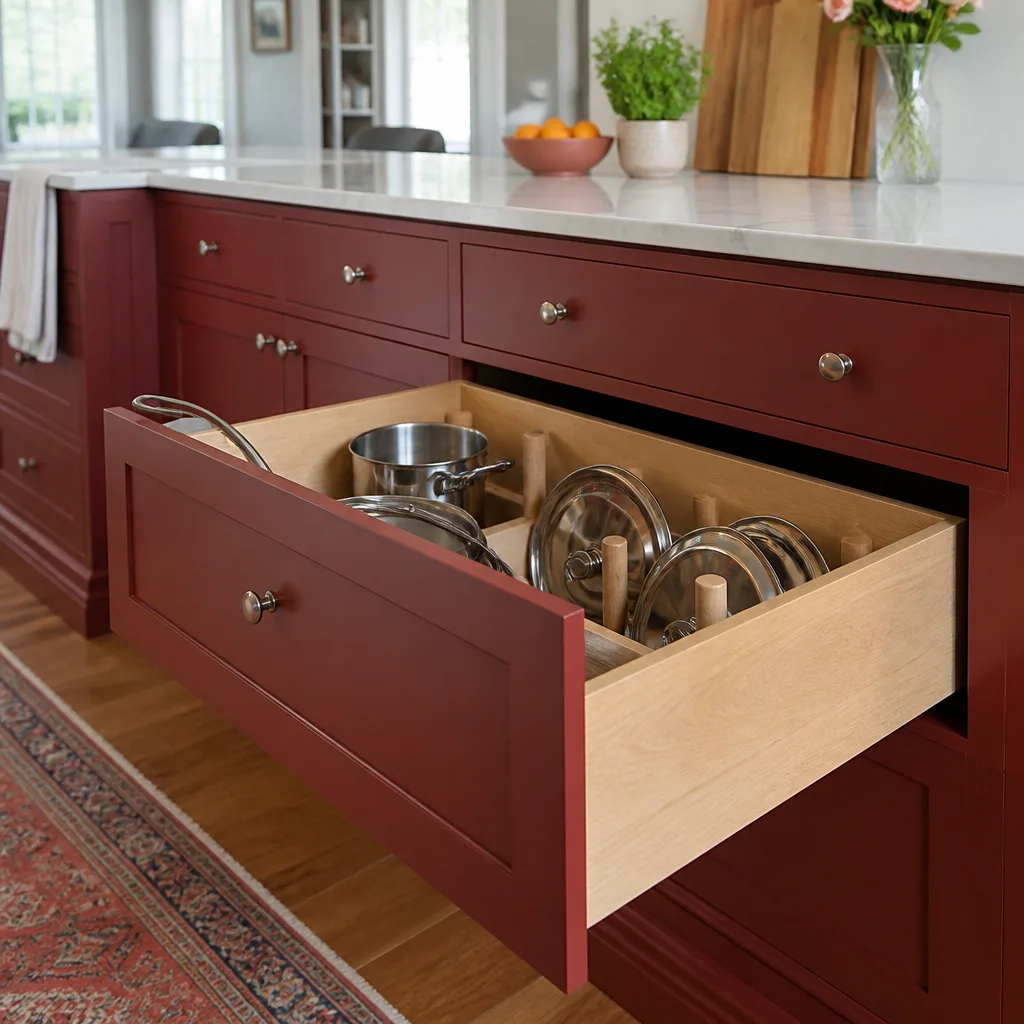
- Cabinet hardware and pulls – new handles and drawer slides transform a kitchen for a couple hundred dollars.
- Shelving, closet organizers, and built-in storage – if you’re hitting studs and using proper anchors, these are fine.
- Fence repair and staining – most Irving subdivisions allow fence repair without a permit, though check your HOA first.
- Landscaping, mulch, and bed edging – no permit, no inspection, real curb appeal.
- Replacing a faucet, toilet, or light fixture – legal to DIY in Texas; the trade is forgiving if you shut the water off first.
For bigger projects – the kind that involve doors wider than 30 inches, higher-end cabinetry, or cove ceilings that need real finish carpentry – the value of a professional is in the detail work as much as the safety. Bring a pro in when the scope crosses from “paint” to “paint and rehang the doors after we re-set the jambs.”
The Four Trades Where DIY Is Almost Always Wrong
Some jobs are a weekend project. These aren’t. In our experience working on remodels in Irving, these four categories account for the vast majority of expensive DIY mistakes we’re called in to fix.
1. Electrical panels and major wiring
A panel replacement isn’t a bigger version of swapping an outlet. It’s working hot, in a metal box, with 240 volts and no second chance if you make a mistake. Even experienced electricians use insulated tools, wear arc-rated protective gear, and work with a spotter. The DIY cost savings on a panel swap are typically $1,200 – $2,500 – but the risk is a house fire, a denied insurance claim, or worse. Texas law lets you pull the permit. It doesn’t make the work safe.
2. Gas lines
Gas is the one trade where almost every jurisdiction – including Irving – effectively requires a licensed plumber for new connections and repairs. A small leak is invisible, odorless in low concentrations, and potentially catastrophic. The cost of running a new gas line for a range or dryer is $350 – $900 for a professional. Call one.
3. Structural modifications
This includes removing any wall that might be load-bearing, cutting new openings in exterior walls, adding beams or headers, and underpinning a foundation. The cost of a structural engineer’s report plus framing labor is typically $2,500 – $8,000 for a wall removal. Retrofitting a failed DIY structural job can run three to five times that. There’s no safe version of “let’s see what happens.”
4. Load-bearing wall removal
Load-bearing walls carry roof and second-floor weight. Taking one out without proper engineering, a beam sized to spec, and correct post placement is how ceilings sag and foundations crack. And even after a successful DIY removal, you’ll need a structural engineer’s letter to sell the home – a cost you can avoid entirely by hiring a pro who handles the engineering and permits from the start.
Roof work and window installation
Steep roof and height work is another category where DIY rarely makes sense. Roof pitch over 6/12 means potential falls, and replacing windows high up involves the same risk plus proper flashing and sealing to prevent water intrusion. Window installation isn’t just removing and replacing; it’s making sure the rough opening is properly wrapped, flashed, and sealed so Irving’s spring storms don’t find an entry point. We install window brands like PGT and CGI where the warranty contributes to the guarantee; that warranty becomes difficult to claim on a self-installed window.
The Insurance Question Most Homeowners Skip
This is the question almost nobody asks before starting a DIY project: does your homeowner’s insurance policy require licensed contractors for covered repairs? The answer varies by carrier, by policy language, and by how the claim originates.
Under most Texas homeowner policies, the carrier requires that work on “building systems” – electrical, plumbing, HVAC, and structural – be performed by licensed trades. If you self-perform that work and it later contributes to a loss (a water leak from a DIY plumbing job that floods the house, an electrical fire from a handyman-installed circuit), the carrier can deny the claim under the “negligent workmanship” or “unpermitted work” exclusion.
What to check before picking up a tool:
- Read your policy’s exclusions section. Look for language around “faulty workmanship,” “unpermitted work,” and “building code violations.”
- Call your agent and ask directly: “If I do this work myself and it later causes damage, will the claim be covered?” Get the answer in writing if you can.
- Confirm disclosure obligations in Texas. When you sell, you must disclose known defects and any unpermitted work you’re aware of. A buyer’s inspector will find unpermitted work quickly. Undisclosed unpermitted work can expose you to liability for the difference in value, plus legal fees.
- Document permits and inspections. If you did pull permits, keep the paperwork. If you didn’t, know that the next owner’s inspector will ask.
We get asked whether it’s worth pulling a permit for small DIY work. Our honest answer: for anything that touches electrical, plumbing, or structure, yes. For a backsplash or paint, generally no. The grey zone is anything that might affect the next buyer’s inspection – and in Irving, inspectors are thorough.
Does DIY Actually Save Money? A Cost Reality Check
The honest answer is: sometimes, and less often than you’d think. Here are the cost ranges we see most often on Irving remodels, compared side by side with the realistic DIY cost, factoring in materials, tools, time, and the risk-adjusted cost of a failure.
| Project | Pro Cost (Irving ranges) | DIY Cost (realistic) | DIY Verdict |
|---|---|---|---|
| Interior paint (whole home) | $3,500 – $7,500 | $900 – $2,000 including supplies | Genuine savings. Do it yourself. |
| Tile backsplash | $850 – $1,800 | $300 – $700 | Good savings if you’re patient. |
| Faucet or toilet replacement | $200 – $650 installed | $100 – $400 in materials | Worth it for basic swaps. |
| Electrical panel replacement | $2,200 – $4,800 | Not safe to DIY | Never DIY. Insurability risk. |
| Load-bearing wall removal | $3,500 – $9,000 | Not safe to DIY | Never DIY. Requires engineering. |
| Kitchen cabinet replacement | $6,500 – $22,000 depending on line | Rarely worth it – fit issues are common | Call a pro for anything beyond hardware. |
| Bathroom tile and waterproofing | $4,500 – $12,000 | High failure risk | Waterproofing is where DIY failures happen. |
| Roof replacement | $9,500 – $22,000 | Not safe to DIY | Height and injury risk. |
The pattern across most projects is that DIY saves real money on surface work and defers cost on anything hard-wired into the home. Saving $4,000 on a DIY panel job by spending $300 in parts is not saving $4,000 – it’s betting your insurability on a license you don’t have. The gap between “I saved $4,000” and “my insurance dropped me” is usually six figures of future headache.
Irving-Specific Code and Inspection Notes
Irving uses the 2021 International Residential Code with local amendments, and inspections are handled through the city’s Building Inspections division. A few specifics that come up often on Irving remodels:
- Permits are required for structural work, additions, electrical service changes, new plumbing fixtures, roofing, and any addition of more than 100 square feet of unfinished space. Cosmetic work – paint, tile, flooring – does not require a permit.
- Foundation repair requires an engineer’s letter in Irving. DIY foundation work is not legally permitted on a primary residence.
- HVAC replacement requires a licensed mechanical contractor, even if you pull the permit as owner-builder.
- Irving’s expansive clay soil causes foundation movement that DIY fixes (patching, cosmetic leveling) rarely address. The visible symptom is usually a symptom, not the problem.
- HOA rules in neighborhoods like Las Colinas, Valley Ranch, and Hackberry Creek often restrict exterior changes beyond what the city requires. Check your HOA before you check the city.
- Inspections book out 3 – 10 days during peak spring and fall. Plan your DIY timeline accordingly.
For any project that crosses the line from cosmetic into system or structure, the professionals to have on your side are the ones who know Irving code, know the inspectors, and know which brands hold up – that’s the standard we work to as the Penhallow Remodeling Irving home team, and the same standard our team brings to General Contractor in Irving, Kitchen Remodeling in Irving, and Bathroom Remodeling in Irving projects across the area.
Common Mistakes to Avoid
- Skipping the permit to “save time.” Unpermitted work will surface during a buyer’s inspection or an insurance claim – often years after the project ended. In Irving, inspectors are thorough and the paper trail matters.
- Assuming the homestead exemption makes everything safe. Texas law allows the work; it doesn’t make a DIY panel safe or make your insurance cover the result. The legal permission and the safety reality are two different questions.
- Reading the tool rental aisle as a permission slip. Rental yards will hand you a tile saw without asking whether your shower pan is waterproofed correctly. The tool is available; the craftsmanship isn’t automatic.
- Underestimating drying time and moisture. Bathroom and kitchen remodels fail at the waterproofing layer first. Cement board substrate (the moisture-resistant layer behind your tile) needs proper waterproofing membrane and 48 – 72 hours of curing before tile goes down – and if you skip that step, the shower will leak into the wall within two years.
- Buying builder-grade materials for a “forever” home. DIY savings evaporate when you’re re-doing the same project in five years. Cabinet lines like KraftMaid and Wellborn, and countertops from Cambria or Silestone, are made for a different lifespan than what you’ll find at a big-box store – that’s why we source from recognized brands.
- Tackling a project you’ll need to sell within two years. Unpermitted work can reduce your home’s appraised value and complicate the sale. If a move is on the horizon, hiring a pro who pulls permits protects the resale.
- Not calling your insurance company first. A five-minute call to your agent can protect you from a five-figure denial. Ask, in writing, whether self-performed work on electrical, plumbing, or structure is covered.
See the difference
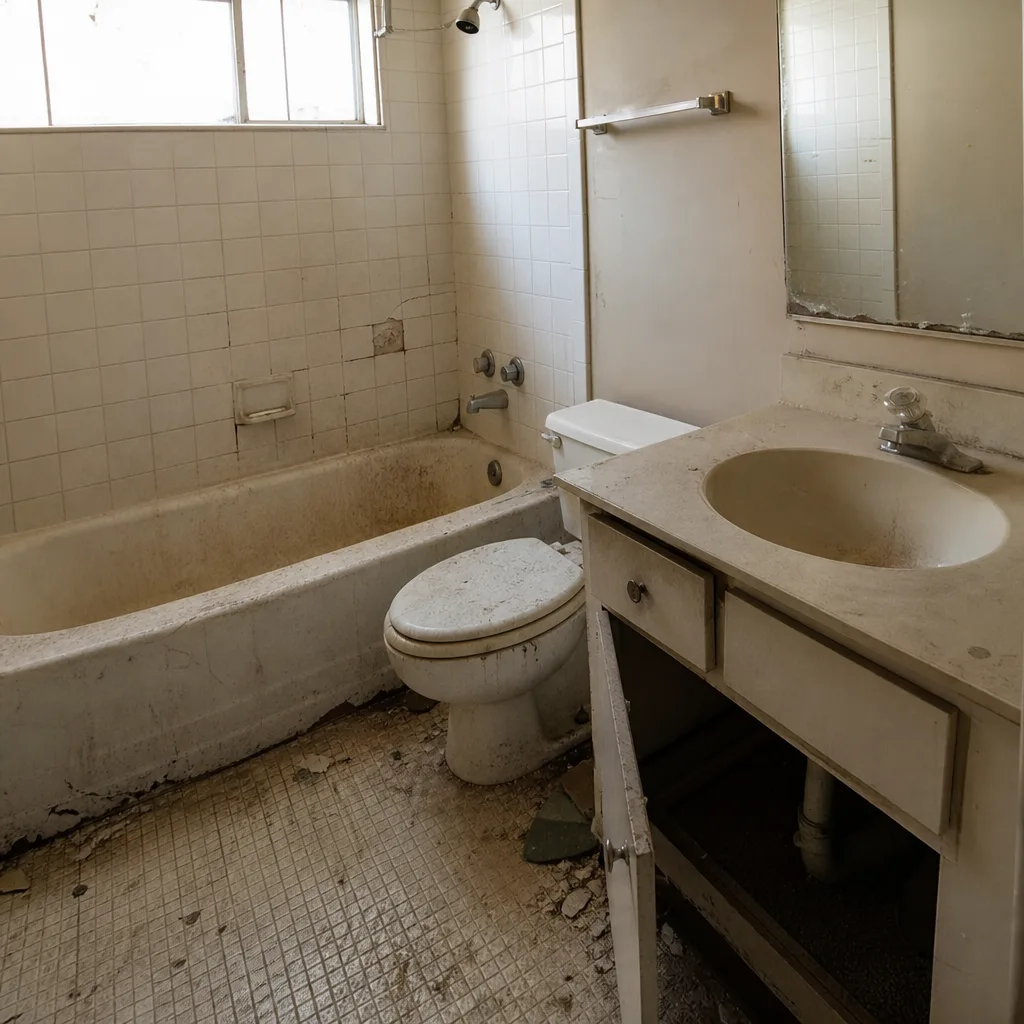 Before
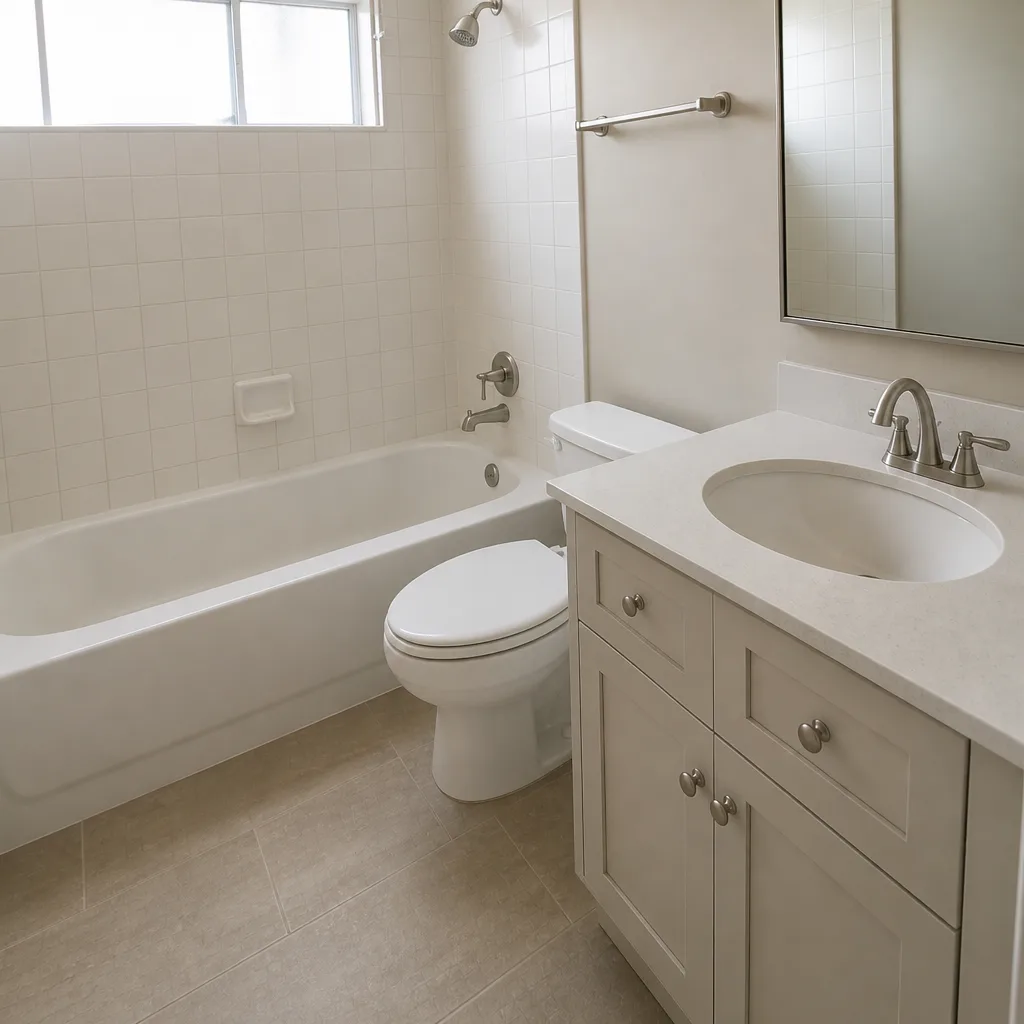 After
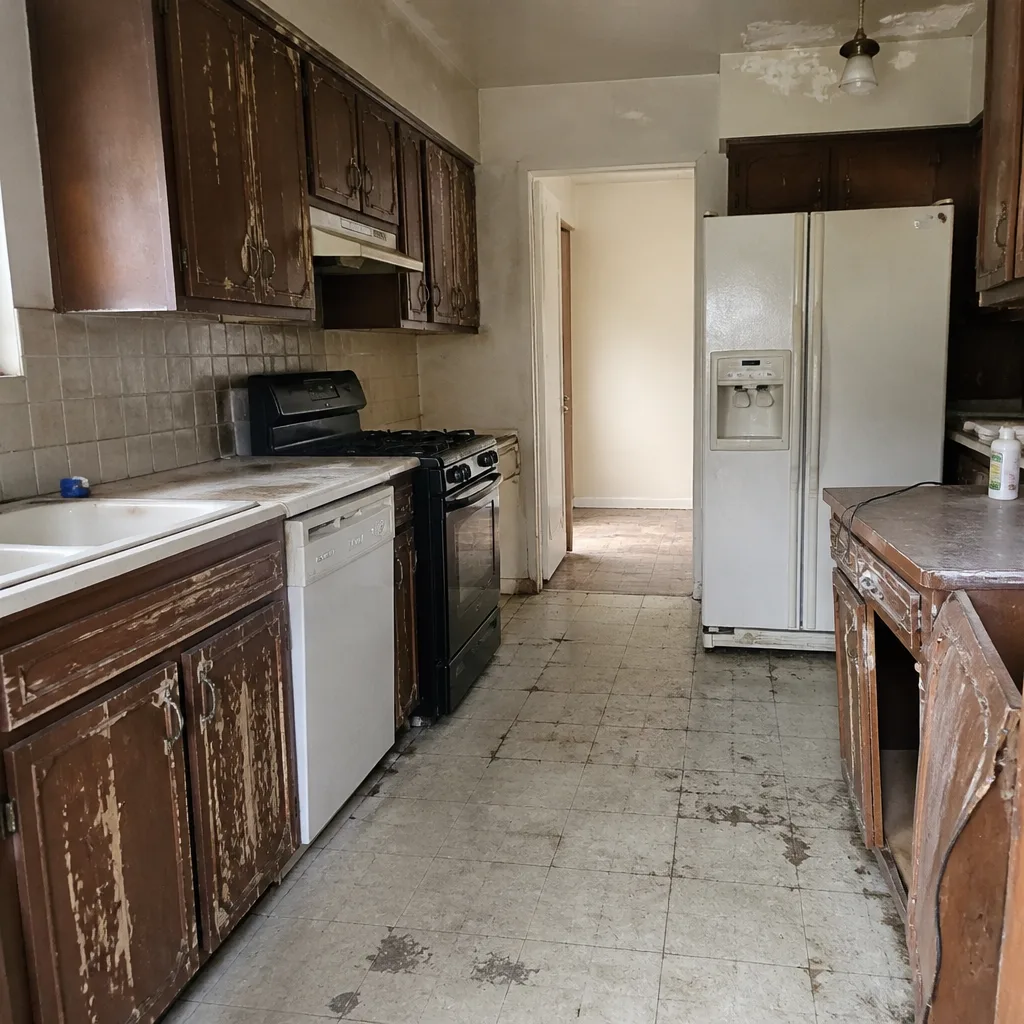 Before
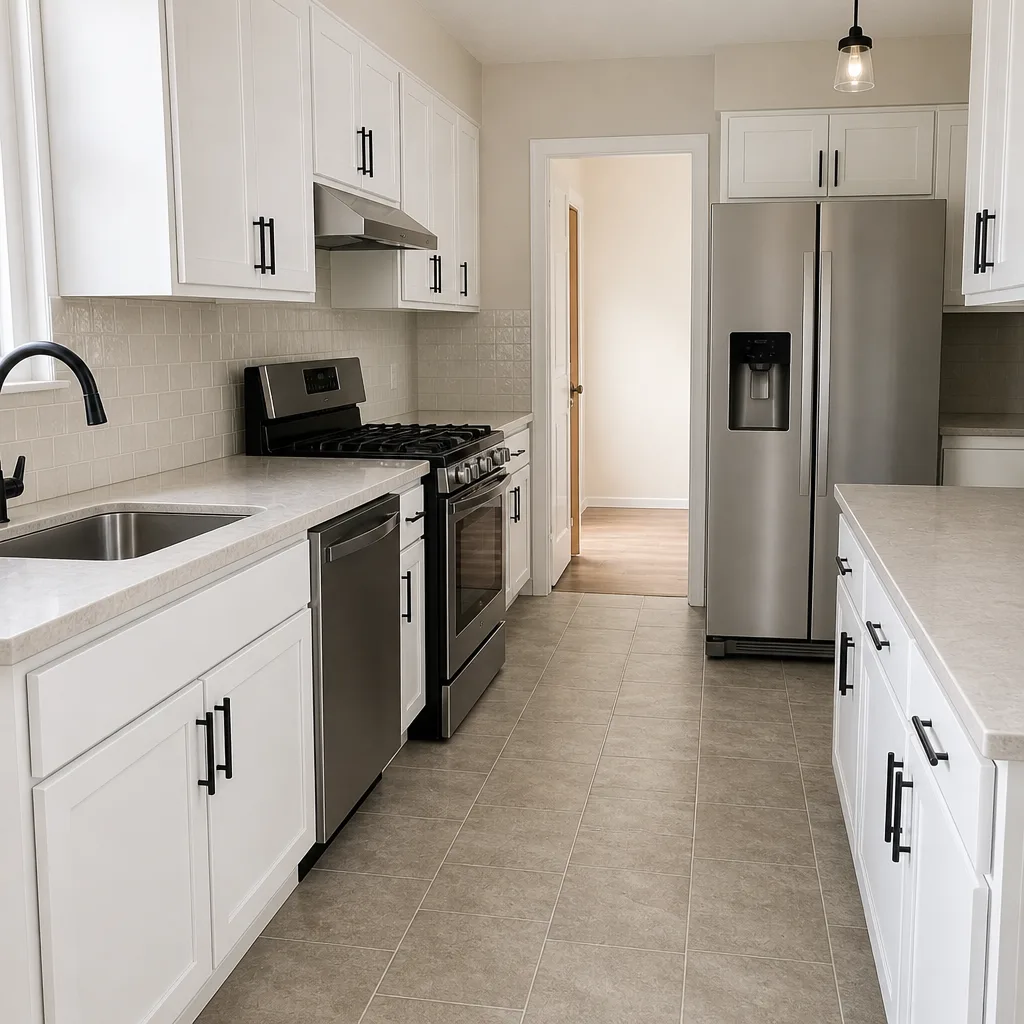 After
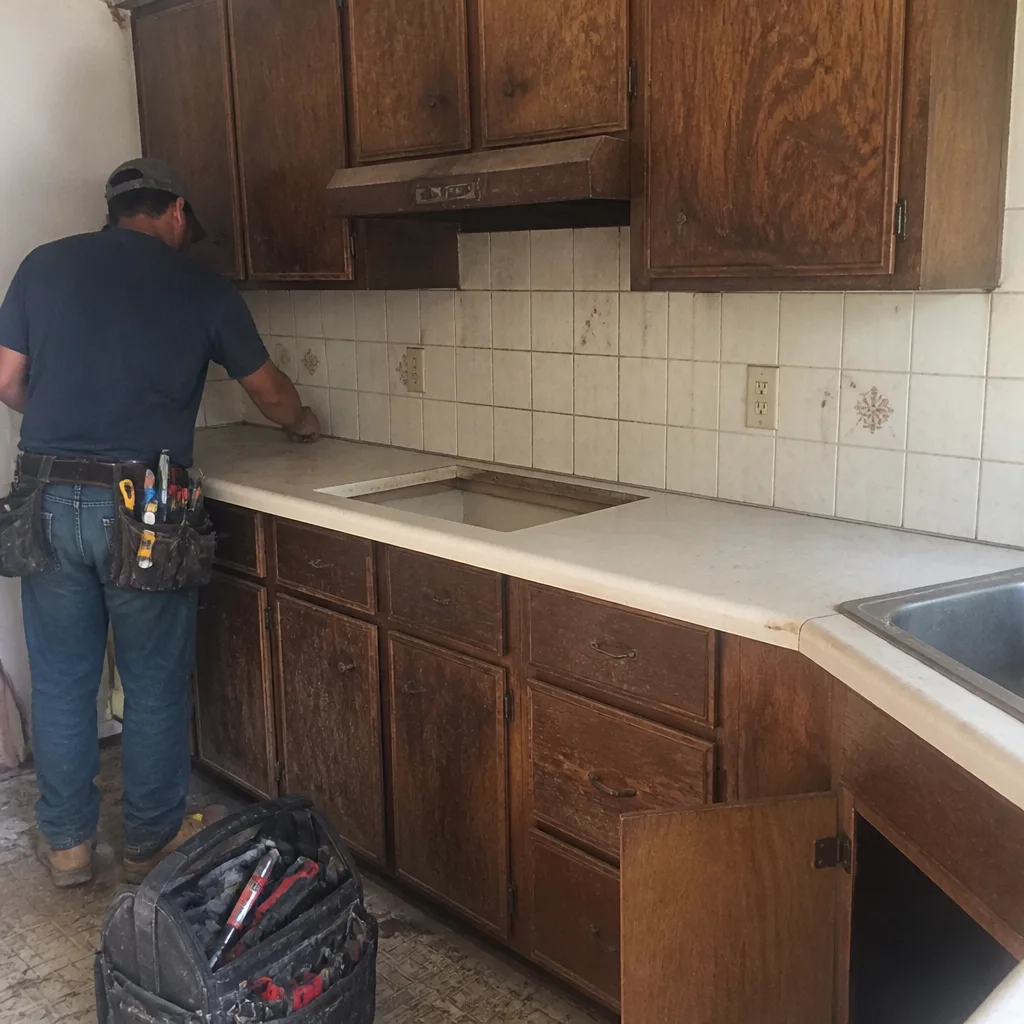 Before
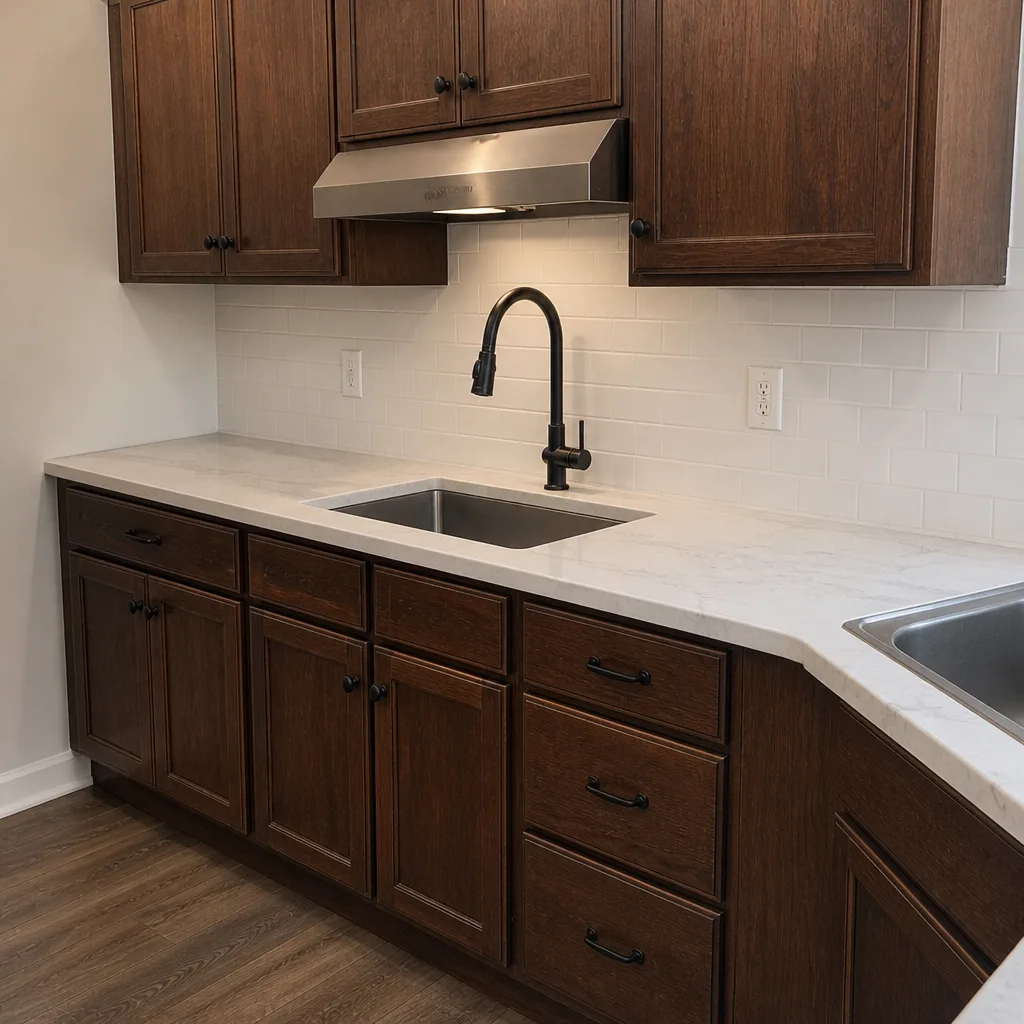 After
When to Call a Professional
Call a professional when the project crosses any of these lines: electrical panels or new circuits, gas line work of any kind, structural changes or load-bearing wall removal, waterproofing that involves a shower pan or wet room, foundations, roofing above 6/12 pitch, and any project large enough that an insurance claim could be in play. Also call when the project involves moving plumbing fixtures, when you’re changing a layout, or when your HOA requires licensed contractors for the work. If you’re unsure which side of the line you’re on, a phone call clears it up fast.
Penhallow Remodeling Irving offers free estimates in Irving – call (844) 320-5939 to schedule yours. We’ll walk your project, tell you honestly what’s worth doing yourself and what needs a pro, and if it needs a pro, put the price in writing before any work starts.
Frequently Asked Questions
Yes, on your primary residence, provided you pull the proper permit and pass inspection. Texas doesn’t require a state electrical license for homeowners working on the home they live in. That said, we strongly recommend hiring a licensed electrician for panel replacements, new circuits, and anything behind the drywall – the safety risk and insurance exposure are both serious, and an incorrectly wired panel can void your homeowner’s coverage.
Usually yes for cosmetic work, and usually no for unpermitted or unlicensed work on building systems that later causes damage. Most Texas homeowner policies include exclusions for “faulty workmanship” and “unpermitted work.” Before starting any DIY project on electrical, plumbing, or structure, call your agent and ask the question directly – and get the answer in writing if you can.
An owner-builder permit is pulled by the homeowner, in the homeowner’s name, and certifies that you’ll do the work yourself or directly supervise it. A contractor permit is pulled by a licensed professional who carries the liability for the work and its inspection. Owner-builder permits only apply to your primary residence – you cannot pull one for a rental property or a home you’re flipping.
HVAC replacement, gas line work, foundation repair, and any work on a non-primary residence (rental, flip, second home) require licensed contractors in Irving. Some electrical and plumbing work can be done by an owner-builder under permit – but the trade work itself should still go to a licensed professional for safety and insurance reasons, even when the law allows you to sign.
It can, in serious cases. Carriers can deny a claim tied to unpermitted or negligently performed work, and repeated issues can lead to non-renewal. The pattern we see most often in Irving is a small plumbing leak from a DIY shower install that causes water damage inside a wall – the repair is covered, but the “faulty workmanship” exclusion means the underlying shower work isn’t. That’s a $4,000 – $9,000 repair the homeowner pays out of pocket.
For paint, trim, tile, and landscaping, no permit is required and pulling one is unnecessary. For anything touching electrical, plumbing, or structure, yes – the permit protects you at resale and gives you the inspection paper trail your insurer may ask for. When in doubt, call Irving’s Building Inspections division and ask. It’s a two-minute conversation that can save you a five-figure headache.
The Bottom Line
Texas gives homeowners real permission to work on their own primary residence – more than most states. That permission is a responsibility, not a safety guarantee. Cosmetic work is genuinely worth DIY-ing, and you’ll save real money. The moment a project touches electrical panels, gas lines, structural framing, load-bearing walls, or waterproofing behind tile, the calculus changes. The savings are smaller than they look, the insurance risk is larger than it feels, and the consequences follow you at resale. When a project crosses that line, the smartest move is a free estimate. Penhallow Remodeling Irving will tell you plain what’s worth doing yourself and what needs a pro – call (844) 320-5939 to schedule yours.
Contact
Ready to get a written price on the projects that need a professional? Call (844) 320-5939 for a free estimate. We answer live, 24/7, and every project starts with a written price before any work begins. If you’re not sure whether your project is a DIY job or a professional one, that’s exactly the conversation to have first.
Written by the team at Penhallow Remodeling Irving.