Last updated November 17, 2026







Free written scope consultation - allowances, timeline, and change-order rules on paper before a single trade is scheduled
Home Remodeling Warning Signs Every Homeowner Should Know
The costliest remodeling warning sign isn’t a crack in the foundation. It’s the contractor who has given you a verbal estimate three conversations running, hasn’t once said the word “permit,” and has nothing to show you on paper. We’ve walked into homes in Irving where the tile looked perfectly fine and the real damage was in a handshake agreement. This guide covers both sides of the coin: the physical signals your house sends and the behavioral signals your contractor sends, plus what to do when you spot either one. No panic, no emergency call, just a clear plan.
Quick Answer
The warning signs that matter most fall into two groups: physical signals in the home (soft spots, recurring moisture, sticking doors, cracked grout that keeps coming back) and relationship signals from the contractor (verbal-only pricing, no written guarantee, vague start dates, no permit talk). Physical signs tell you a remodel is overdue or that a past job was done wrong. Contractor signs tell you to walk away before money changes hands. Both are catchable early if you know what to look for.
Styles & brands we work with
- Kitchen remodeling
- Bathroom remodeling
- Home additions & ADU
- Roofing
- Windows & doors
- Driveway & pavers
- Fence
Table of Contents
- Physical Warning Signs in the Home
- Overdue Remodel vs. Cosmetic Fix That Can Wait
- Contractor Red Flags Homeowners Routinely Miss
- Warning Signs After a Remodel Finishes
- Normal Settling vs. Actual Defect
- What to Do When You Spot a Warning Sign
Physical Warning Signs in the Home
Your house is talking to you. Most of what it says is quiet, but some of it means a remodel is moving from “someday” to “this year.” We’ve learned to sort these signals by what’s cosmetic and what’s structural, because the worst mistake is spending fifteen thousand dollars on a surface fix over a problem that comes from underneath.
Structural signals to take seriously:
- Soft or spongy flooring near tubs, sinks, and dishwashers. If a tile flexes underfoot, the substrate (the moisture-resistant layer behind your tile) is likely compromised. That’s not a tile problem, it’s a water problem.
- Doors and windows that stick only in certain seasons. One sticky door in July is humidity. Every door in the hallway sticking for six months straight is a sign of framing movement or moisture ingress.
- Cracked grout that returns within weeks of repair. Grout doesn’t crack twice in the same place unless something behind it is moving.
- Bubbling or peeling paint on interior walls and ceilings, especially below bathrooms. That’s water finding a path.
- A musty smell that doesn’t clear with ventilation. Smell is the most reliable early detector of hidden moisture we know of.
In Irving specifically, we see the spring pattern clearly: the wet season rains from March through May, then summer heat dries everything out fast. That expansion-and-contraction cycle is hard on tile, caulk lines, and any exterior penetration that wasn’t flashed correctly. A small leak that hides all winter announces itself in June, usually as a hairline crack across a shower floor.
If you’re weighing a broader whole-home approach against a single-room repair, our Penhallow Remodeling Irving home page walks through how we scope projects so the fix matches the cause. When the moisture is centered in a bathroom or kitchen, the scope usually narrows on its own.
Overdue Remodel vs. Cosmetic Fix That Can Wait
Not everything your house shows you needs a contractor. Some things need a weekend and a tube of caulk. The distinction matters because a cosmetic repair done too late becomes a structural repair done too soon. Here’s how we draw the line.
Signs a remodel is overdue, not just cosmetically tired:
- Water damage that has reached cabinetry, drywall, or subfloor (dark staining, soft wood, musty smell).
- Mold or mildew that returns within a month of cleaning in the same spot.
- Electrical outlets that trip a breaker when one appliance runs, especially in older kitchens.
- Plumbing that drains slowly in more than one fixture in the same room – a sign of clogged or corroded lines behind walls.
- Floors that slope or feel uneven when you walk barefoot across the room.
- Cabinet boxes that pull away from the wall or doors that no longer close flush.
Signs that are cosmetic and can wait:
- Faded paint, worn caulk lines in dry areas, scuffed baseboards.
- Outdated colors, dated hardware, tired grout that’s still solid.
- A single hairline crack in a wall where a door or window frame meets the drywall, if it hasn’t grown in a year.
- Cabinet faces that are simply not your taste anymore.
In Irving’s 75038 and 75039 zip codes, we regularly see 1990s-era kitchens that read as “overdue” to the homeowner but are actually solid underneath a dated face. A cabinet refinish or a countertop swap works. In older Las Colinas and Valley Ranch homes, deferred bathroom venting is the more common culprit – moisture has been going nowhere for years, and the fix is mechanical before it’s cosmetic.
If you’re planning a whole-home refresh, our general contractor in Irving page explains how we sequence a multi-room project so a single scope uncovers every hidden issue before we price.
Contractor Red Flags Homeowners Routinely Miss
This is where the real money goes. We’ve sat across more kitchen tables than we can count with homeowners who had a verbal estimate in hand and thought that was enough. The signs to watch for are subtle, but they’re remarkably consistent once you know them.
The seven contractor red flags we see most often:
- Verbal-only pricing after two or three conversations. A serious contractor gives you a written number before work starts. Not a range, not a ballpark: a written price you can hold them to. If a contractor refuses to put it in writing, the number will move. Guaranteed.
- No mention of permits after you’ve described the work. Kitchen and bathroom remodels need permits in Irving for most plumbing, electrical, and structural changes. A contractor who doesn’t bring it up is either planning to skip it or doesn’t know better – both disqualify.
- A vague or missing guarantee. “We stand behind our work” is not a guarantee. A real one is written, includes a duration, and states exactly what happens if something fails. Ours is the 365-Day Done Right Promise: if the work fails inside the year, we come back and fix it at no charge, and that promise is in writing on every project.
- A vague start date. “Sometime in the next month or two” is not scheduling. Ask for a defined arrival window and a start date. A contractor who can’t commit can’t be planned around.
- No written scope breakdown. Line items for demo, materials, labor, and permits should be visible. A single lump-sum figure with no breakdown hides cost shifting later.
- Deposit requests over 30% up front. Deposits are normal. Half the job before demo is not. That’s a contractor financing their other jobs with your project.
- No address, no license number, no insurance. Verify the business entity exists. Ask for proof of insurance and bonding. If either is missing, you’re the insurance.
The common thread: every one of these signs is about doing something in writing before the work starts. That’s the whole principle behind The Kingswell Way – “say the price before the work. Show up in the window we gave. Leave the place cleaner than we found it.” When you’re comparing bids, those three sentences are the entire due-diligence checklist.
Warning Signs After a Remodel Finishes
The first 90 days after a remodel are your best observation window. Most workmanship defects reveal themselves during this period, and catching them early lets the guarantee do its job instead of forcing you to argue about a problem a year later.
What to watch for, by category:
- Tile and grout: hairline cracks in grout lines, hollow-sounding tiles (tap the surface with a coin; hollow is wrong), or caulk pulling away at corners and tub-to-wall meets.
- Drywall and paint: corners of new drywall lifting, visible seams appearing under fresh paint, or paint bubbling in wet-wall areas.
- Cabinetry: doors that swing past their closed position after a month, drawers that start to stick, or cabinet boxes that pull slightly from the wall. This is often just adjustment – but only if the contractor actually comes back to do it.
- Plumbing: slow drains in new sinks (a sign of debris in the trap), loose supply lines, caulk separation at sink-to-counter seams.
- Doors and windows: sticking within weeks of install, drafts on close, or hardware that doesn’t latch cleanly. In our experience this is often a settling issue that needs one adjustment visit – which is exactly what a good guarantee covers.
In Irving, spring is when we get the most “something’s not right” calls after a fall remodel. The wet-season humidity change makes every caulk line and every drywall seam declare itself. That’s a useful test, not a warning sign by itself – what matters is whether the contractor shows up to make it right.
For bathroom-specific workmanship checks, our bathroom remodeling in Irving page breaks down the specific points we inspect at the 30-, 60-, and 365-day marks.
Normal Settling vs. Actual Defect
Here’s where panicked homeowners and unresponsive contractors meet in the middle, and both are usually wrong. Some movement after a remodel is expected and normal. Some movement means something failed. The trick is telling them apart without a professional on the phone and a service call bill in the mail.
Settling (expected, monitor but don’t panic):
- Hairline cracks in fresh drywall at inside corners within the first 60-90 days.
- Small grout cracks at floor-to-wall transitions as the substrate reaches equilibrium in its first heating-and-cooling cycle.
- Doors that weren’t hung in a new frame feeling slightly tight in July and loose in January.
- Minor caulk shrinkage at sinks and tubs, especially in the first year.
- Wood cabinets or trim that expand slightly in summer humidity and contract in winter.
Defect (call the contractor; the guarantee should apply):
- Any crack that widens over 4-6 weeks instead of stabilizing.
- Hollow-sounding tile, or tile that flexes underfoot.
- Water pooling where it shouldn’t, or staining that appears after a shower.
- Doors or cabinets that don’t close at all after two adjustment cycles.
- Any leak from a plumbing connection made during the remodel.
- Electrical outlets that trip breakers or feel warm to the touch (call an electrician, not just the contractor).
If you’re not sure which category you’re in, that’s a legitimate question for the contractor. The right answer from them is “we’ll come look.” A written guarantee, like our 365-Day Done Right Promise, means that visit and any correction inside that window is at no charge to you. No service call fee, no re-inspection charge, no arguing about whose fault it was. That’s the standard the guarantee is supposed to set.
What to Do When You Spot a Warning Sign
Panic is not a strategy, and neither is ignoring it. Here’s the step-by-step response we recommend, whether you spotted a physical sign or a contractor red flag.
- Document it. Take a dated photo (your phone’s photo app stamps the date automatically). Note where in the room, when you first saw it, and whether it’s growing. If it’s a contractor flag (verbal pricing, no permit), write down the date of the conversation and what was said.
- Check it against the settling-vs-defect list above. Cracks that stabilize over a month are usually normal. Cracks that widen, hollow tiles, and any water appear are defects.
- If it’s post-remodel and within 90 days, contact the contractor first. That’s exactly what a written guarantee is for. Send the photos and your notes in writing, not just over a call, so there’s a record.
- If the contractor is unresponsive within a week, escalate in writing. A short, factual email stating what’s wrong, what you’ve documented, and what you’re asking for is enough. Keep emotion out of it. Facts and photos.
- For a contractor quote you’re evaluating, get a second written bid before signing anything. Not to compare prices in isolation, but to compare what each bidder puts in writing. The bidder with the line-item scope, permit line, and written guarantee is usually the right answer even if they aren’t the cheapest.
- For structural signs, slow the schedule down. A remodel isn’t an emergency, and a contractor who treats it as one (“we can start tomorrow, don’t worry about permits”) is the warning sign in human form. Take the extra week to verify.
- For safety-relevant signs, do not DIY. If you’re seeing a wet patch near an electrical panel, a gas smell, or a spongy floor under a tub, get a licensed trade in to inspect. That’s not a handyman job and it’s not a “we’ll figure it out on the weekend” job. We’ll always recommend calling the licensed professional directly.
None of this requires a service call, an emergency crew, or a signed contract. Most of these steps cost nothing but time and attention.
Common Mistakes to Avoid
- Treating verbal estimates as commitments. They’re conversation, not contract. A verbal number is legally worth nothing the moment it changes on demo day. Always get the price in writing before work starts.
- Comparing bids on price alone. In Irving, we’ve watched homeowners choose a bid $4,000 lower and pay $9,000 more in change orders because the scope wasn’t line-itemed. Compare the written scope, not the bottom line.
- Not asking about permits until after signing. Permit requirements in Irving for kitchens and baths are not optional. Ask up front, in writing, who’s pulling the permit and who’s responsible for inspection sign-off.
- Confusing “we stand behind our work” for a guarantee. It isn’t. A written guarantee has a duration, a scope, and a defined remedy. Ask to see it before the contract is signed, not after.
- Paying more than 30% up front. A fair deposit is fine. Half the job before demo is a red flag, not a discount.
- Missing the 30- and 90-day walkthrough. In Irving’s climate, the first wet spring after a fall remodel is when the minor issues show up. If you have a guarantee, use the check-in window and get anything cosmetic handled while it’s still under coverage.
- Ignoring a repeat crack or a returning smell. If a problem keeps coming back after repair, the repair is treating a symptom. Review the underlying cause before paying for the same fix a second time.
See the difference
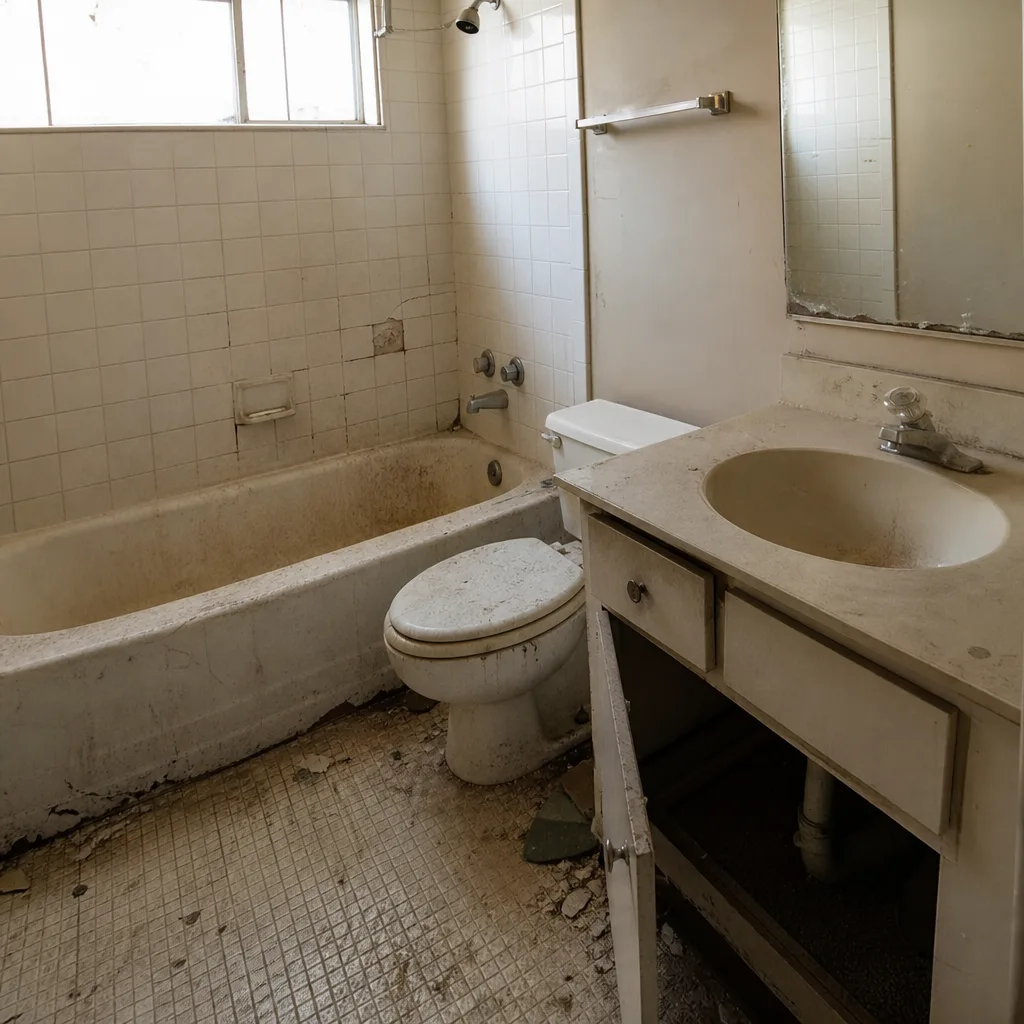 Before
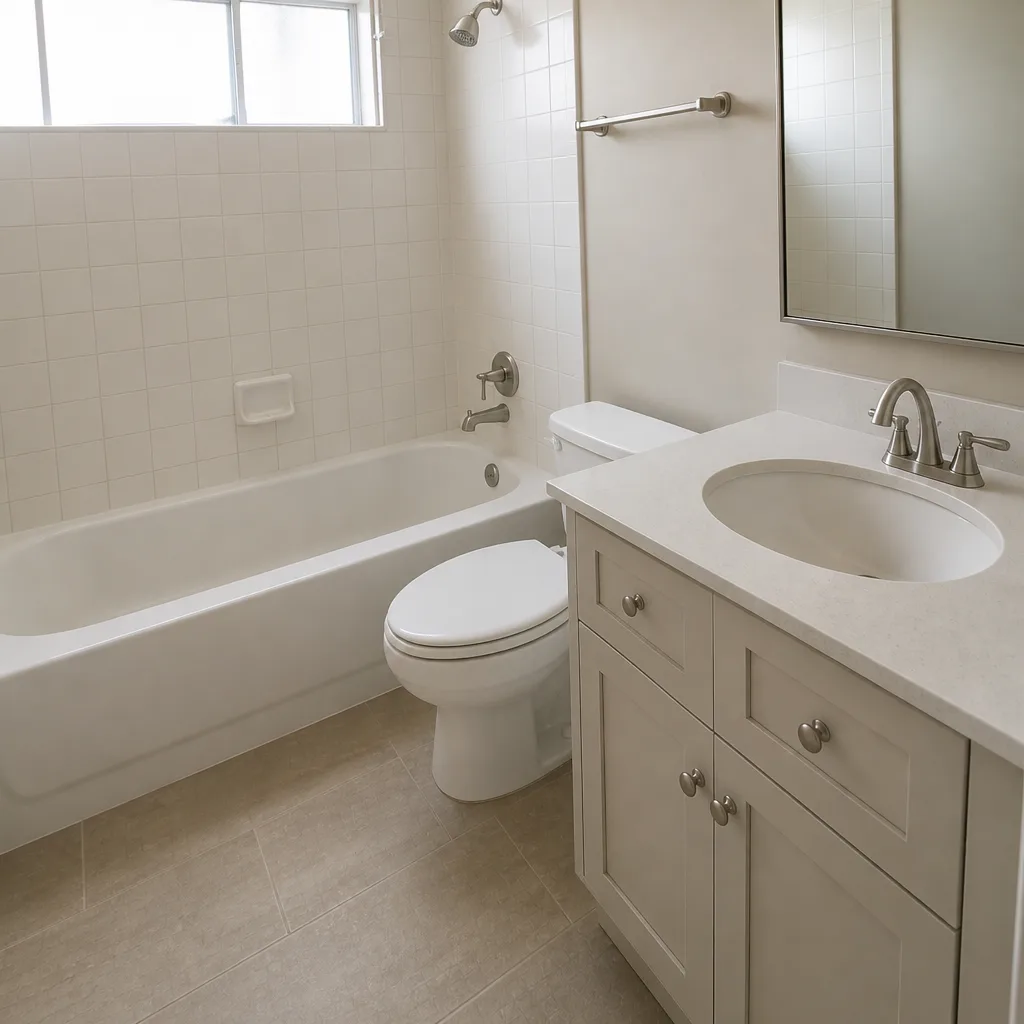 After
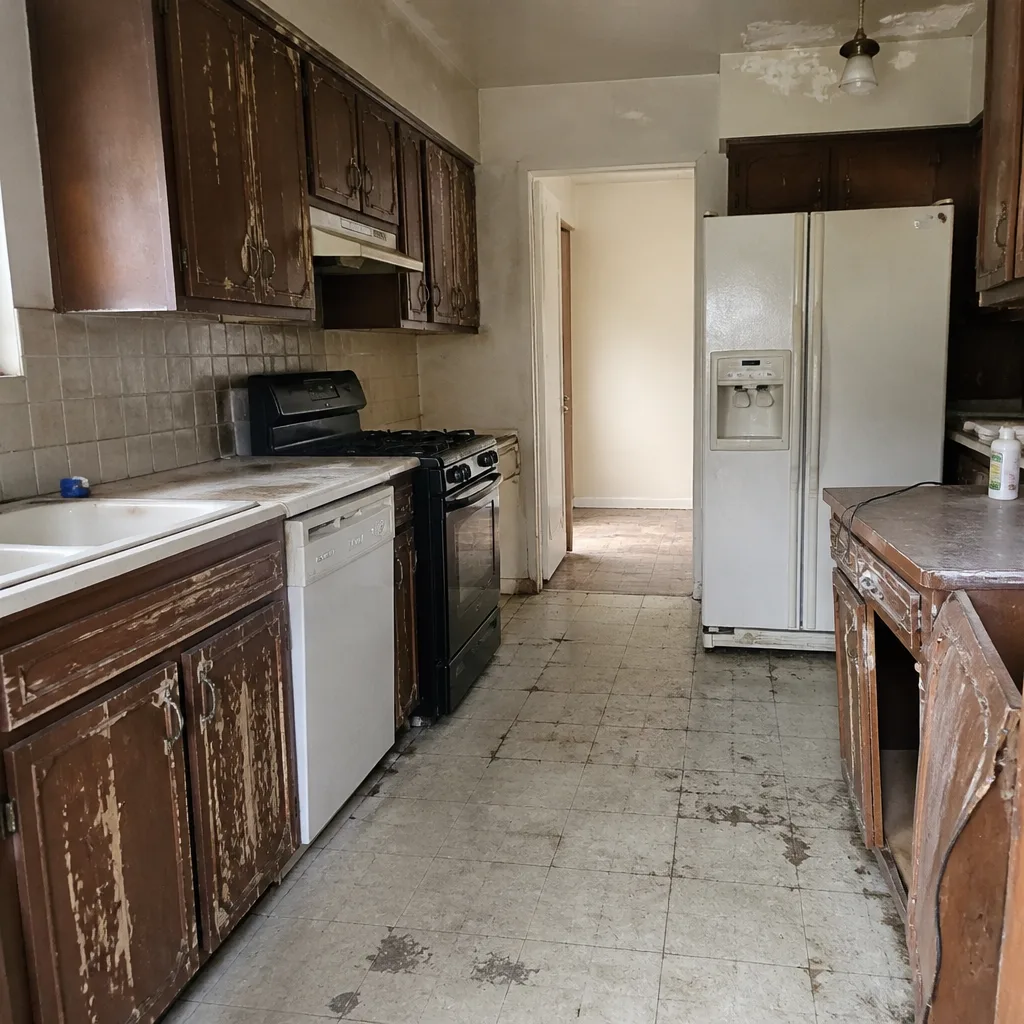 Before
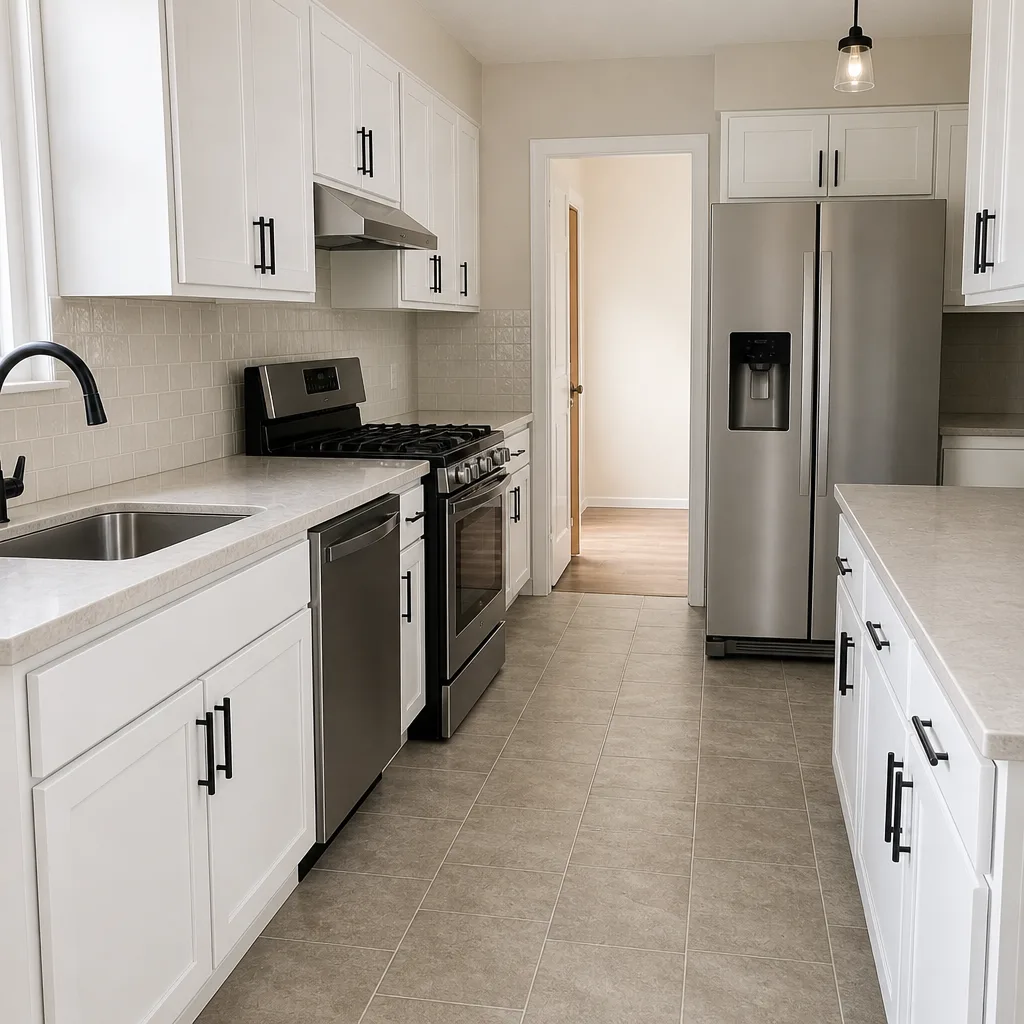 After
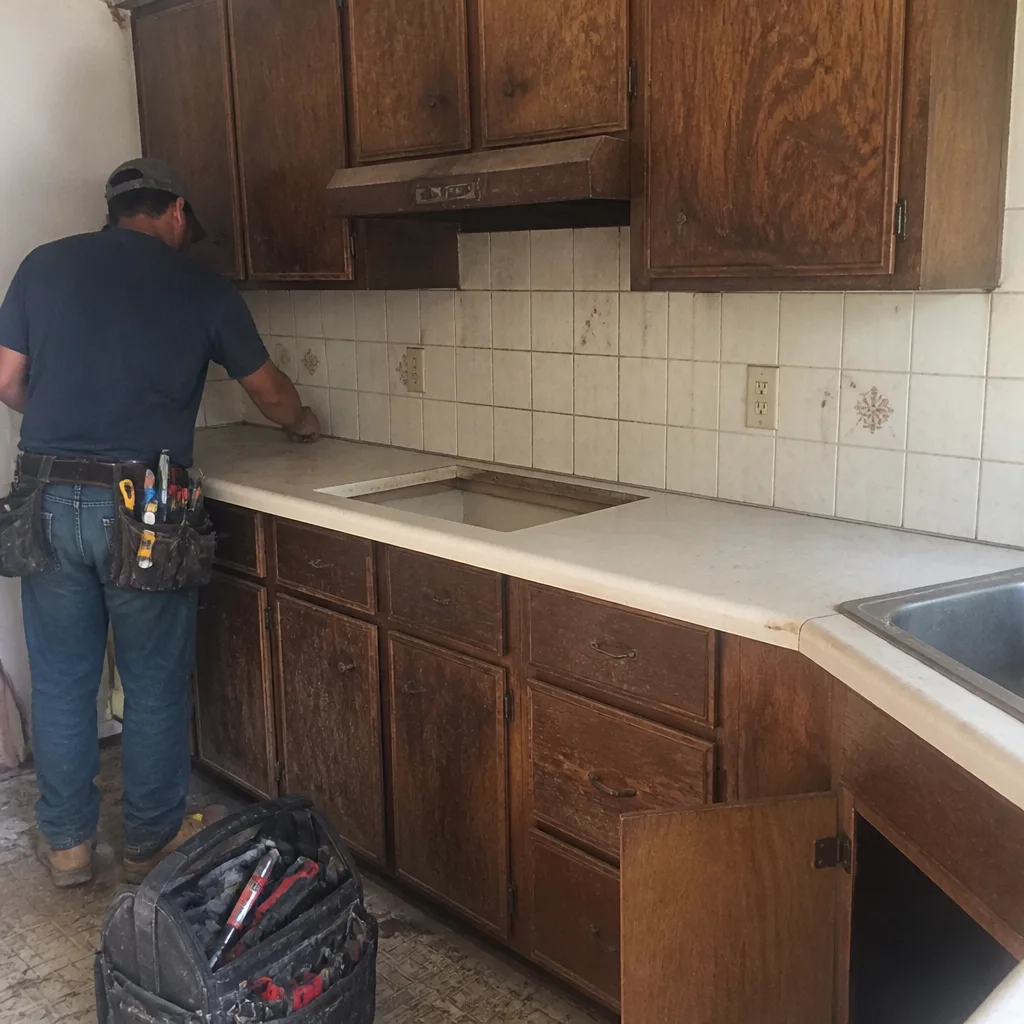 Before
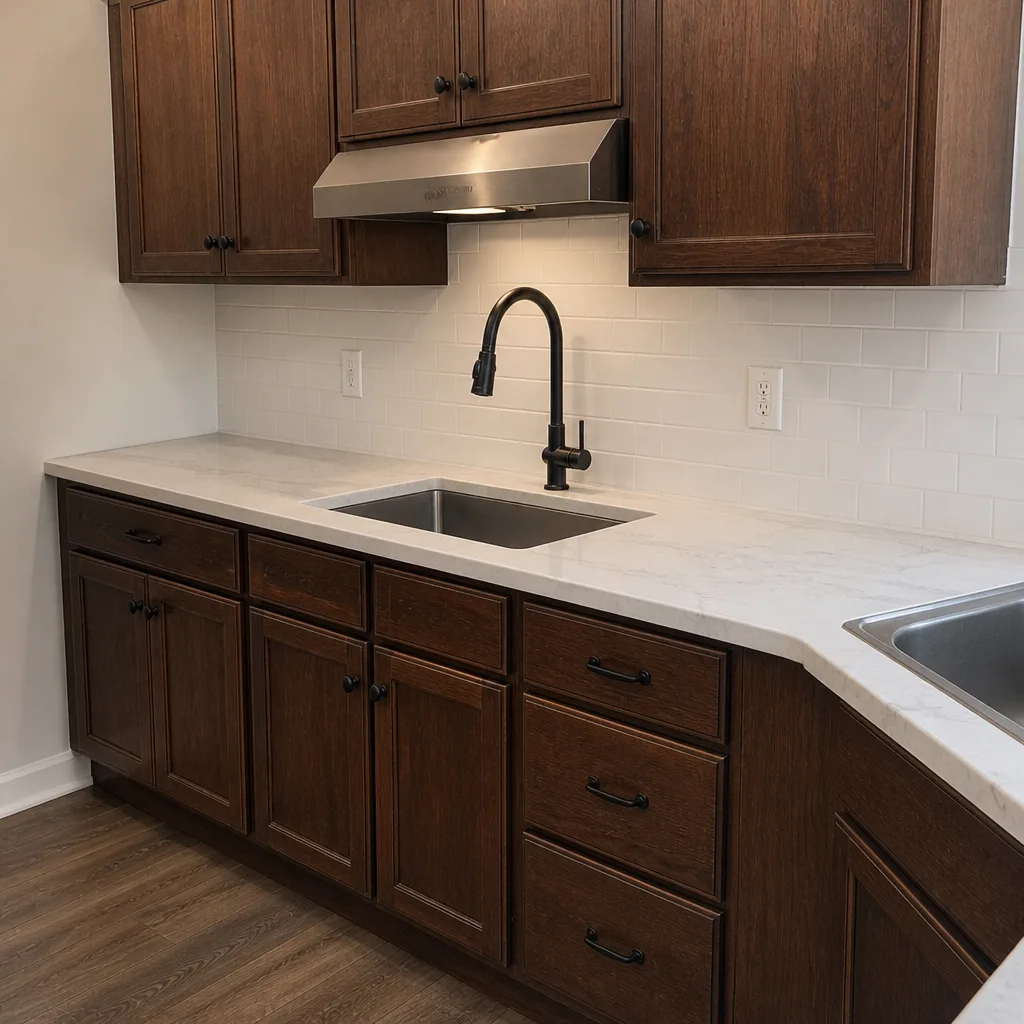 After
When to Call a Professional
Call a professional when you spot any of these: a soft or spongy floor under a tub or sink, mold that returns within a month of cleaning, a crack that’s widening over weeks, a post-remodel leak from a plumbing connection made during the job, a contractor who’s given verbal pricing twice and hasn’t mentioned permits, or a written guarantee you haven’t seen. Call sooner if a post-remodel issue is inside the first 90 days – your guarantee should handle it, and the sooner it’s documented, the cleaner the fix. For a broader scope question, our kitchen remodeling in Irving page walks through the specific checks we do at intake and what belongs in a written scope. Penhallow Remodeling Irving offers free estimates in Irving – call (844) 320-5939 to schedule one, and we’ll bring a written number and a written guarantee to the first visit.
Frequently Asked Questions

Kitchen remodels in Irving typically run $18,000-$55,000 depending on layout, cabinet line, and countertop material. A pull-and-replace with KraftMaid or Wellborn cabinetry, quartz counters from Cambria or Silestone, and Kohler fixtures lands at the lower end; full layout changes with new plumbing, electrical, and flooring land at the higher end. The number that matters is the written one – call (844) 320-5939 for a free estimate and a written price before any work starts.
Hairline cracks at inside corners in the first 60-90 days are typically normal settling. Cracks that widen over 4-6 weeks, hollow-sounding tile, or any crack paired with water staining is a defect and should trigger your written guarantee. If you’re unsure, document with dated photos and ask the contractor to come look – a real guarantee covers that visit at no charge.
Verbal-only pricing after two or more conversations. A contractor who won’t put the number in writing before work starts will almost certainly let that number move once demo begins. The second-biggest flag is no mention of permits after you’ve described the work – in Irving, kitchens and baths usually require permits for plumbing, electrical, and structural changes, and a contractor who skips that conversation is a real risk.
Yes – permits are pulled and inspections are passed on every project that requires them. Irving has specific requirements for kitchens, bathrooms, and structural changes, and we handle the permit process as part of the written scope so it’s never a surprise line item later. Call (844) 320-5939 to talk through permit requirements for your specific project.
No. The number on day one is the number on the invoice. We put the price in writing before any work starts, and we don’t hand you a new number after demo day. If we uncover something unexpected during demo, we stop, put it in writing, and get your approval before proceeding – but the original written scope doesn’t get quietly re-priced. That’s the standard the 365-Day Done Right Promise is built on.
Document it with dated photos and contact the contractor in writing (email is best) within the first week of spotting it. Don’t wait – the 90-day window is exactly when most workmanship issues appear, and the sooner you document, the cleaner the fix. A written guarantee should mean the correction visit costs you nothing. Call (844) 320-5939 if your current contractor isn’t responding and you need a second opinion on what you’re seeing.
The Bottom Line
The warning signs that cost homeowners the most money are the ones embedded in the contractor relationship, not the wall. A verbal estimate, no permit talk, no written guarantee, and a vague start date will cost you more than any hairline crack ever will. Physical signs matter – soft floors, returning mold, widening cracks – but they’re catchable when you know what to look for and easier to resolve when a written guarantee is behind them. Get the price in writing. Get the guarantee in writing. Watch the first 90 days. And if something doesn’t add up, call (844) 320-5939 for a free estimate – we’ll bring a written number and a written guarantee to the first visit, no pressure.
Written by the team at Penhallow Remodeling Irving.