Last updated November 17, 2026








Free written scope consultation - allowances, timeline, and change-order rules on paper before a single trade is scheduled
Construction Emergency Preparedness Guide for Irving Homes
After the February 2021 freeze, Irving contractors noticed a pattern. Homeowners who had a simple folder with their home’s permit history, photos of pipe locations, and a contractor’s written guarantee got repairs started an average of four days faster than those who had nothing. Four days. That’s the difference between drywall repair and mold remediation, between a manageable claim and a nightmare one. This guide covers both kinds of emergencies Irving homes face: the sudden ones and the slow failures that turn urgent because no one kept records. You’ll learn what documents to keep, what to do first when something breaks, and what to ask before you hire anyone.
Quick Answer
Construction emergency preparedness for Irving homeowners means keeping a documented file of your home’s condition, permits, and contractor contacts; knowing the response priority order for the five most common emergencies; and asking specific questions in the first phone call. The homes that recover fastest aren’t the ones that never have problems. They’re the ones whose owners can hand an adjuster a folder and a contractor a clear description of what happened.
Styles & brands we work with
- Kitchen remodeling
- Bathroom remodeling
- Home additions & ADU
- Roofing
- Windows & doors
- Driveway & pavers
- Fence
Table of Contents
- The Home Construction File Every Irving Homeowner Should Keep
- Emergency Response Priority Order for Common Irving Emergencies
- How to Document Damage for Insurance Before Repairs Begin
- What to Ask a Contractor in the First Emergency Call
- Irving-Specific Resources: Permits, Inspections, and Utilities
- The Slow Failures That Become Emergencies
- Common Mistakes to Avoid
- When to Call a Professional
The Home Construction File Every Irving Homeowner Should Keep
The single most useful thing you can do before an emergency is build a folder. Not a digital one buried in your phone, though a backup copy there helps. A physical folder you can grab and hand to an insurance adjuster or a contractor standing in your kitchen. Irving homes built in the 1970s and 1980s in neighborhoods like Las Colinas and Valley Ranch often have had three or four owners, each adding a deck, replacing a water heater, or finishing a garage. Without a paper trail, none of that history is visible to the person trying to figure out why your foundation is shifting.
Here’s what goes in the file:
- Permit history. Every permit pulled on the house, with inspection dates and final sign-offs. You can request this from the City of Irving’s building department if you don’t have copies.
- Photos of pipe locations. Behind the walls in the kitchen and bathrooms. Before you ever drywall over a repair, take a photo with a tape measure visible. Label the wall.
- The main water shutoff location. Photograph it. Write down the exact location in the file. In a pipe failure, seconds count.
- Your contractor’s written guarantee. The guarantee from any work done in the last five years, with the contractor’s phone number and the scope of work spelled out.
- A one-page home summary. Year built, square footage, foundation type, roof age, HVAC age, and the name of every contractor who has worked on the house.
- Insurance policy declarations page. Not the full policy, just the page showing your coverage and your adjuster’s direct line.
Keep the physical folder somewhere you can reach in the dark. Not the attic. Not the garage. A kitchen drawer or a bedroom closet. The format matters less than the habit of keeping it current.
Why the folder saves days, not hours
When a contractor or adjuster starts asking questions you can’t answer, the conversation stalls. They can’t scope a repair without knowing the home’s history. They can’t file a claim without documentation. The homeowner with the folder answers in thirty seconds. The homeowner without it spends three days chasing records from the city and the previous owner. That’s the four-day gap the Irving contractors observed after the freeze.
Emergency Response Priority Order for Common Irving Emergencies
When something breaks, the order you do things in matters more than the speed. Here’s the priority sequence for the five most common construction emergencies we see in Irving, ranked by what to do first and what to leave for the contractor.
1. Pipe failure
- Shut off the water. Main shutoff if you can reach it, the fixture valve if the break is local.
- Cut power to any wet area. If water is near outlets or a panel, turn off that breaker from a dry location.
- Photograph everything before you move it. Wet drywall, buckled flooring, standing water. Then start extracting water.
- Call a plumber, then your insurance. Not the reverse. You need the leak stopped before the adjuster can assess.
- Leave the wall cavity alone until the plumber and adjuster have seen it. Cutting into wet drywall to “see how bad it is” can destroy evidence the adjuster needs.
2. Roof breach
- Get water away from the ceiling. Buckets, towels, move furniture.
- Do not climb on the roof. Wet shingles and ladders are how homeowners end up in the ER during a storm. This is a job for a trained roofer.
- Photograph the interior damage and any visible exterior damage from the ground.
- Tarp only if you can do it safely from the ground or a window. Otherwise wait for the roofer.
- Call your roofer and insurance. Most Irving policies require you to mitigate further damage but not to perform repairs yourself.
3. Foundation crack
Foundation cracks in North Texas clay soil are common, and most are cosmetic. A crack wider than a quarter inch, one that’s actively widening, or one accompanied by sticking doors and windows warrants a call. Do not try to fill it yourself with hydraulic cement before a structural engineer sees it. Document the crack with a photo and a coin for scale, note the date, and call a foundation specialist.
4. Storm damage
Hail and wind are the Irving reality. After a storm, photograph everything from the ground before you touch anything. Save a few hailstones in the freezer if you can, they help adjusters verify size. Do not sign anything a door-knocking “storm chaser” hands you the same day.
5. Structural fire damage
Fire is a different category. Get out first, call 911, and do not re-enter until the fire department clears the structure. Board-up and securing the property is the contractor’s job, not yours. Call your insurance immediately, and do not sign a restoration contract before the adjuster has seen the damage.
How to Document Damage for Insurance Before Repairs Begin
The photo and measurement approach construction professionals use is simple, and it’s the same one that gets claims approved without argument. Here’s the sequence:
- Wide shot first. Stand back and photograph the whole room or area. The wide shot establishes context.
- Mid-range shot. Move closer. Show the damage in relation to the surrounding structure.
- Close-up with a scale reference. Place a tape measure, a coin, or a ruler next to the damage. Without a scale, a photo of a crack could be a hairline or a canyon.
- Measure and write down dimensions. Length and width of water staining, depth and length of cracks, square footage of affected flooring. Write it down in the file, dated.
- Photograph the cause if you can see it. The burst fitting, the hail dent, the tree limb. Cause photos speed up claims.
- Do not clean up before photographing. This is the mistake that costs homeowners the most. Wet drywall gets torn out and thrown away before anyone photographed it, and the adjuster can’t verify what was there.
- Keep a running log. Date, time, what you did, who you called. A simple notebook page is enough. Insurance adjusters rely on this more than homeowners realize.
Take photos with your phone and email them to yourself. That timestamps them and gets them off the device in case it’s damaged. In Irving, storm claims in particular move faster when the homeowner hands over a clean photo set on day one.
What to Ask a Contractor in the First Emergency Call
Emergencies are when homeowners get taken advantage of. The pressure is real, and the contractor on the other end of the phone knows it. Here’s what to ask in the first call, in order, so you’re not guessing under pressure:
- “Can you give me a written price before any work starts?” This is the single most important question. A contractor who needs to see the damage first can still commit to a written number before demo. Any contractor who won’t put a price in writing before picking up a tool is telling you something.
- “What does your guarantee cover, and for how long?” The guarantee should be in writing and should specify what happens if the repair fails. Ours is the 365-Day Done Right Promise, included on every project.
- “Are you licensed and insured, and can you send me the certificate?” Any legitimate contractor can do this.
- “Who will actually be at my house, and are they background-checked?” You have a right to know who’s walking into your home during a stressful moment.
- “What’s the arrival window?” Not “sometime this afternoon.” A defined window.
- “Will you pull the permit, and will the work be inspected?” For structural or major repairs, the answer has to be yes.
- “What’s the change order process if you find more damage?” A written change order, signed by you, before the price changes. No exceptions.
When you’re ready to talk through a repair or a remodel in Irving, Penhallow Remodeling Irving answers the phone 24/7 with a live person and gives a written price before any work starts. Call (844) 320-5939.
Irving-Specific Resources: Permits, Inspections, and Utilities
Knowing who to call in Irving prevents the second emergency, which is usually the bureaucratic one. Here’s what’s relevant during a construction emergency:
Emergency permits
The City of Irving’s building department handles permits for structural repairs, roof replacements, electrical work, and plumbing. For emergency repairs, Irving allows the work to begin before the permit is pulled in limited cases, but you need to call the building department the next business day to file. Ask specifically about the “emergency repair” provision when you call. Your contractor should know the process and pull the permit for you.
After-hours inspections
Irving offers after-hours inspections for certain categories of work. When you need one, your contractor schedules it through the city’s inspection line. If a contractor tells you after-hours inspections aren’t possible in Irving, that’s a signal they don’t do this work regularly. They are possible, with the right scheduling.
Utility contacts
- Water: City of Irving Water Utilities for main line issues and shutoff at the meter.
- Gas: Atmos Energy for gas leaks and meter issues. If you smell gas, leave the house and call from outside.
- Electric: Oncor for downed lines and outages. Never touch a downed line.
Save these numbers in your phone now, before you need them. The day of the emergency is not the day to be searching the city website.
The Slow Failures That Become Emergencies
Most of the “emergencies” we see in Irving aren’t storms. They’re slow failures. A pinhole leak behind a bathroom wall that’s been dripping for months. A foundation crack that started small and widened through two summers of clay soil expansion and contraction. A roof flashing detail that was installed wrong five years ago and has been quietly rotting the decking ever since. These don’t feel urgent until they are.
The reason the file matters so much here is that slow failures leave a record if you’re paying attention. A water stain on the ceiling that reappears after a rain. A door that sticks in July and frees up in January. A crack you measured last year and can measure again now. Photograph and date these. The homeowner who can show a contractor “this stain was six inches across in March and it’s a foot across now” gets a faster, more accurate diagnosis than the homeowner who says “it’s been leaking for a while.”
When slow failures turn into real problems, that’s when the trade work starts. A bathroom that’s been leaking behind the tile for a year often needs a full bathroom remodeling in Irving rather than a spot repair, because the substrate is gone. A kitchen with a slow supply line leak under the sink can mean cabinet replacement. If you’re at that point, we’re happy to talk through it. Call (844) 320-5939 for a free estimate.
Common Mistakes to Avoid
- Cleaning up before photographing. This is the mistake that costs homeowners the most on claims. Wet drywall, damaged flooring, and soaked insulation all get thrown away in a panic, and the adjuster can’t verify what was there. Photograph first, clean second.
- Hiring the first contractor who shows up uninvited. After a hail storm in Irving, trucks with out-of-state plates appear within hours. Ask for a local address, a written price, and a written guarantee before you sign anything.
- Letting a contractor start work without a written price. Verbal estimates change at the door. A written price before any work starts is a basic standard, and if it isn’t offered, ask for it.
- Skipping the permit because it’s “just a repair.” Unpermitted structural work can void your insurance and complicate a future sale. Irving homes with unpermitted repairs are a real problem at resale.
- Assuming a small crack is cosmetic. Some are. Some are structural. Measure and date the crack rather than guessing. If it’s widening, call a specialist.
- Not knowing where the water shutoff is. In a pipe failure, every minute of running water is more damage. Find it now, photograph it, write down the location.
- Signing a restoration contract the same day as the damage. Adjusters need to see the damage before repairs. Give yourself a day to make a decision with a clear head.
When to Call a Professional
Call a professional when water is running, when a crack is widening, when the roof is breached, or when the repair involves anything structural. Call immediately if the damage is near electrical panels or gas lines. Do not attempt a repair yourself if it involves high-voltage wiring, gas, or roof work at height. These are the cases where an amateur repair creates a second, larger emergency. For planned work, when a slow failure has reached the point of a real remodel, that’s the moment to get a written estimate. Penhallow Remodeling Irving offers general contractor services in Irving with a free estimate and a written price before any work starts. Call (844) 320-5939 to schedule yours.
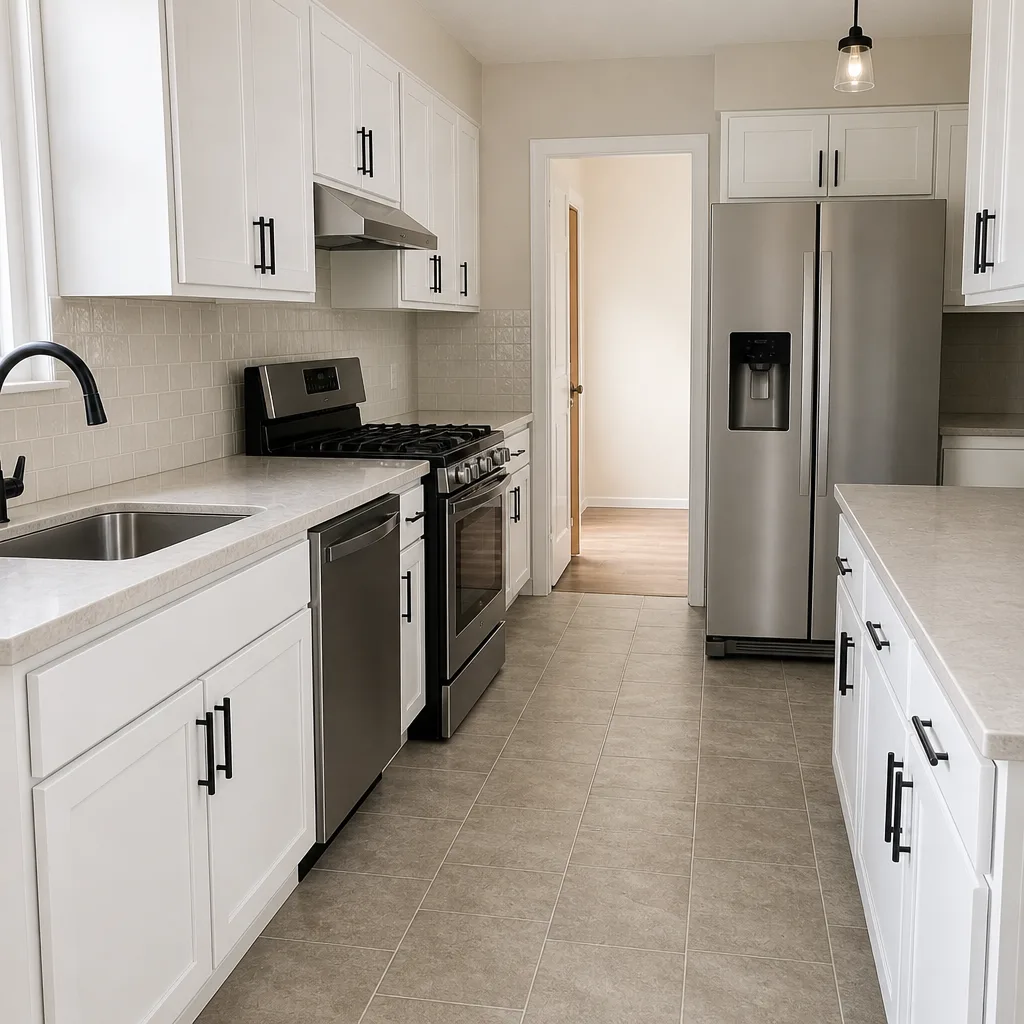
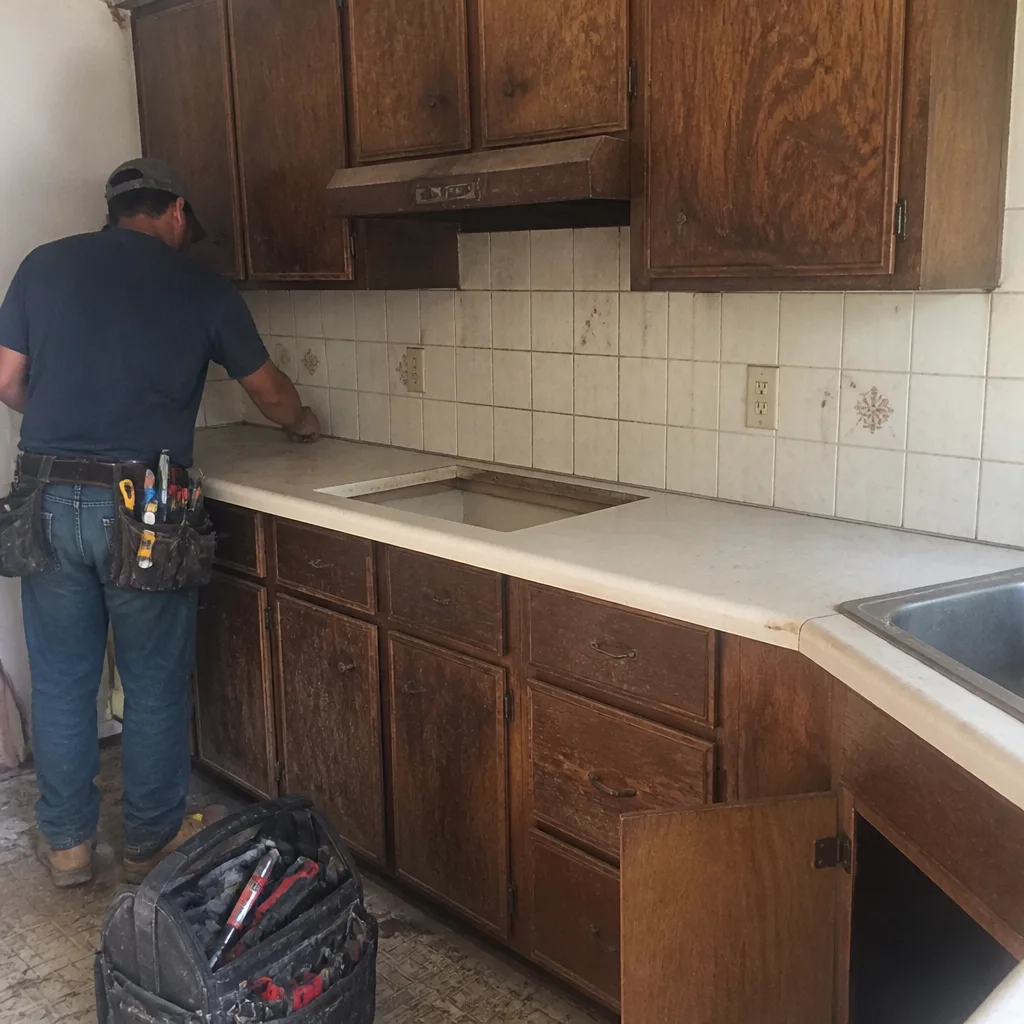
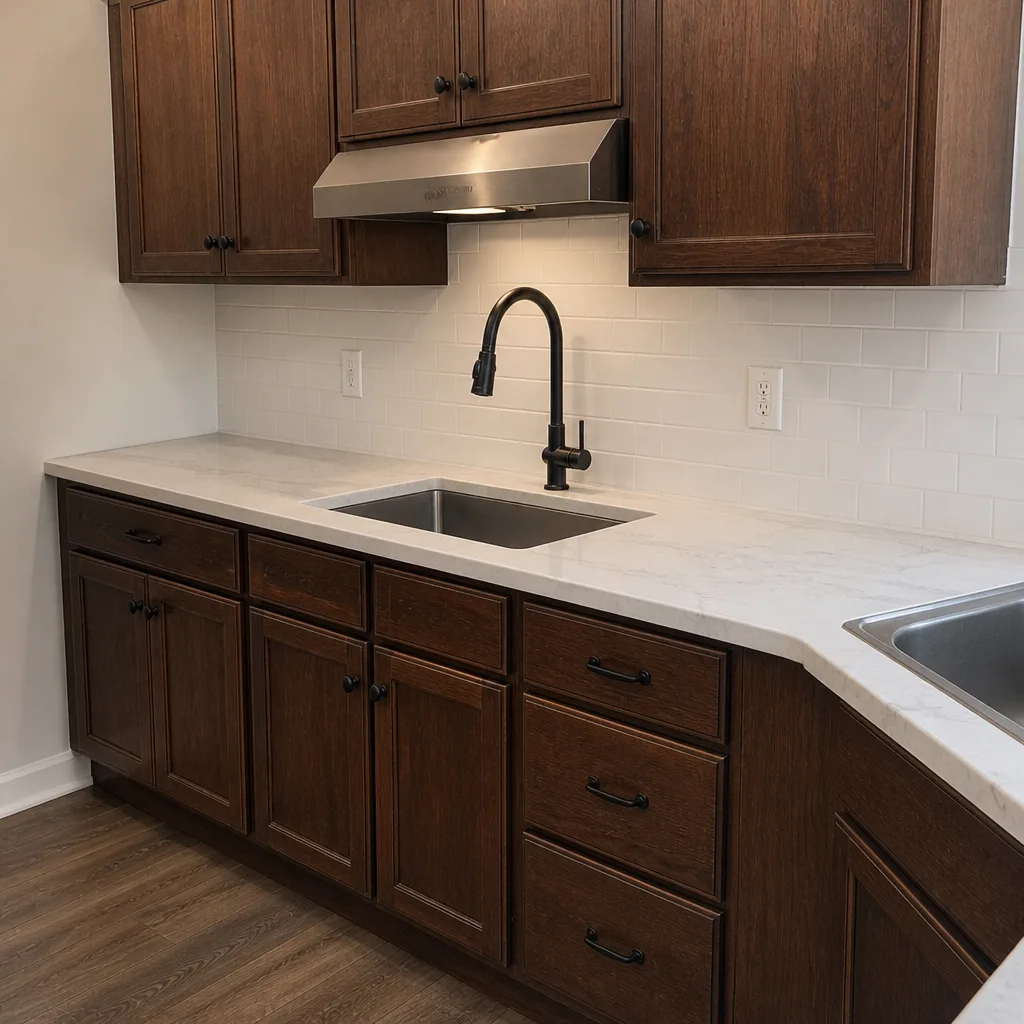
See the difference
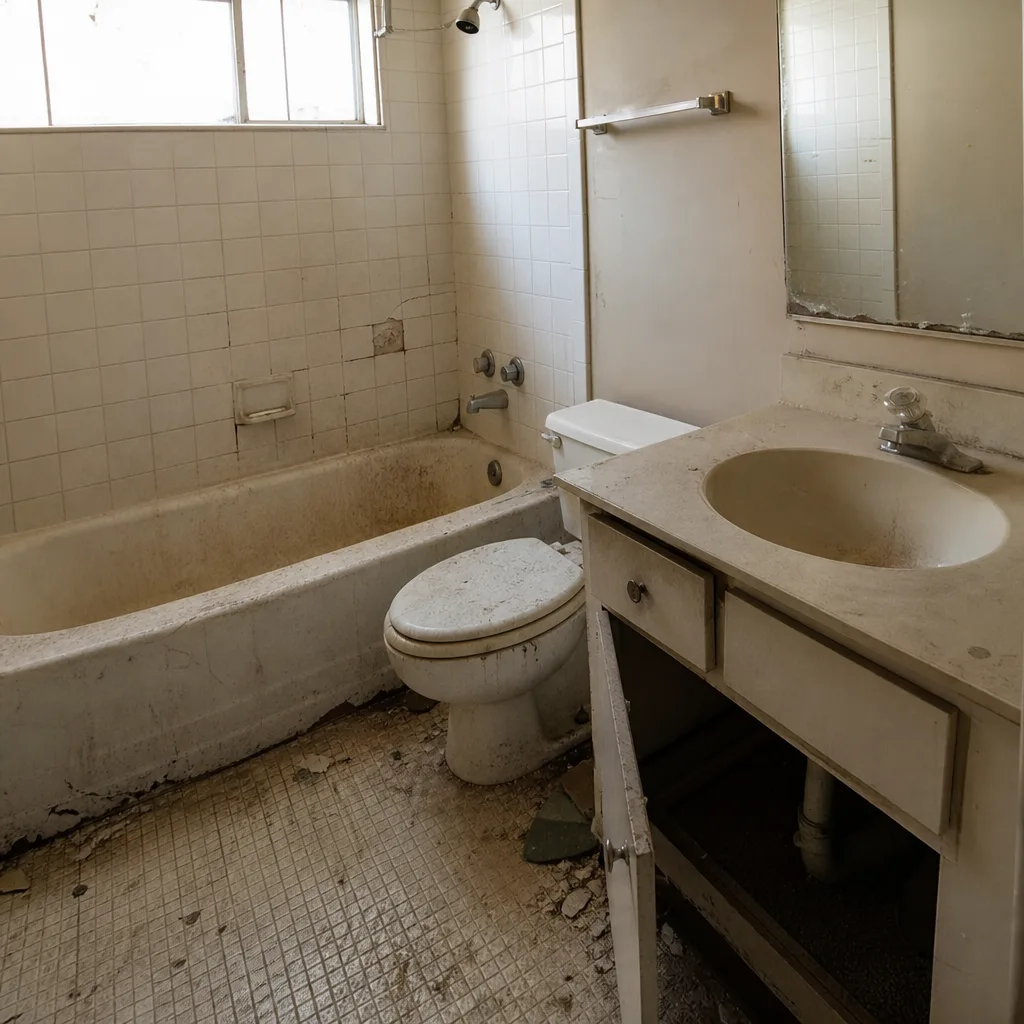 Before
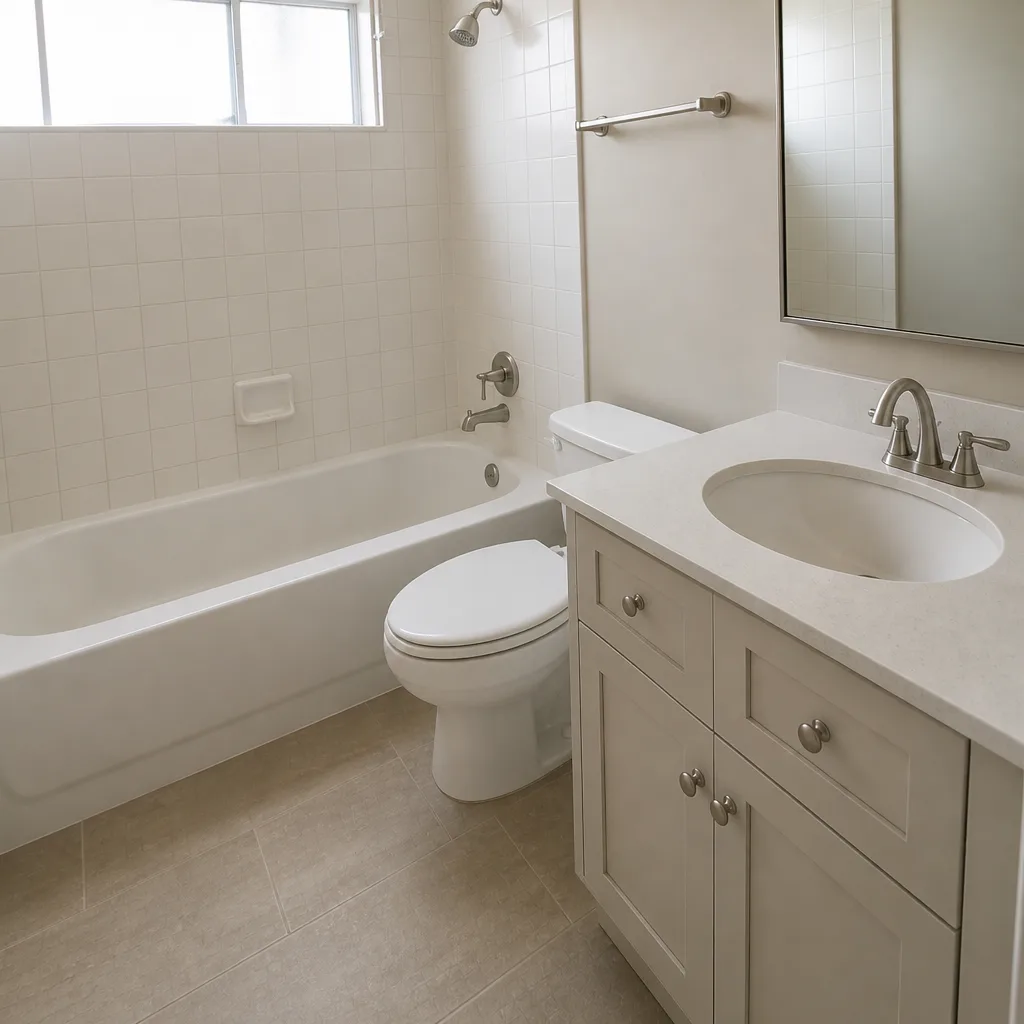 After
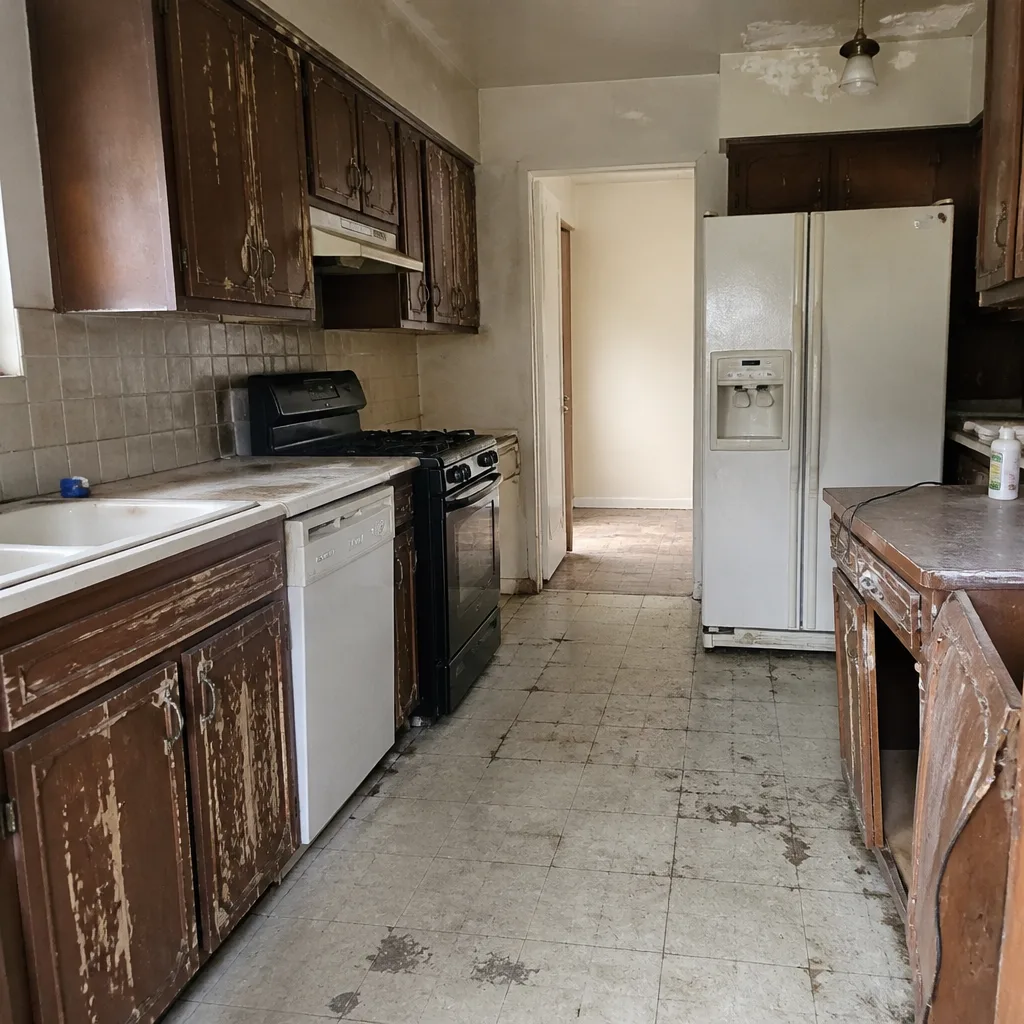 Before
 After
 Before
 After
Frequently Asked Questions

Shut off the water. Main shutoff first, or the fixture valve if the break is local. Then cut power to any wet area from a dry location, photograph everything, and call a plumber. Do not tear out wet drywall before an adjuster has seen it. Call (844) 320-5939 if you need a referral to a plumber or a repair contractor.
We handle the remodeling and structural repair work that follows an emergency: gutted bathrooms, kitchens with water damage, and structural repairs after storm or fire damage. We give a written price before any work starts, backed by our 365-Day Done Right Promise. Call (844) 320-5939 to talk through your situation.
Photograph wide, mid-range, and close-up with a scale reference. Measure and write down dimensions. Photograph the cause if you can see it. Keep a dated log of what you did and who you called. Do not clean up before photographing. Hand the photo set and log to your adjuster on day one, and give a copy to your contractor. Call (844) 320-5939 for a free estimate on the repair itself.
Not with us. Every Penhallow project gets a written price before any work starts. If we find more damage behind a wall, we issue a written change order for your approval before the price changes. The number on day one is the number on the invoice. Call (844) 320-5939 for a free written estimate.
Ask for a written price before work starts, a written guarantee, a certificate of insurance, and a defined arrival window. Ask who will be in your home and whether they’re background-checked. Ask whether they’ll pull the permit and whether the work will be inspected. Call (844) 320-5939 – we answer 24/7 with a live person, and we’ll walk through all of it.
It depends on scope and permit timing. A roof repair might be two days, a water-damaged bathroom three to four weeks, a full kitchen after a flood six to ten weeks. The Irving permit and inspection timeline is a real factor in every project. Call (844) 320-5939 for a free estimate that includes a specific timeline for your job.
The Bottom Line
Construction emergency preparedness for Irving homeowners comes down to three things: keep a folder, know the priority order, and ask the right questions before you hire anyone. The homes that recover fastest aren’t the ones that never have a problem. They’re the ones whose owners can hand an adjuster a folder, tell a contractor exactly what happened, and get a written price before anyone picks up a tool. Build the file this week. Save the utility numbers. Know where the water shutoff is. When the work is bigger than a spot repair, that’s where kitchen remodeling in Irving and full remodel work starts, and it’s where a written guarantee matters most. We’re here when you’re ready.
If you’re facing a repair or remodel after an emergency, call Penhallow Remodeling Irving at (844) 320-5939 for a free estimate. We answer 24/7 with a live person, give a written price before any work starts, and back every project with our 365-Day Done Right Promise.
Written by the team at Penhallow Remodeling Irving.