Last updated November 17, 2026




Free written scope consultation - allowances, timeline, and change-order rules on paper before a single trade is scheduled
Kitchen Remodeling Warning Signs Every Homeowner Should Know
A beautiful kitchen photo on a contractor’s website tells you nothing about whether they pull permits, honor change-order disputes, or show up on day three. The warning signs that actually predict a bad experience have nothing to do with aesthetics. In our experience across Irving and the surrounding mid-cities, the projects that go sideways announce themselves early: in a verbal price, a missing scope of work, a payment schedule that asks for too much too soon. This guide walks through the process red flags, the mid-project signals homeowners rationalize away, and the exact questions to ask before you sign anything.
Quick Answer
Kitchen remodeling warning signs cluster around process, not design. The five that predict real trouble are: a price given only verbally, no written scope of work before signing, a payment schedule front-loading more than 10 to 15 percent upfront, no mention of permits, and no written warranty with specific terms. If a contractor in Irving can’t put the price, the scope, the permit plan, and the guarantee in writing, that is your answer. The rest of this guide shows you how to read each one.
Styles & brands we work with
- Kitchen remodeling
- Bathroom remodeling
- Home additions & ADU
- Roofing
- Windows & doors
- Driveway & pavers
- Fence
Table of Contents
- The Five Process Red Flags That Predict a Bad Contractor
- The Lowball-Then-Inflate Pattern (and How a Written Scope Defeats It)
- Mid-Project Warning Signs Homeowners Rationalize Away
- Red Flags Inside Your Existing Kitchen
- The Exact Words to Use Before You Sign
- What’s Different About Remodeling in Irving
- Common Mistakes to Avoid
- Frequently Asked Questions
The Five Process Red Flags That Predict a Bad Contractor
Every contractor who ends up on the wrong side of a dispute shows at least one of these five process problems before the work begins. Treat any single one as a reason to slow down. Two together is a reason to walk away.
- Price given only verbally. A number spoken over the table or pushed through a text is not a bid. It’s a guess you can’t hold anyone to. A written price is a commitment the contractor has to defend.
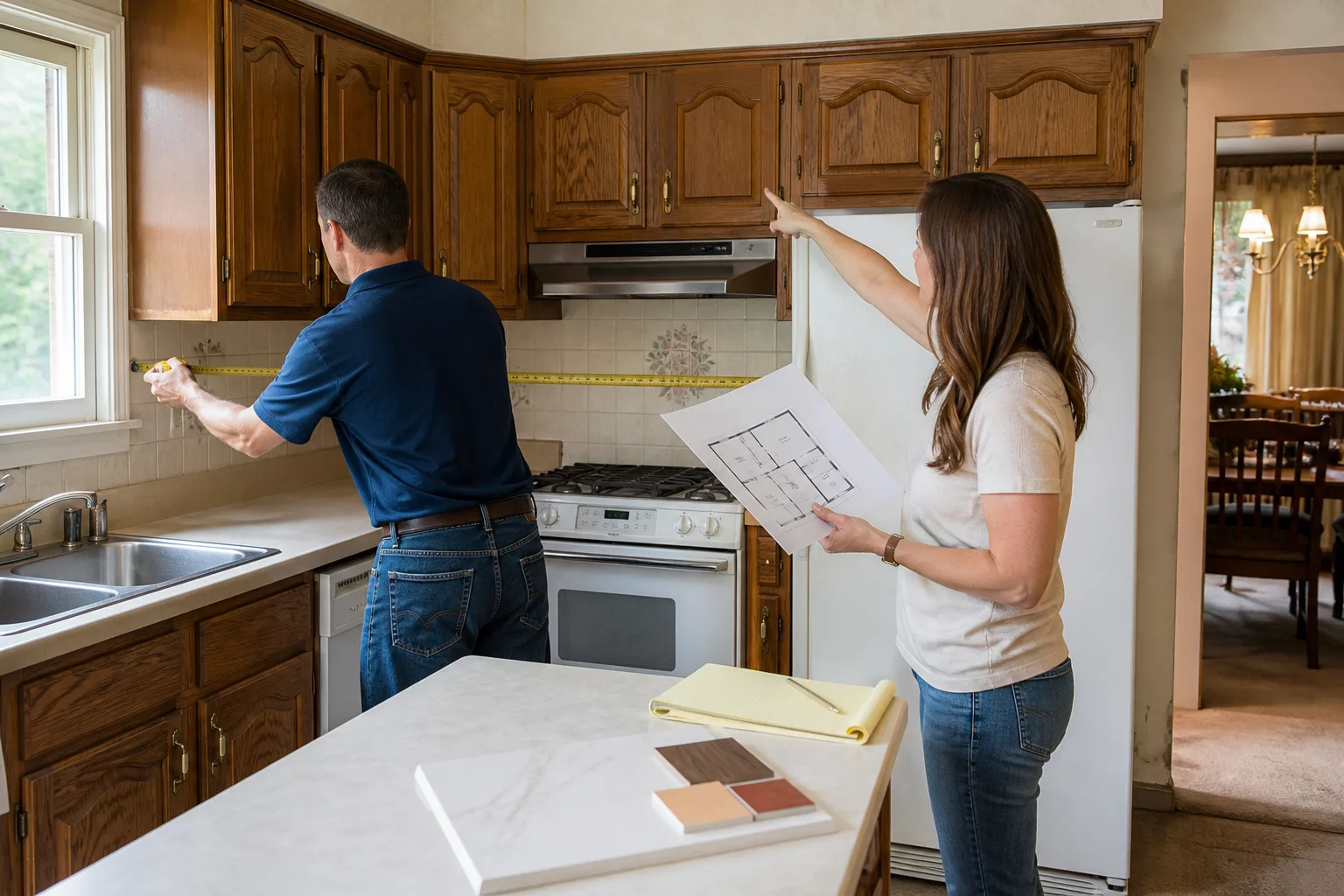
- No written scope of work before signing. The scope of work is the document that names every cabinet line, every countertop material, every fixture, every allowance, and every exclusion. Without it, “that wasn’t in the bid” becomes the catchphrase of your project.
- Payment schedule front-loaded beyond 10 to 15 percent upfront. Asking for 30, 40, or 50 percent before demo is a cash-flow solution for the contractor and a risk transfer to you. A fair schedule follows the work: a modest deposit, payments tied to completed phases, and a final draw held until punch list and inspection are done.
- No mention of permits. Cabinets, counters, and fixtures usually don’t need a permit. Moving a wall, adding an island outlet, relocating a gas line, or changing plumbing for a sink position absolutely does. A contractor who shrugs at permits is telling you which side of a failed inspection they’ll be on: yours.
- No written warranty with specific terms. “We stand behind our work” is not a warranty. A warranty has a length, a scope, a process for a claim, and a signature. Ours is called the 365-Day Done Right Promise, and it’s written into every project: if the work fails inside the guarantee period, we come back and fix it at no charge.
When we quote a kitchen in Irving, homeowners get a written number before any work starts. Not a range, not a verbal ballpark. That single commitment kills four of the five red flags above on day one.
The Lowball-Then-Inflate Pattern (and How a Written Scope Defeats It)
An unusually low bid is a warning sign, not a gift. The pattern is predictable: a contractor wins the job with a number that can’t possibly cover the work, then recovers the margin through change orders once the walls are open and you have no leverage. The defense is simple and boring. A written scope tied to a written price, signed before demo day.
Here’s what happens on the typical lowball project in Irving:
- The bid comes in $6,000 to $12,000 under the other two quotes. The homeowner takes it, relieved.
- Demo starts. “We found some rot under the sink.” “The electrical isn’t up to code, you’ll need to bring it up.” “The countertop template came back with a change, that’s extra.”
- Change orders pile up. By the end, the project costs more than the honest bids and takes twice as long.
- The homeowner is stuck because the contractor already holds most of the money, and the project is half finished.
The only defense is a written scope that spells out exactly what is included and, crucially, what is excluded, with a fixed price and a written change-order process that requires your signature before any extra work proceeds. In our experience, most disputes on kitchen projects in Irving come down to the scope document. Good scope, no surprises. Vague scope, every surprise is yours.
Kitchen remodels typically run $18,000 to $55,000 depending on layout, cabinet line, and countertop material. If a quote in Irving comes in far below that range for a full gut renovation, ask what’s been left out, then ask to see it in writing.
Mid-Project Warning Signs Homeowners Rationalize Away
Once work starts, warning signs change shape. They look like a scheduling hiccup or a missed text. They usually aren’t. Here are the three we hear homeowners describe after the fact:
- Unexplained crew absences beyond one day. One no-show happens. A second day with no communication, no text, no call, no explanation, is a signal about how the rest of the project will go. A contractor with a real schedule answers the phone. Ours is answered by a live person 24/7, not a voicemail maze.
- Subcontractors who arrive without knowing the scope. If the plumber or electrician shows up and asks where things go, no one told them. That means nobody wrote anything down. That means the design lives in someone’s head, and your finish details will reflect it.
- Materials that don’t match what was specified in writing. Same brand, wrong model. “Equivalent” cabinet line. Countertop slab that isn’t the one you looked at. If what shows up isn’t what you signed for, stop and read your scope. There is no upside to accepting substitutions quietly.
Homeowners in Irving deal with another mid-project reality: summer heat in the 100s pushes tiling and cabinet paint schedules around. That’s real. But a heat-related delay is communicated the same day, with a new date. Silence is not the weather.
The contractor’s behavior on day three predicts how they’ll behave on day thirty. Watch how they communicate when something goes wrong, not when everything is on track. That’s the whole signal.
Red Flags Inside Your Existing Kitchen
Some warning signs are already in your house, waiting for a remodel to expose them. A good remodeler points these out during the estimate. A weak one minimizes them and adds them to a change order later. Look for:
- Previous water damage under the sink. Dark staining on the cabinet floor, swollen particleboard, or a musty smell means water has been leaking, and probably slowly, for months or years. The cabinet base will need replacement. This is exactly the detail a written scope should name before work starts.
- Soft spots in the floor near the dishwasher. A soft floor tile or a bowed dishwasher panel usually means water has been getting under the flooring and eating the subfloor. Fixing it is routine. Fixing it as a surprise change order is where budgets and trust go sideways.
- Signs of unpermitted electrical work. Mismatched outlet types in the same kitchen, exposed wire at a junction box with no cover, outlets with no GFCI near the sink, or a wire that disappears into a wall with no junction. Each of these is a hazard. A licensed electrician should inspect and correct these before any new work is done. Do not open a kitchen electrical panel or probe a live junction box yourself.
- Gas line sightings that don’t look right. A flexible connector running through a cabinet, a valve that won’t turn, or the smell of gas at any point mean call the gas utility first, then a licensed plumber. Never try to diagnose gas yourself.
When we look at kitchens in Irving’s older neighborhoods, we see this pattern a lot in houses from the 1970s and 1980s where a previous owner added a dishwasher or disposal as a DIY weekend project. The wiring is usually the concern. We flag it during the estimate and address it in the written scope, not on day ten.
The Exact Words to Use Before You Sign
You don’t need to out-argue a contractor. You need to ask three questions and listen carefully to the answers. A good answer is specific and written. A deflection is a warning sign in itself.
- “Can I see your Irving contractor license number?” A professional answers with the number and where it’s registered. A deflection sounds like “we don’t need one for this” or “we work with a licensed partner.” A permit-pulling contractor in Irving is a registered contractor. If the project gets a permit, the contractor who pulls it is on record.
- “Will you provide a written guarantee I can review before we sign?” A good answer: yes, here it is, here’s the term, here’s what it covers, and here’s how you file a claim. A deflection: “we always make things right” or “we’ve never had a problem.” A guarantee has paper.
- “Can you show me the written scope of work, including allowances and exclusions?” A good answer: here it is, itemized, with allowances named in dollars. A deflection: “the price covers everything.” Nothing covers everything. Exclusions matter more than inclusions.
Two more worth asking: “Who will actually be in my house?” (you want to hear that technicians are background-checked and uniformed, not “a crew, you’ll meet them”). And “What happens if a material or fixture fails inside the first year?” (you want a guarantee, in writing, in the contract).
What’s Different About Remodeling in Irving
Kitchens in Irving come in waves: mid-century brick ranches near downtown, 1990s builds out toward Las Colinas, and newer construction south of Airport Freeway. Each carries its own risk profile for a remodel, and a contractor who’s actually worked here will recognize them.
- Older housing stock near the Irving Heritage District tends to have galvanized plumbing and undersized electrical service. A kitchen remodel in these homes almost always uncovers work that will need to be brought up to current code, and a written scope should name that inspection contingency before demo.
- Summer heat in Irving regularly sits over 100 degrees for stretches of July and August. Cabinet paint, hardwood acclimation, and adhesive-based tile setting need to be scheduled around it. A contractor who ignores this gets callbacks.
- Dallas County permitting for structural, plumbing, and electrical work in Irving is well documented. A contractor who has pulled permits in Irving knows the process. One who hasn’t tends to say permits “aren’t needed for a kitchen.”
- HOA design reviews in and around Las Colinas affect what you can and can’t do with an exterior wall change or a window addition. A good remodeler will flag it during the design phase, not after demo.
None of these are reasons not to remodel your Irving kitchen. They’re reasons the contractor you choose needs to know them before they sign. If you want a written price before a single cabinet is pulled, our kitchen remodeling in Irving page walks through what we cover and how the guarantee works.
Common Mistakes to Avoid
- Choosing on the lowest bid alone. We’ve seen this pattern play out in Irving more than once: the lowball number wins the job, the change orders cost more than the honest bids by the end. Compare written scopes, not headlines.
- Paying too much upfront. A deposit of 10 to 15 percent is standard. Anything above 30 percent before demo is money you can’t recover.
- Skipping the warranty review. Read the warranty before signing, not after the project fails. A warranty that names a length, a process, and a claim number is worth more than a slogan.
- Accepting verbal answers to important questions. If the answer matters, get it in the scope of work or in the contract. Verbal promises evaporate the moment the project is done.
- Ignoring pre-existing kitchen conditions during the estimate. Water stains, soft floors, and non-standard outlets are all things a good remodeler should catch before work starts. If they’re found after demo, ask why.
- Not asking who will be in your home. A remodeler who can’t tell you whether technicians are background-checked and uniformed is telling you something about their standard.
- Assuming permits aren’t needed. Structural changes, plumbing relocation, and electrical work in Irving need permits. Ask which phases of your project will be inspected.
See the difference
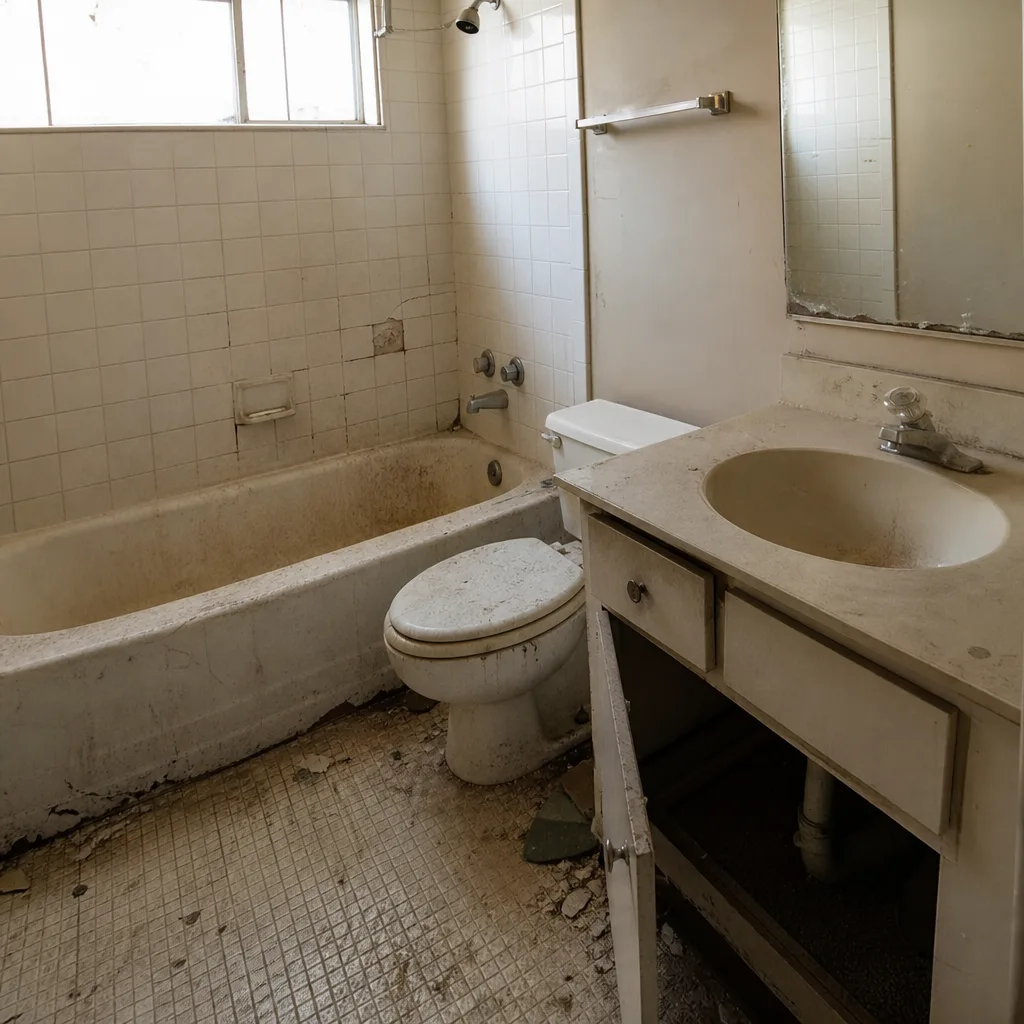 Before
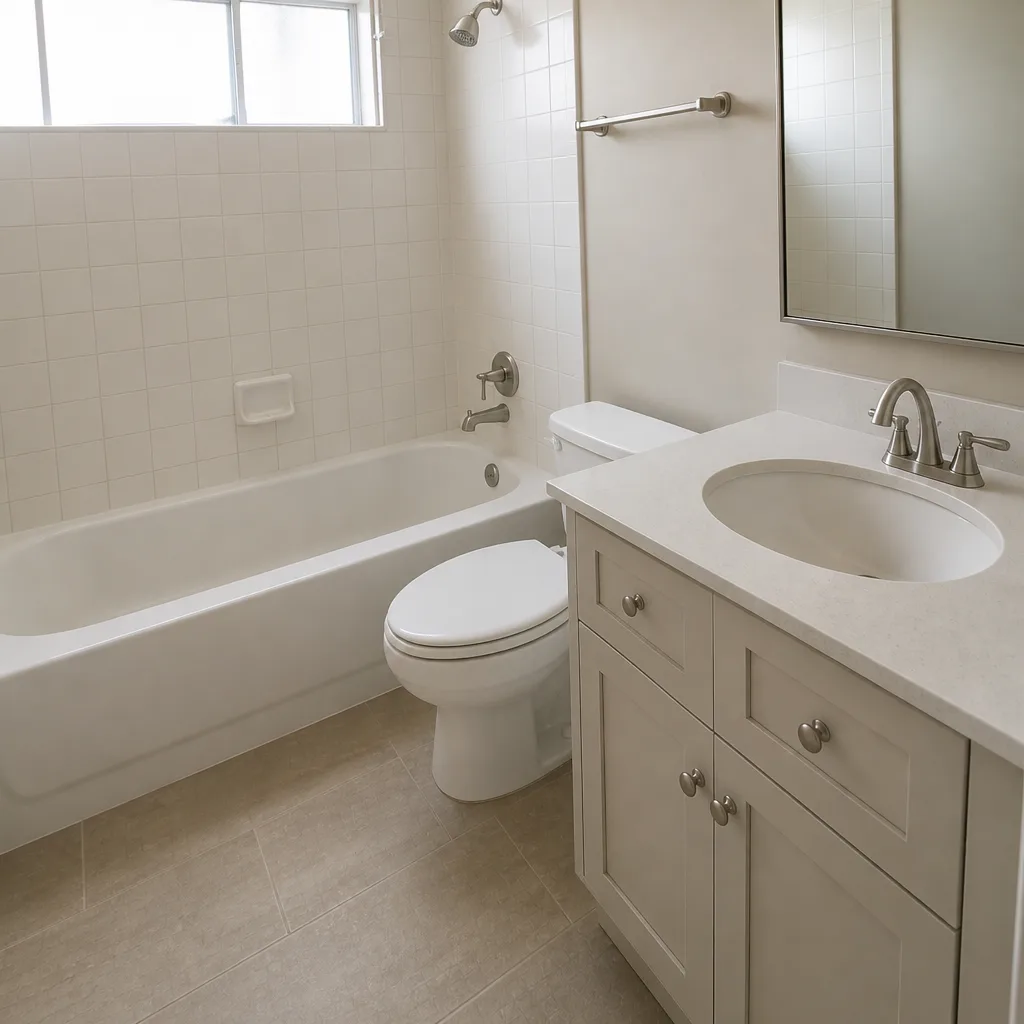 After
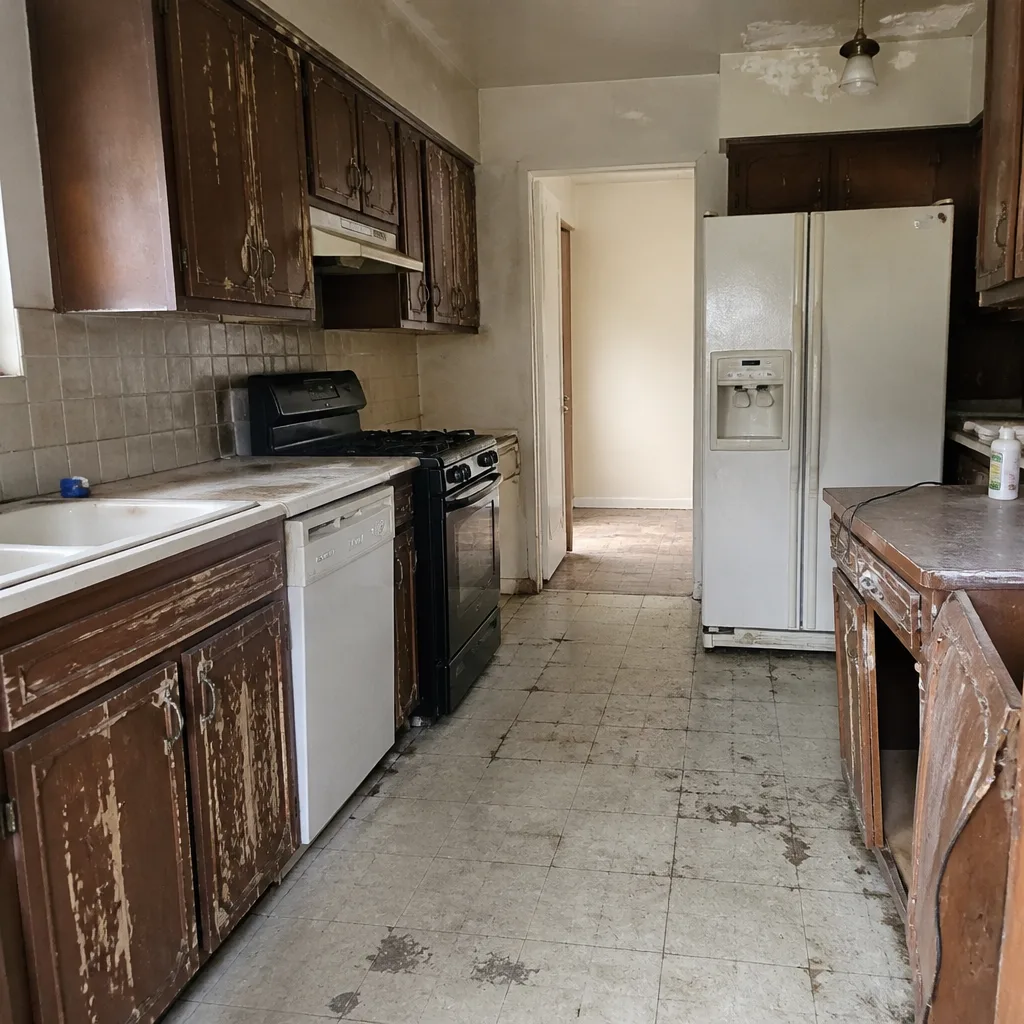 Before
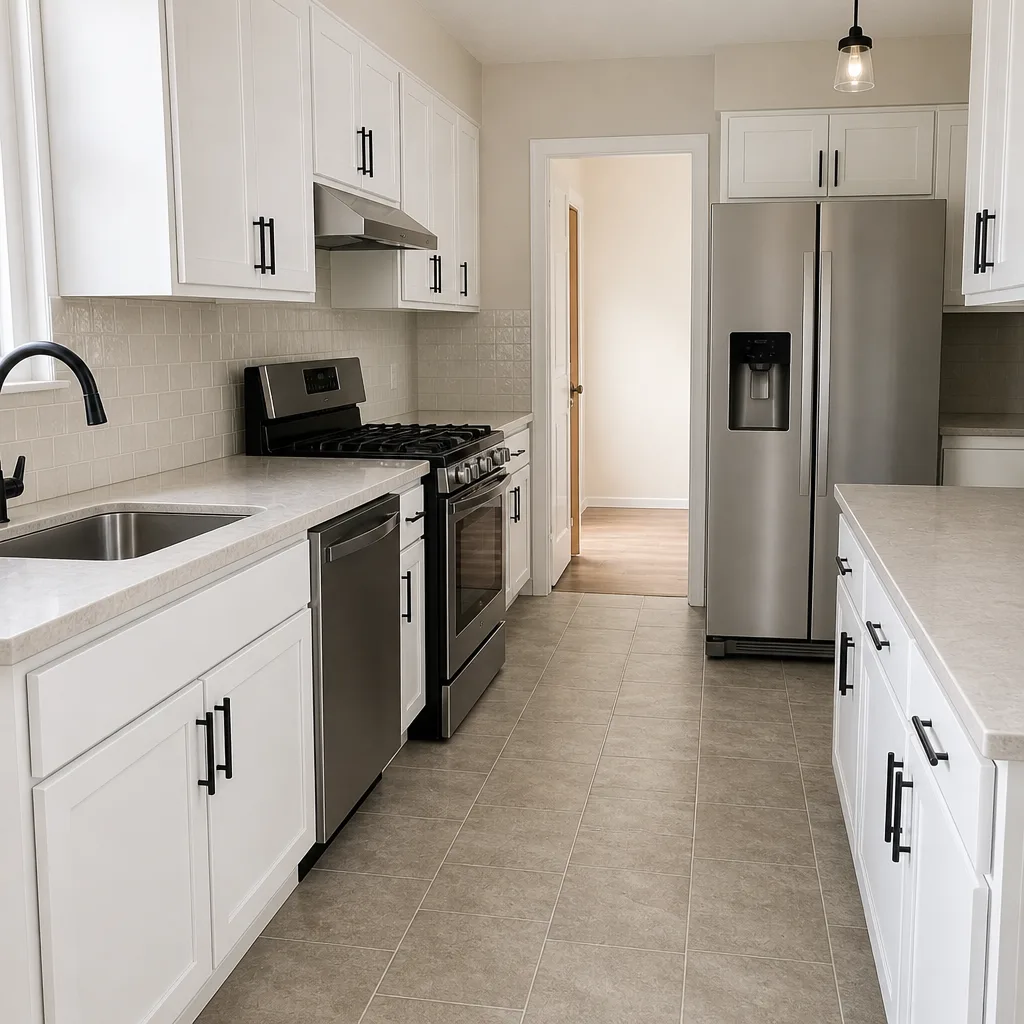 After
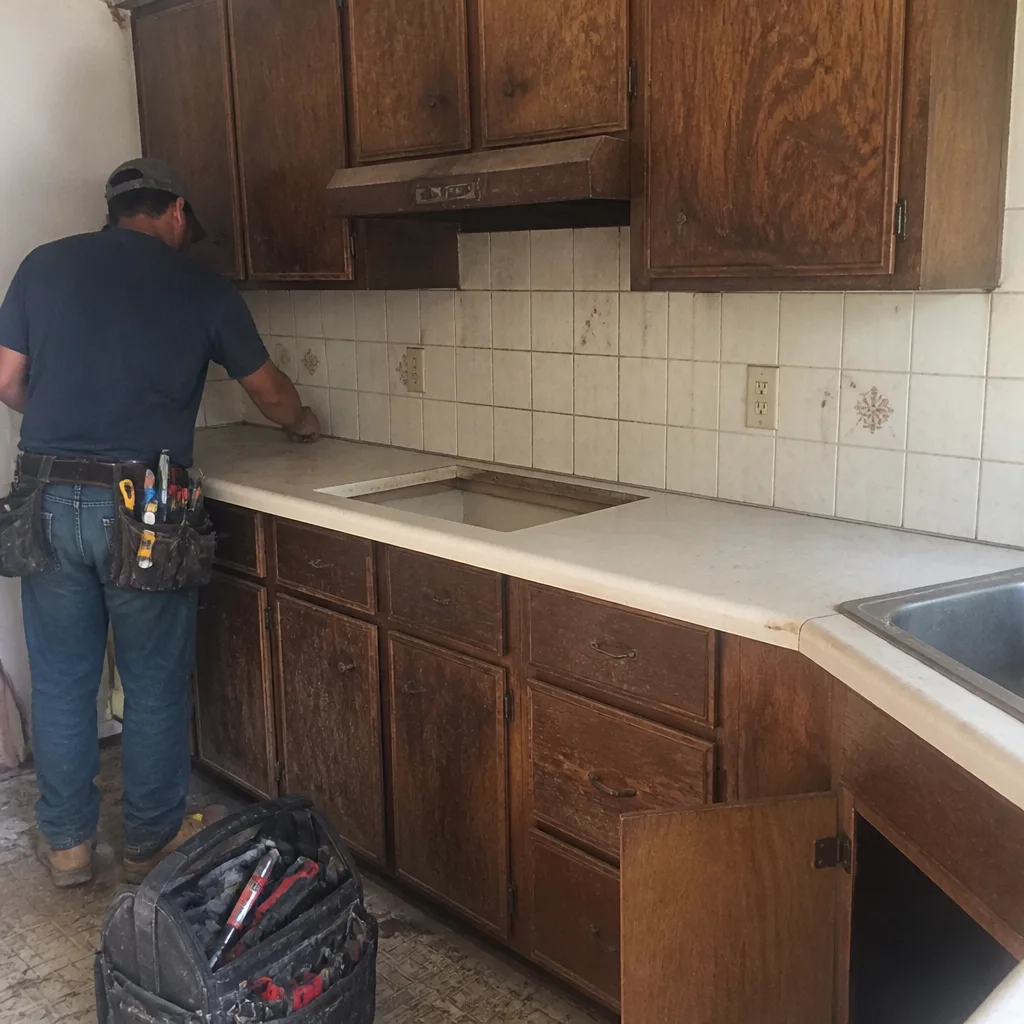 Before
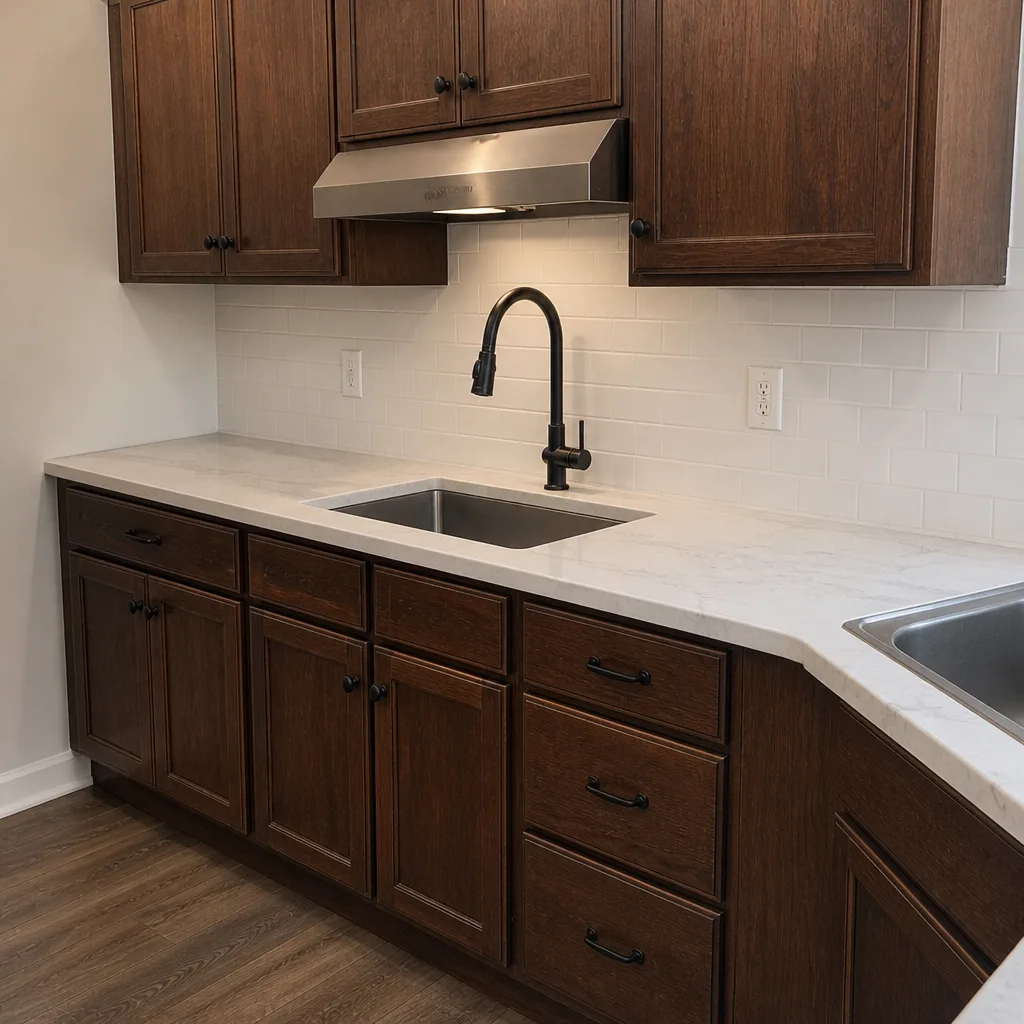 After
When to Call a Professional
Call a professional the moment any of these show up in your kitchen: unexplained water damage under the sink, a soft floor near the dishwasher, exposed wire at a junction box, a gas smell near any appliance, or a contractor who can’t produce a written scope, a permit plan, and a written guarantee before you sign. None of these get better on their own, and two of them (electrical and gas) are genuinely dangerous. Do not open a panel or try to diagnose gas lines yourself. Penhallow Remodeling Irving offers free estimates in Irving and writes every price before work starts, backed by the 365-Day Done Right Promise. Call (844) 320-5939 to schedule yours. If you’ve got a bigger scope in mind, our general contractor in Irving page covers whole-home work, and our bathroom remodeling in Irving page covers kitchens’ most common neighbor.
Frequently Asked Questions
Look for the five process red flags: verbal-only pricing, no written scope of work, a payment schedule front-loading more than 10 to 15 percent upfront, no mention of permits, and no written warranty with specific terms. Any single one is a reason to slow down. If a contractor can’t put all five in writing, walk away. Call (844) 320-5939 for an exact quote on your project, and we’ll show you all five in writing before you sign anything.
No, if the scope is written correctly. The number on day one is the number on the invoice because every inclusion, allowance, and exclusion is named in the scope before demo. What does change is what isn’t in the scope: rot discovered under the sink, unpermitted wiring found inside a wall, a fixture the homeowner adds mid-project. Those become written change orders you sign before the work proceeds. Call (844) 320-5939 for a written price before anything starts.
Yes. Any structural change, plumbing relocation, or electrical work on a kitchen in Irving requires a permit, and we pull them as part of the project. The permit process also gives you a third-party inspection as a backstop: if a rough-in isn’t right, the city catches it before drywall goes up. Anything a contractor says about permits being unnecessary for a kitchen like yours is a warning sign. Call (844) 320-5939 to talk through permit requirements for your specific project.
Most full kitchen remodels take six to ten weeks of active construction once the design and materials are locked, plus four to eight weeks before that for design, selections, and long-lead orders like cabinetry. Cabinet lead times often drive the schedule, which is why the scope should name your exact cabinet line (KraftMaid and Wellborn are two we install) before you sign. Heat in an Irving summer can add a few days if the schedule has to flex. Call (844) 320-5939 for a realistic timeline based on your layout and material selections.
10 to 15 percent is standard, tied to mobilization and long-lead material orders. Anything above 30 percent upfront is a warning sign, and a deposit requested before a written scope is signed is a hard stop. The rest of the payment should follow the work: a draw at rough-in, a draw at cabinet install, a final draw after punch list and inspection. Call (844) 320-5939 and we’ll walk through the schedule line by line.
Every project is covered by the 365-Day Done Right Promise: if work we performed fails inside the guarantee period, we come back and fix it at no charge. The guarantee is in writing on every project, alongside the written price before any work starts. Products carry their own warranties too: Cambria quartz and Kohler fixtures each come with their own manufacturer coverage that stacks with ours. Call (844) 320-5939 for a copy of the guarantee before you sign with anyone, ours or otherwise.
The Bottom Line

Kitchen remodeling fraud and shoddy work follow a pattern, and the pattern is readable before you sign. Written price, written scope, modest deposit, permits named, warranty on paper: the five process commitments that separate the contractors who finish projects from the ones who finish projects badly. Watch how your contractor communicates on day three, not how their portfolio looks on the website. If any of the five red flags show up, or if the answers to “can I see your license” and “will you give me a written guarantee” are deflections rather than documents, you have your answer. Call (844) 320-5939 for a free estimate in Irving, and we’ll put the number in writing before a single cabinet is pulled.
For a fuller look at our services, see our Penhallow Remodeling Irving home page. Homeowners planning a bigger project often start with general contractor services in Irving, and if the kitchen touches the bathroom, bathroom remodeling in Irving is the natural next read.
Written by the team at Penhallow Remodeling Irving.